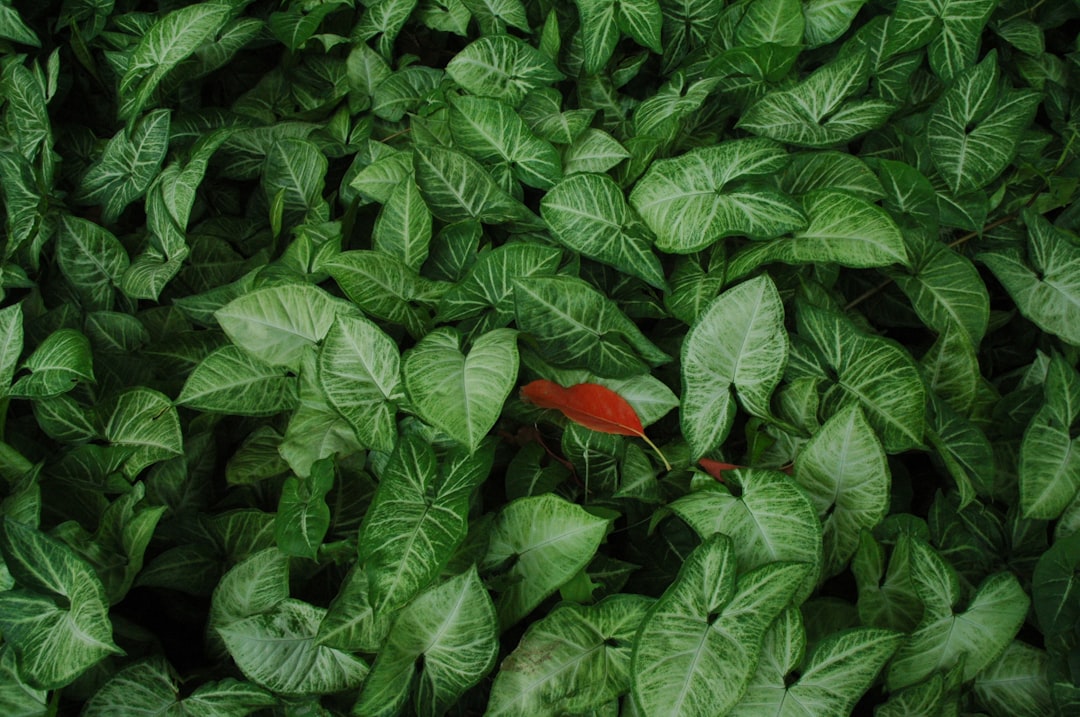
syngonium plant leaves

Variegated Syngonium Turning Green? Causes & What to Do

If your variegated Syngonium is losing color, do not diagnose reversion from one green leaf. Look at the newest leaves together with the stem and active growth point. Quick answer: several solid-green leaves plus an increasingly green stem are stronger signs of reversion. Better light can support healthy growth, but it cannot recreate variegated tissue in a growth point that has become fully green. If a lower node still crosses variegated stem tissue, pruning back to that node may give the next growth point a better chance of producing variegation. ...
August 19, 2026 · 6 min · 1168 words · The Rare Plant Guide
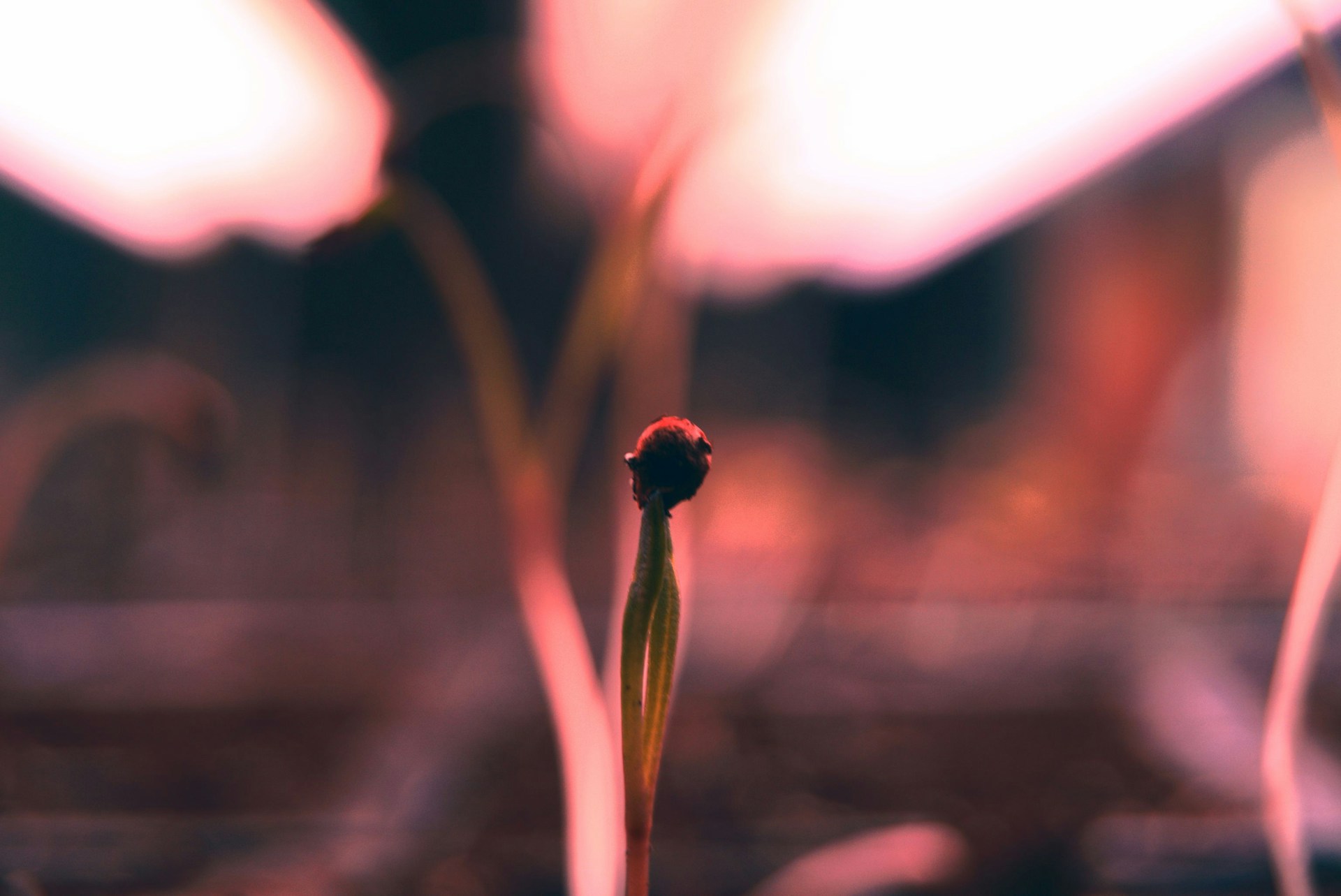
Grow light positioned above rare and variegated houseplants

Best Grow Lights for Rare Houseplants: Distance, Timing & Setup

The best grow light for rare houseplants is not necessarily the most powerful one. It is the fixture that gives your plants consistent, usable light across the whole canopy without overheating or bleaching the leaves. For variegated Monstera, Philodendron, Anthurium and other collectible aroids, prioritize full-spectrum output, useful coverage, adjustable placement and a timer over decorative features. Quick answer: choose a full-spectrum LED sized for the shelf or growing area, follow the manufacturer’s recommended distance, start with a conservative schedule, and increase exposure gradually while watching new growth. ...

July 31, 2026 · 5 min · 911 words · The Rare Plant Guide
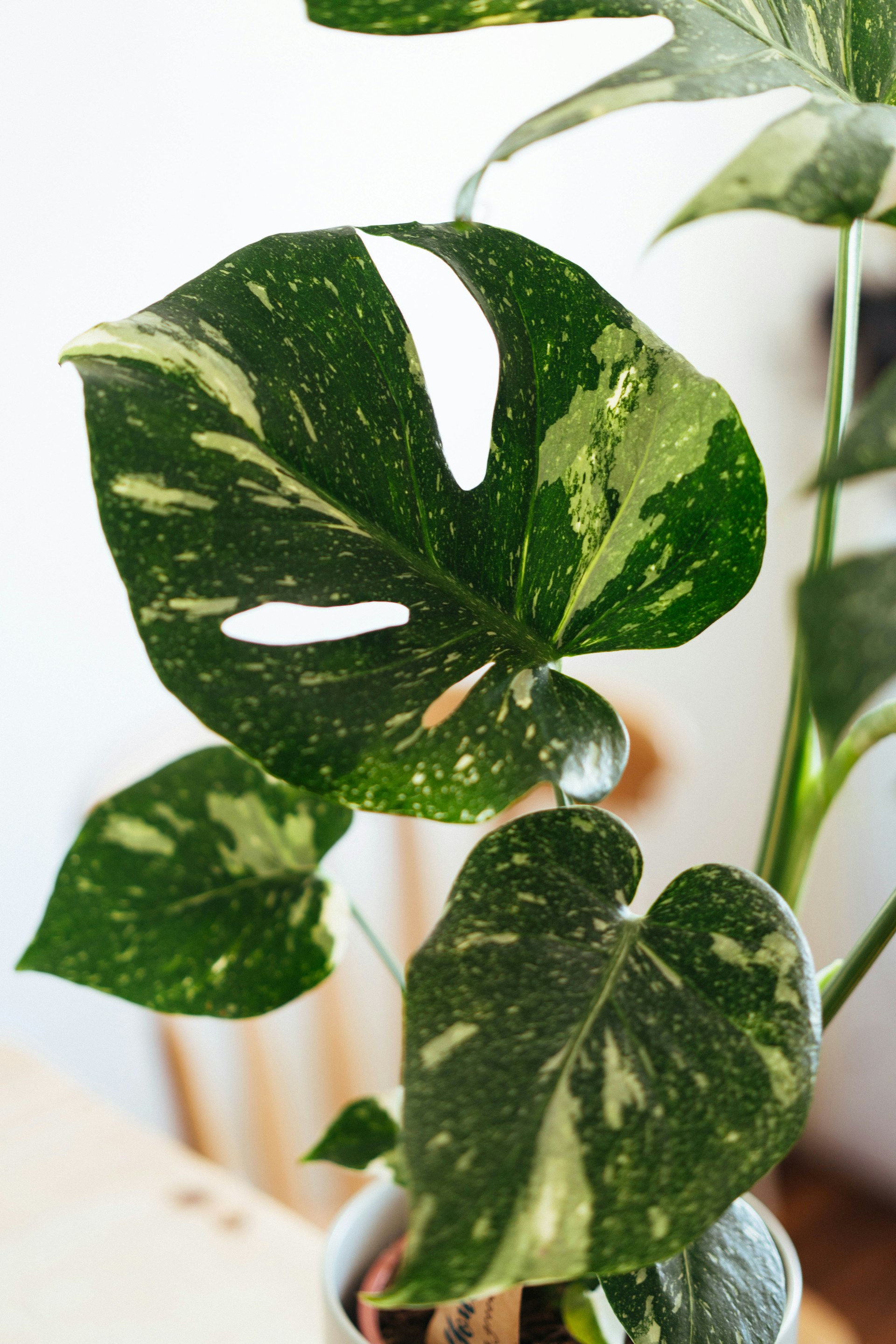
Variegated Monstera leaf

Rare Houseplant Care: The Complete Guide

Rare and variegated houseplants have exploded in popularity over the last few years, with collectors paying anywhere from $50 to several thousand dollars for a single specimen. But rarity comes with a catch: many of these plants are less forgiving than common houseplants, and one small care mistake can set them back for months. Quick answer: rare and variegated plants usually need brighter indirect light, more careful watering, higher humidity, and chunkier soil than common houseplants. The reason is simple: variegated leaves have less chlorophyll, so the plant has less energy to work with and recovers more slowly from stress. ...

July 31, 2026 · 4 min · 787 words · The Rare Plant Guide