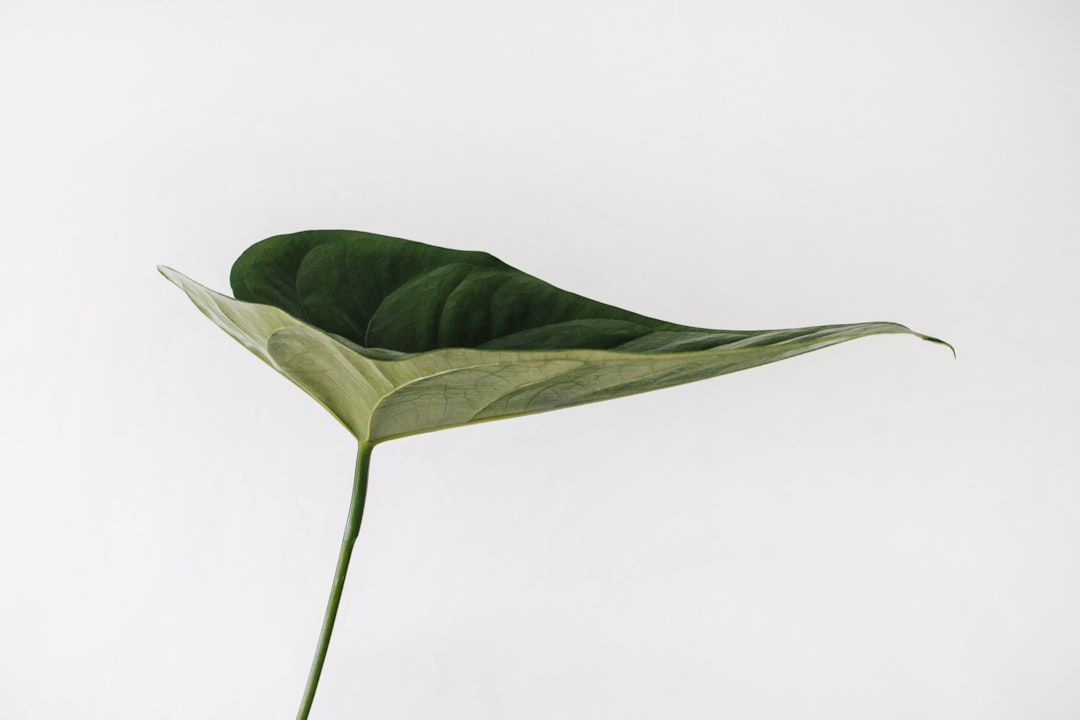
Monstera node and axillary bud comparison

Where to Cut a Reverting Variegated Monstera

If you have already confirmed Monstera reversion, the next question is not “which green leaf should I remove?” It is which lower growth point should become the new leader. Quick answer: trace the vine backward from the newest solid-green growth. Look for a lower node where visible cream or white variegation still crosses the stem near the axillary bud. If that node is healthy, make the corrective cut above it, leaving the chosen node and bud on the mother plant. ...
September 1, 2026 · 7 min · 1444 words · The Rare Plant Guide
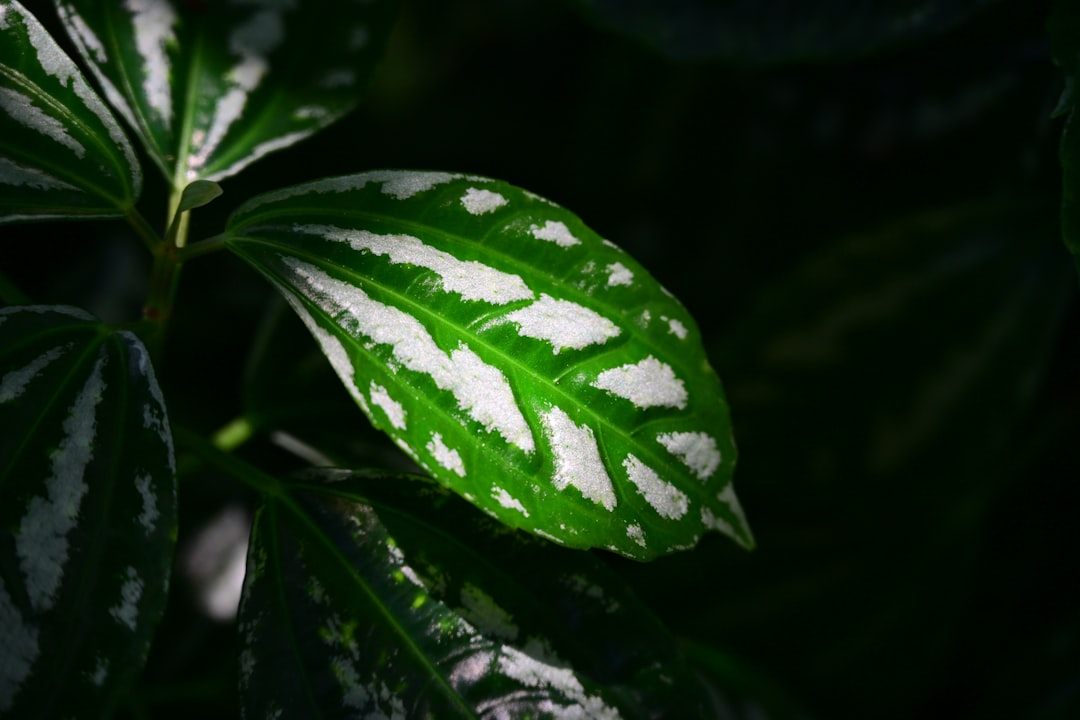
Houseplant leaf being inspected for pests

Treating Thrips and Mites on Variegated Plants Safely

Protecting rare, variegated houseplants from pests requires a delicate balance of swift eradication and tissue preservation. Variegated foliage—which contains white, cream, or yellow sectors—lacks the protective chlorophyll and robust cell structure found in solid green leaves. Consequently, standard, aggressive chemical treatments frequently cause irreversible cosmetic damage, chemical burns, or rapid browning of those highly prized variegated patches. The most effective solution lies in a conservative, multi-phase approach: physically removing the pests, applying mild, non-oil-based treatments during low-light hours, or utilizing biological controls that leave the delicate foliage completely unharmed. ...

August 31, 2026 · 7 min · 1344 words · The Rare Plant Guide
Sphagnum moss used for rare plant propagation

Best Moss Pole for Monstera: Sphagnum vs Coir vs Plastic

If you are trying to choose the best moss pole for a Monstera, do not start with price or appearance. Start with what you want the support to do. Quick answer: choose sphagnum or a refillable modular pole if you want aerial roots to grow into a moist support and you are willing to maintain it. Choose coir if you mainly want simple, lower-maintenance support. Choose a wooden plank or rigid stake if stability matters more than moisture. For a fast-growing Monstera, an extendable system is usually easier to live with than a fixed-height decorative pole. ...

August 28, 2026 · 7 min · 1303 words · The Rare Plant Guide
Variegated houseplant foliage pattern

Best Pots for Variegated Monstera: Size, Material & Drainage

The best pot for a variegated Monstera is not the prettiest or largest container. It is the pot that matches the root system, drains reliably and keeps the growing vine stable. Quick answer: choose a pot with drainage holes, move up only modestly in size, and match the material to how quickly your substrate dries. Plastic retains moisture longer; terracotta dries faster; clear nursery pots make root inspection easier. Best Pot Type by Situation Pot type Best for Main advantage Main drawback Plastic nursery pot Most indoor setups Light, inexpensive, moisture-retentive Can stay wet longer in cool/dim rooms Clear plastic pot Root monitoring Easy to inspect roots and moisture Usually needs a cache pot for appearance/stability Terracotta Slow-drying conditions Porous walls speed drying Can dry too fast in hot/dry rooms Heavy ceramic cache pot Top-heavy plants Adds stability Must not trap standing water around inner pot Self-watering pot Experienced, controlled setups Consistent reservoir-based moisture Poor setup can keep roots wetter than intended 1. Plastic Nursery Pots A basic plastic nursery pot is often one of the most practical choices for Monstera. It is easy to lift, easy to drill for extra drainage and simple to place inside a decorative cache pot. ...

August 28, 2026 · 5 min · 990 words · The Rare Plant Guide
Monstera node and axillary bud comparison

Best Propagation Supplies for Variegated Monstera

You can propagate a variegated Monstera with very little equipment. The best propagation supplies are the ones that make the node easy to inspect, keep moisture stable and reduce the chance of rot. Quick answer: start with a clean cutting tool, a clear rooting container, your chosen medium and a stable warm location with bright indirect light. Add humidity boxes, heat mats or specialty propagation stations only when they solve a specific problem. ...

August 28, 2026 · 5 min · 1017 words · The Rare Plant Guide
Chunky aroid soil mix for rare houseplants

How Often to Water Variegated Monstera: Signs, Not a Schedule

If you are asking how often to water a variegated Monstera, the safest answer is not “every seven days.” Watering frequency changes with the pot, soil mix, light, temperature, root mass and season. Quick answer: water when the upper part of the mix has dried and the pot feels clearly lighter, then water thoroughly until excess drains. In a bright, warm room this may happen much faster than in a cool, low-light room. ...

August 28, 2026 · 7 min · 1390 words · The Rare Plant Guide
Monstera node and axillary bud comparison

Monstera Node vs Axillary Bud: How to Tell the Difference

Understanding the difference between a Monstera node and an axillary bud makes propagation and reversion pruning much easier. They are related, but they are not the same thing. Quick answer: the node is the section of stem where a leaf and other structures attach. The axillary bud is the small growth point associated with that node that can activate and produce a new vine. For a variegated Monstera cutting, you want a healthy node with a viable bud and, ideally, visible variegation running through the stem near that growth point. ...

August 28, 2026 · 8 min · 1530 words · The Rare Plant Guide
Chunky aroid soil mix for rare houseplants

When to Repot Variegated Monstera: Signs, Pot Size & Aftercare

Knowing when to repot a variegated Monstera is more important than repotting on a fixed schedule. A plant that is growing well in an airy mix does not benefit from having its roots disturbed simply because a year has passed. Quick answer: repot when the roots have clearly outgrown the container, the substrate has broken down and drainage has slowed, the pot is mostly roots and dries extremely fast, or you need access to damaged roots. Move up only modestly in pot size and use a chunky, well-aerated mix. ...

August 28, 2026 · 7 min · 1449 words · The Rare Plant Guide
Variegated Monstera leaf showing green and white variegation

Variegated Monstera Turning Green? Can You Still Save It?

If your variegated Monstera is turning green, do not judge the plant from one leaf alone. The most useful evidence is on the stem, node and active growth point. Quick answer: one greener leaf can be normal variation. Several solid-green leaves combined with an all-green section of stem are much stronger signs of Monstera reversion. If the newest growth point is fully green, the usual corrective option is to prune back to a node that still crosses visible variegated stem tissue. ...

August 4, 2026 · 7 min · 1417 words · The Rare Plant Guide
Chunky bark and perlite soil mix for variegated Monstera

Best Soil Mix for Variegated Monstera (Exact 40/30/20/10 Recipe)

If you are searching for the best soil mix for a variegated Monstera, the goal is not a special branded soil. The goal is a mix that gives thick Monstera roots both air and moisture without staying waterlogged. Quick answer: start with roughly 40% orchid bark, 30% perlite or pumice, 20% sphagnum moss or coco coir, and 10% potting mix or worm castings. Treat those percentages as a starting point and adjust for your pot, humidity, light and watering habits. ...

July 31, 2026 · 7 min · 1306 words · The Rare Plant Guide