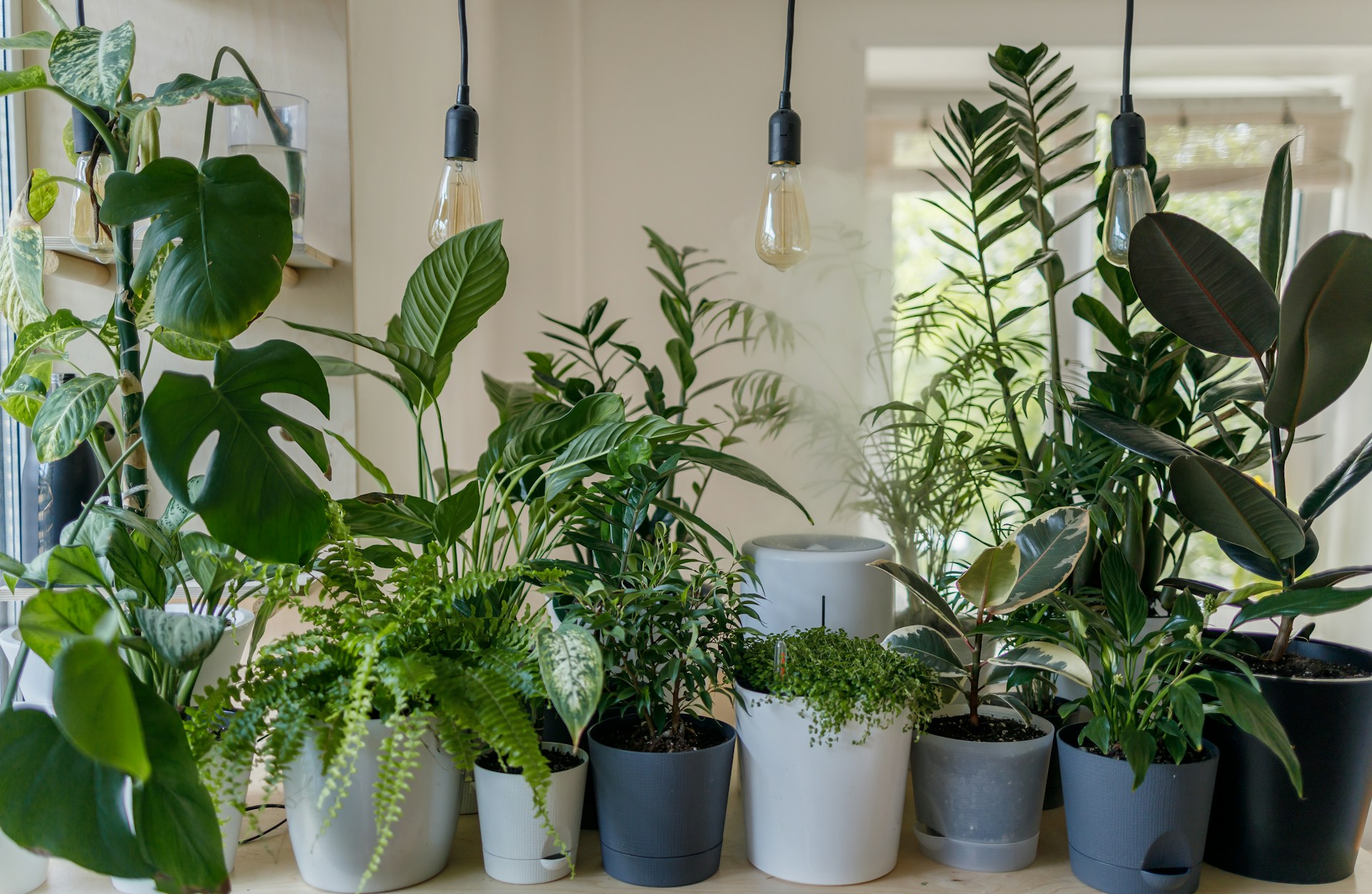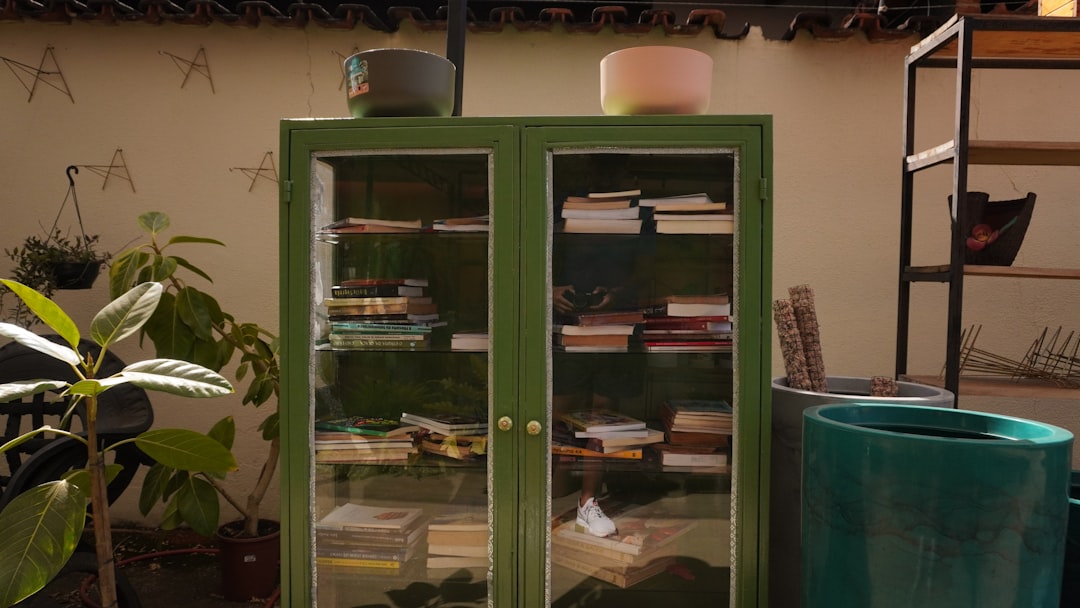
indoor plant greenhouse cabinet
```

Humidity Tents vs Greenhouse Cabinets for Rare Plants

Deciding how to maintain optimal rare plant humidity is a pivotal moment for any indoor gardener. To choose the right setup immediately, consider the scale and purpose of your collection: a humidity tent offers an affordable, portable, and temporary environment perfect for acclimating new imports or propagating cuttings, while a dedicated grow cabinet provides a permanent, visually striking, and highly customizable microclimate designed for long-term growth. Both systems have unique advantages and operational demands. By understanding the functional differences between these two popular options, growers can protect their investments and cultivate thriving tropical specimens. ...
August 17, 2026 · 7 min · 1349 words · The Rare Plant Guide
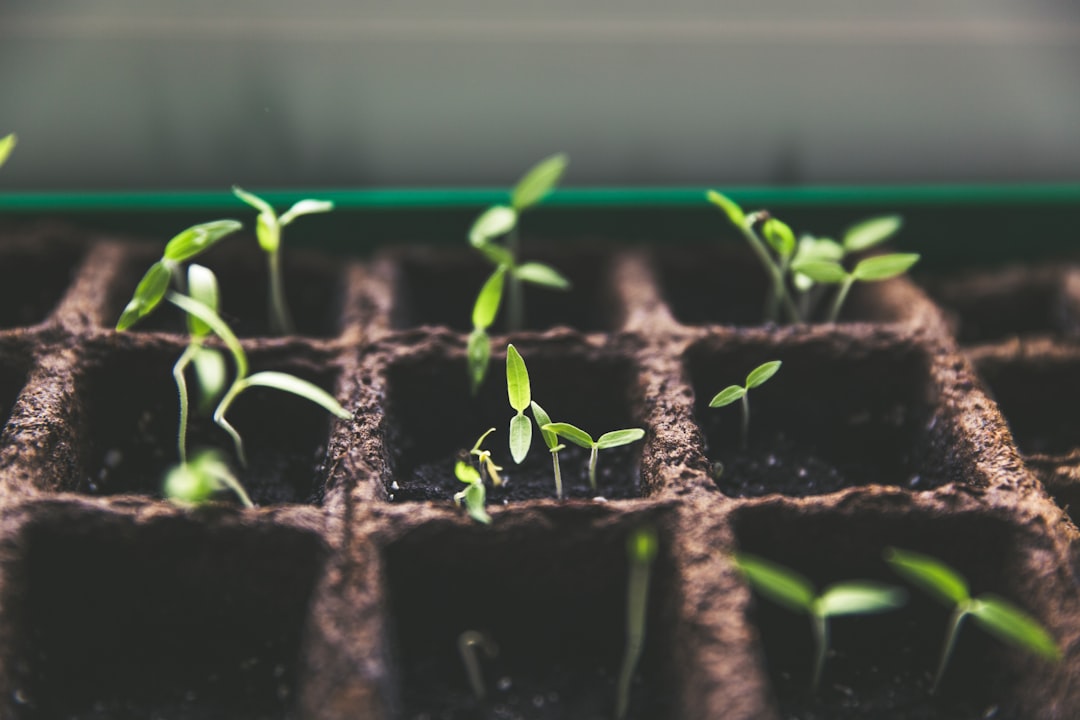
small plant seedling pot
```

Is It Worth Buying Tissue-Cultured Rare Plants? An Honest Guide for Hobbyists

Tissue-culture plantlets have made many rare Monsteras, Philodendrons, and Alocasias available at lower entry prices. They are also much smaller and less forgiving during the transition from a sealed laboratory container to normal household conditions. The best value depends on more than the purchase price. Equipment, time, seller quality, acclimation risk, and the wait for a mature plant all belong in the comparison. Why Acclimation Is the Real Cost A tissue-culture plantlet is not simply a miniature established plant. Its first weeks outside the vessel require stable warmth, gentle light, high but gradually declining humidity, and a medium that is moist without being waterlogged. ...

August 13, 2026 · 4 min · 814 words · The Rare Plant Guide
sphagnum moss plant propagation
```

Sphagnum Moss for Rare Plant Propagation: Pros, Rot Risks & Transfer

Long-fiber sphagnum moss can work very well for Monstera, Philodendron and other rare-plant cuttings, but only when the node gets moisture and oxygen at the same time. Quick answer: use sphagnum loose and evenly damp—not dripping wet or tightly packed. Saturated, airless moss is the main rot risk. Transfer a cutting after it has several healthy roots, preferably with some secondary branching, and keep the new potting mix consistently but not excessively moist during acclimation. ...

August 6, 2026 · 4 min · 844 words · The Rare Plant Guide
Indoor light requirements for Monstera, Philodendron and other rare aroids
```

How Much Light Do Rare Aroids Need? 100–800 FC Chart

How much light does a rare aroid actually need? The phrase “bright, indirect light” is useful as a warning against harsh sun, but it is too vague to tell you where to place a Monstera, Philodendron, Anthurium or Alocasia. Quick answer: start with moderate, diffused light, observe the newest growth, and increase exposure gradually. Many established aroids perform well around 250-500 foot-candles (FC), while some acclimated variegated plants can use brighter diffused conditions. Treat any numerical range as a starting point rather than a universal rule. ...

August 4, 2026 · 6 min · 1156 words · The Rare Plant Guide
Grow light positioned above rare and variegated houseplants
```

Best Grow Lights for Rare Houseplants: Distance, Timing & Setup

The best grow light for rare houseplants is not necessarily the most powerful one. It is the fixture that gives your plants consistent, usable light across the whole canopy without overheating or bleaching the leaves. For variegated Monstera, Philodendron, Anthurium and other collectible aroids, prioritize full-spectrum output, useful coverage, adjustable placement and a timer over decorative features. Quick answer: choose a full-spectrum LED sized for the shelf or growing area, follow the manufacturer’s recommended distance, start with a conservative schedule, and increase exposure gradually while watching new growth. ...

July 31, 2026 · 5 min · 911 words · The Rare Plant Guide
Chunky bark and perlite soil mix for variegated Monstera
```

Best Soil Mix for Variegated Monstera (Exact 40/30/20/10 Recipe)

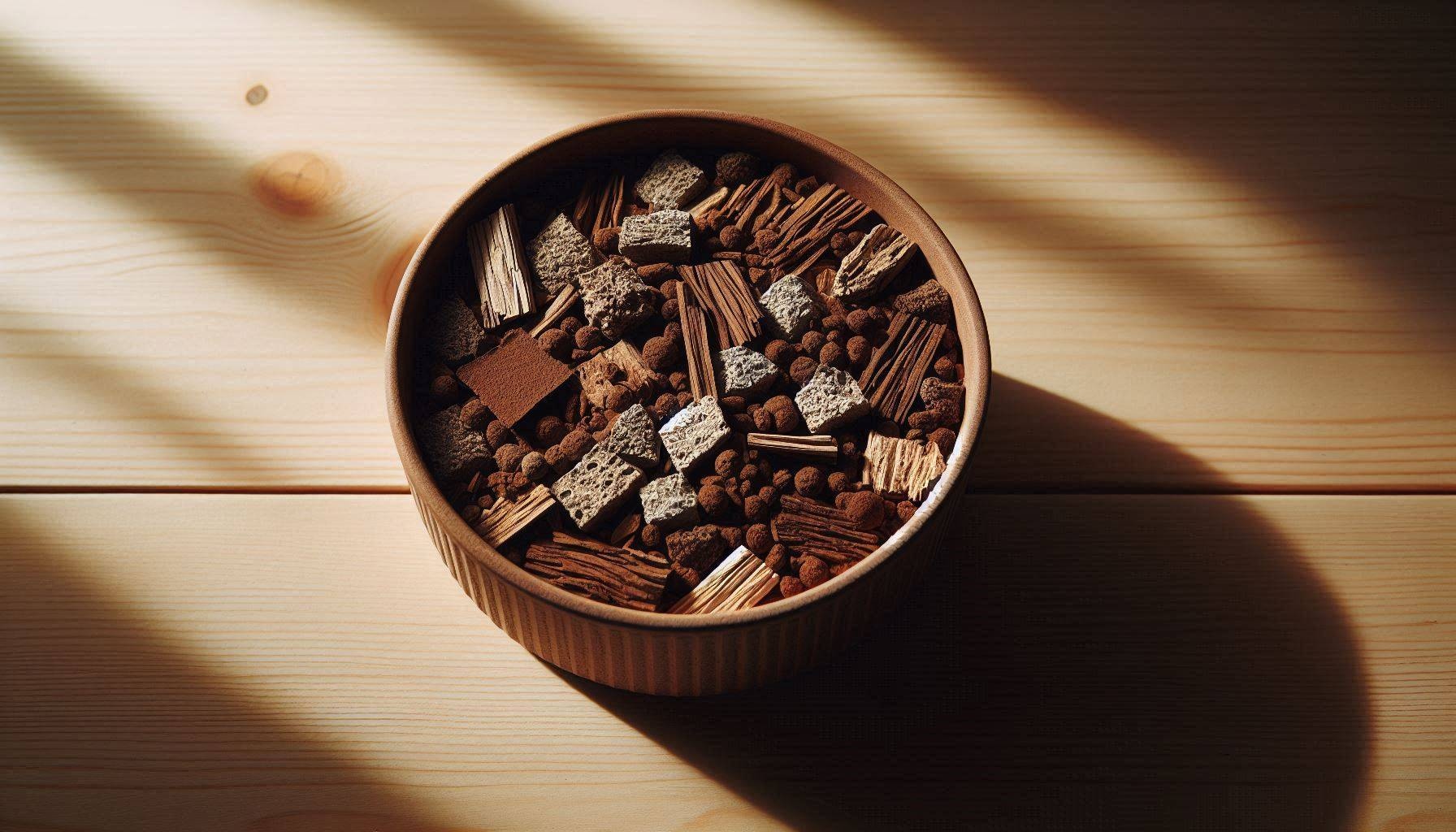
If you are searching for the best soil mix for a variegated Monstera, the goal is not a special branded soil. The goal is a mix that gives thick Monstera roots both air and moisture without staying waterlogged. Quick answer: start with roughly 40% orchid bark, 30% perlite or pumice, 20% sphagnum moss or coco coir, and 10% potting mix or worm castings. Treat those percentages as a starting point and adjust for your pot, humidity, light and watering habits. ...

July 31, 2026 · 7 min · 1306 words · The Rare Plant Guide
Variegated Monstera cutting rooting in a glass jar of water
```

How to Propagate Variegated Monstera Without Losing the Variegation

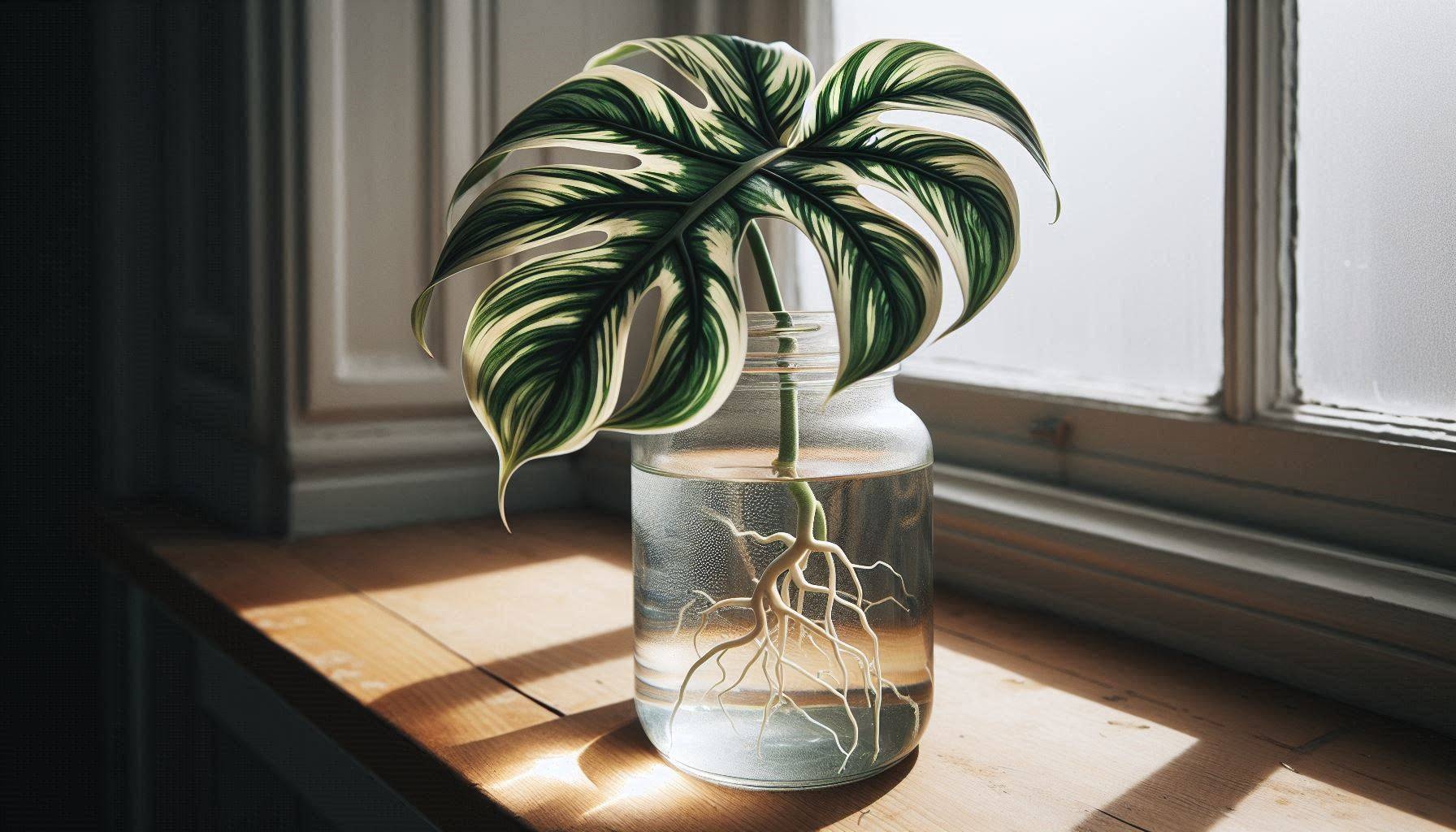
Variegated Monstera propagation starts with one non-negotiable feature: a viable node. A beautiful leaf by itself is not enough to create a new vine. Quick answer: choose a healthy cutting with at least one node and visible stem variegation, root the node in water or lightly damp sphagnum under bright indirect light, and move it to a chunky aroid mix after it has developed several healthy roots. If you are choosing a variegated Monstera cutting, inspect the stem and axillary bud before you cut. Variegation running through the node can improve the chance that new growth stays variegated, but it cannot guarantee the pattern of the next leaf. For the structures to inspect before cutting, see Monstera Node vs Axillary Bud. ...

July 31, 2026 · 6 min · 1104 words · The Rare Plant Guide
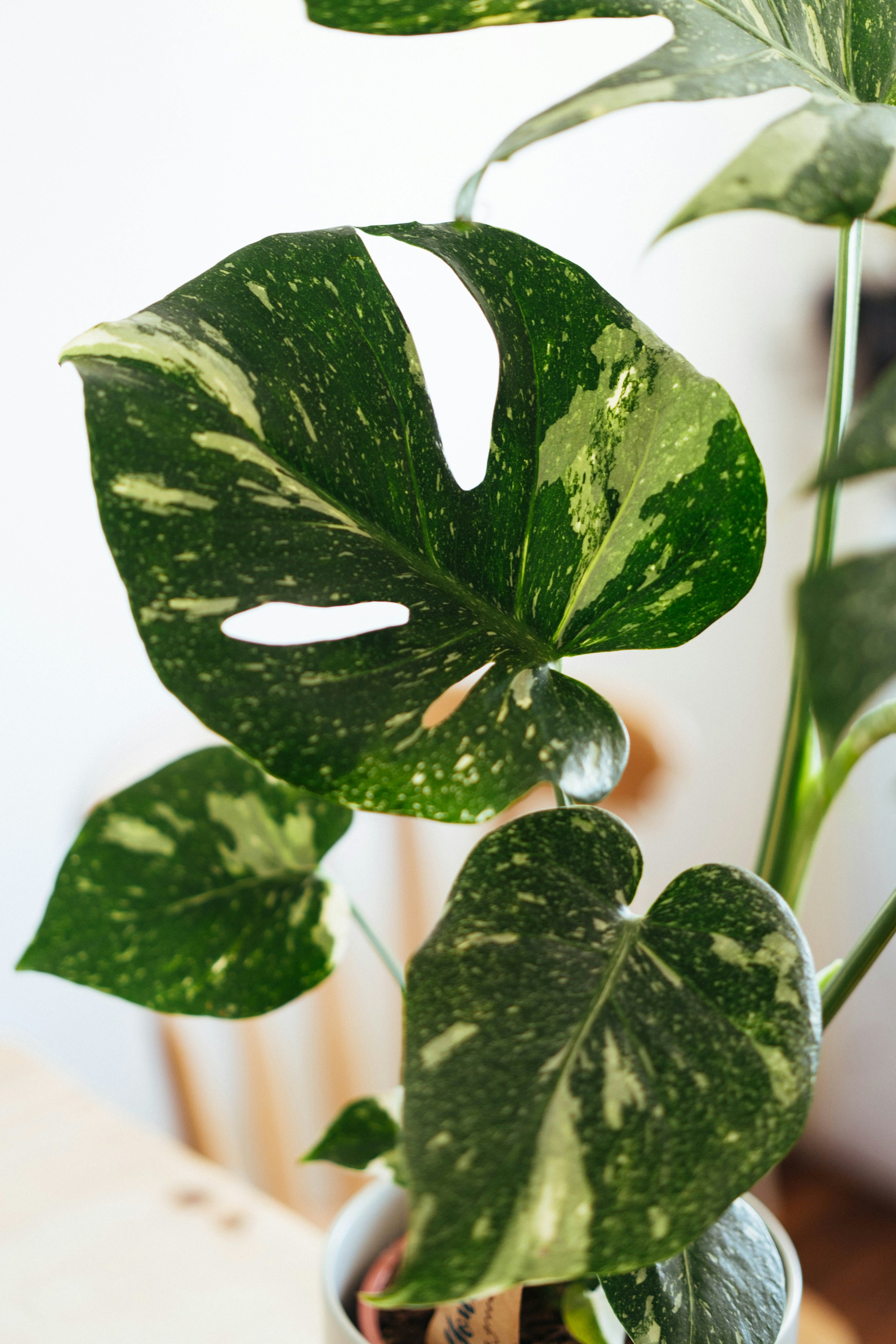
Variegated Monstera leaf
```

Rare Houseplant Care: The Complete Guide

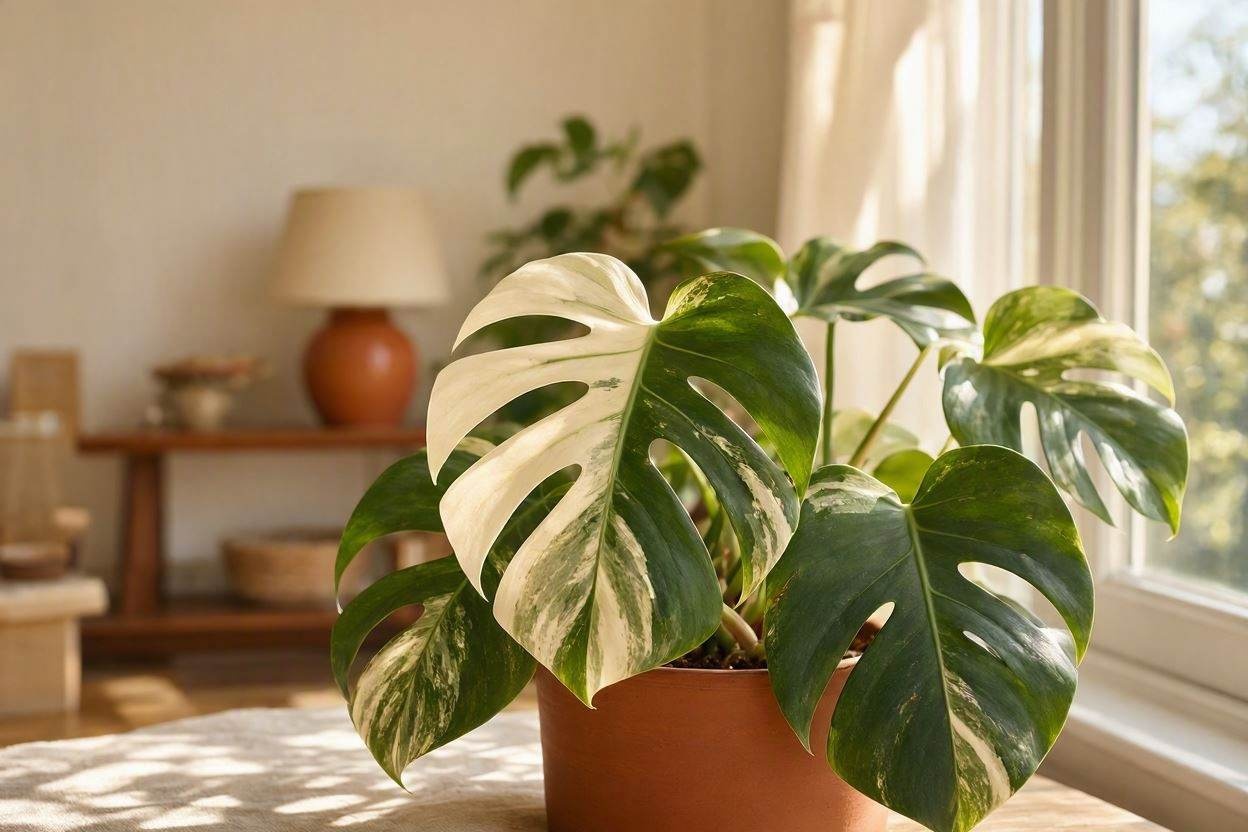
Rare and variegated houseplants have exploded in popularity over the last few years, with collectors paying anywhere from $50 to several thousand dollars for a single specimen. But rarity comes with a catch: many of these plants are less forgiving than common houseplants, and one small care mistake can set them back for months. Quick answer: rare and variegated plants usually need brighter indirect light, more careful watering, higher humidity, and chunkier soil than common houseplants. The reason is simple: variegated leaves have less chlorophyll, so the plant has less energy to work with and recovers more slowly from stress. ...

July 31, 2026 · 4 min · 787 words · The Rare Plant Guide
Inspecting houseplant leaves for pests
```

Rare Houseplant Pests: Spider Mites, Thrips & More (ID Chart)

A pest infestation on a rare plant is easiest to control when you identify the pattern early instead of treating every damaged leaf the same way. Quick identification: fine webbing and pale stippling suggest spider mites; silver streaks and tiny dark specks point toward thrips; white cottony clusters suggest mealybugs; and firm brown shell-like bumps are typical of scale. Isolate the affected plant before treating it. Pest Fastest clue Where to check first Spider mites Fine webbing + pale stippling Leaf undersides and petiole joints Thrips Silver streaks + dark specks New growth and leaf surfaces Mealybugs White cottony clusters Nodes, joints and crevices Scale Firm brown shell-like bumps Stems and leaf undersides A stressed plant can also yellow, droop or grow poorly without pests. Look for direct evidence before treating. For general care fundamentals, see the Complete Rare Houseplant Care Guide. ...

July 31, 2026 · 3 min · 574 words · The Rare Plant Guide