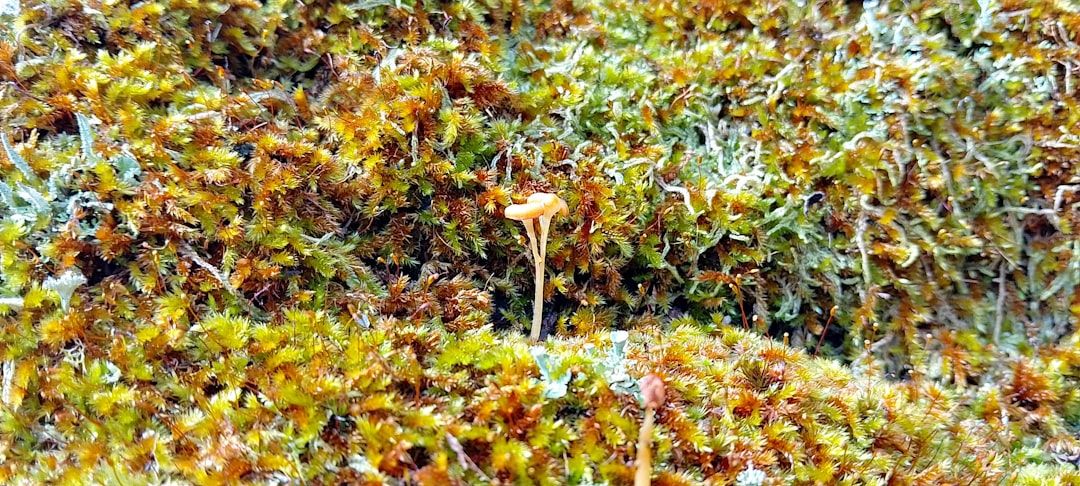
sphagnum moss plant propagation

Sphagnum Moss for Rare Plant Propagation: Pros, Rot Risks & Transfer

Long-fiber sphagnum moss can work very well for Monstera, Philodendron and other rare-plant cuttings, but only when the node gets moisture and oxygen at the same time. Quick answer: use sphagnum loose and evenly damp—not dripping wet or tightly packed. Saturated, airless moss is the main rot risk. Transfer a cutting after it has several healthy roots, preferably with some secondary branching, and keep the new potting mix consistently but not excessively moist during acclimation. ...

August 6, 2026 · 4 min · 844 words · The Rare Plant Guide
Variegated Monstera cutting rooting in a glass jar of water

How to Propagate Variegated Monstera Without Losing the Variegation

Variegated Monstera propagation starts with one non-negotiable feature: a viable node. A beautiful leaf by itself is not enough to create a new vine. Quick answer: choose a healthy cutting with at least one node and visible stem variegation, root the node in water or lightly damp sphagnum under bright indirect light, and move it to a chunky aroid mix after it has developed several healthy roots. If you are choosing a variegated Monstera cutting, inspect the stem and axillary bud before you cut. Variegation running through the node can improve the chance that new growth stays variegated, but it cannot guarantee the pattern of the next leaf. For the structures to inspect before cutting, see Monstera Node vs Axillary Bud. ...

July 31, 2026 · 6 min · 1104 words · The Rare Plant Guide