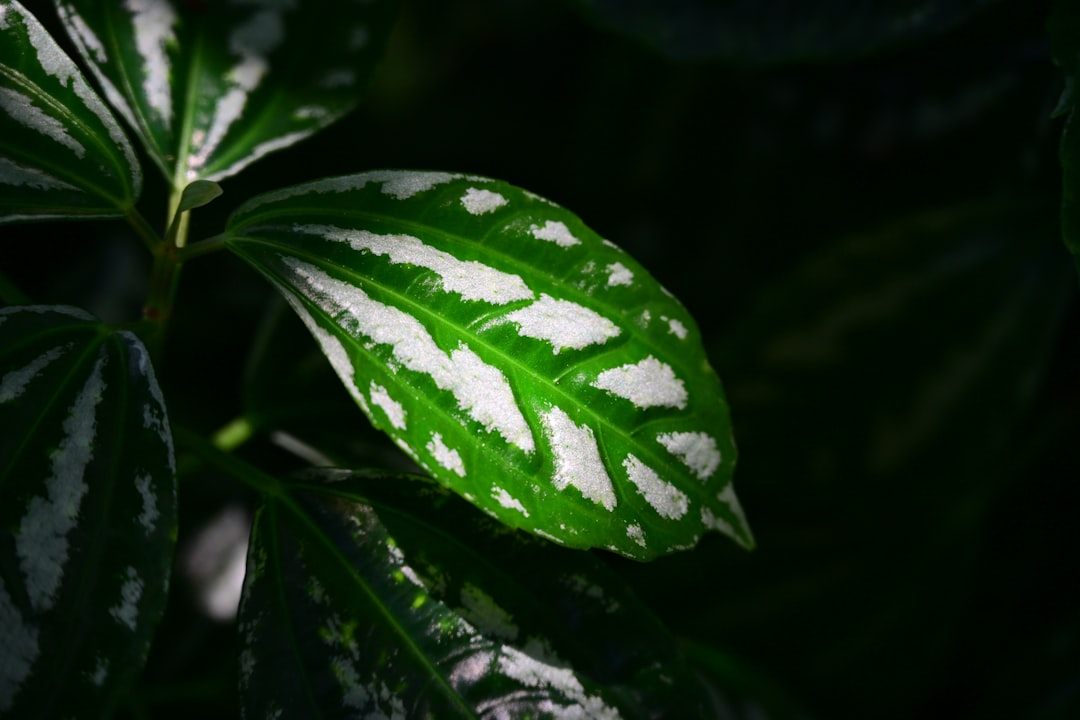
Houseplant leaf being inspected for pests

Treating Thrips and Mites on Variegated Plants Safely

Protecting rare, variegated houseplants from pests requires a delicate balance of swift eradication and tissue preservation. Variegated foliage—which contains white, cream, or yellow sectors—lacks the protective chlorophyll and robust cell structure found in solid green leaves. Consequently, standard, aggressive chemical treatments frequently cause irreversible cosmetic damage, chemical burns, or rapid browning of those highly prized variegated patches. The most effective solution lies in a conservative, multi-phase approach: physically removing the pests, applying mild, non-oil-based treatments during low-light hours, or utilizing biological controls that leave the delicate foliage completely unharmed. ...
August 31, 2026 · 7 min · 1344 words · The Rare Plant Guide
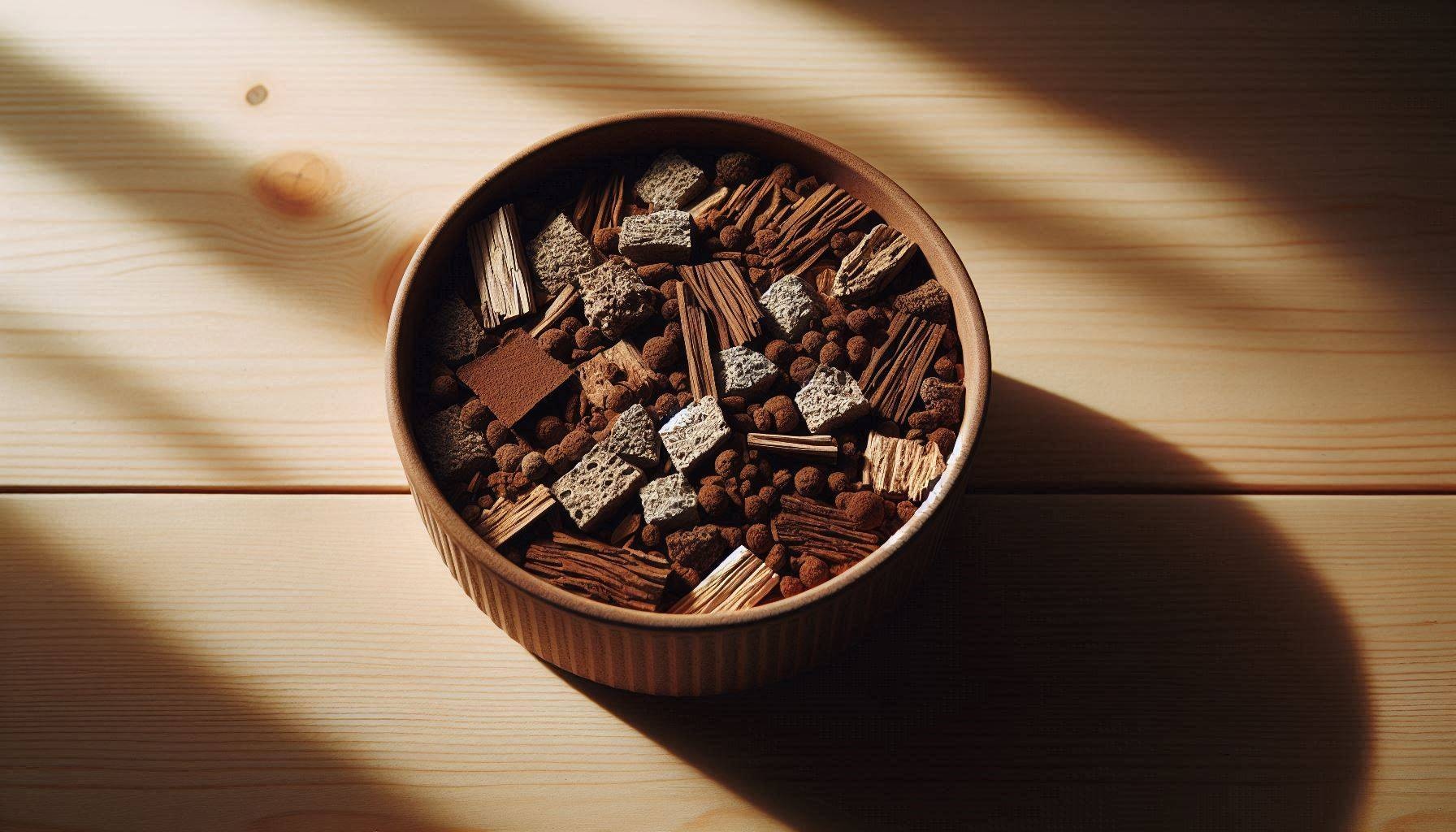
Chunky aroid soil mix for rare houseplants

Common Mistakes When Repotting Rare Aroids: How to Protect Your Plants

Repotting rare aroids is a high-stakes task where a single misstep can lead to severe root damage or prolonged transplant shock. When handling highly valued species like variegated Monsteras, delicate Philodendrons, or velvety Anthuriums, the margins for error are slim. The key to a seamless transition is preparation and gentle execution. Minimizing disturbance to the root system, using a highly porous substrate, and maintaining stable post-repotting conditions are crucial. By avoiding common pitfalls, growers can ensure their rare specimens survive the move and thrive in their new containers. ...

August 27, 2026 · 6 min · 1224 words · The Rare Plant Guide
variegated leaf pattern closeup

Chimeric Variegation vs Genetic vs Viral: 3 Types Explained

Identifying the exact nature of a plant’s colorful foliage is the first step toward keeping it healthy and maintaining its unique look. Variegation—the appearance of differently colored zones on leaves—is not a single, uniform phenomenon. Instead, it is divided into distinct categories: chimeric, pattern-gene, and viral. Recognizing these differences helps growers predict whether a plant’s coloration is permanent, whether it will pass down to future generations, or whether it indicates a health issue that requires immediate isolation. ...

August 24, 2026 · 7 min · 1392 words · The Rare Plant Guide
small plant seedling pot

Is It Worth Buying Tissue-Cultured Rare Plants? An Honest Guide for Hobbyists

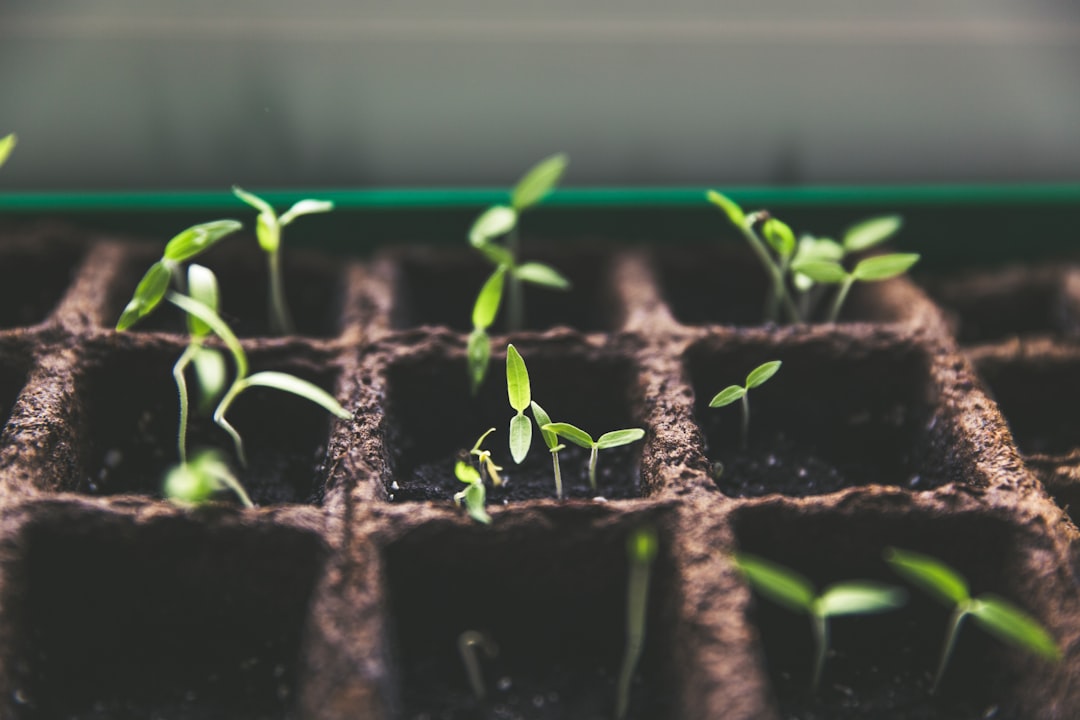
Tissue-culture plantlets have made many rare Monsteras, Philodendrons, and Alocasias available at lower entry prices. They are also much smaller and less forgiving during the transition from a sealed laboratory container to normal household conditions. The best value depends on more than the purchase price. Equipment, time, seller quality, acclimation risk, and the wait for a mature plant all belong in the comparison. Why Acclimation Is the Real Cost A tissue-culture plantlet is not simply a miniature established plant. Its first weeks outside the vessel require stable warmth, gentle light, high but gradually declining humidity, and a medium that is moist without being waterlogged. ...

August 13, 2026 · 4 min · 814 words · The Rare Plant Guide
sphagnum moss plant propagation

Sphagnum Moss for Rare Plant Propagation: Pros, Rot Risks & Transfer

Long-fiber sphagnum moss can work very well for Monstera, Philodendron and other rare-plant cuttings, but only when the node gets moisture and oxygen at the same time. Quick answer: use sphagnum loose and evenly damp—not dripping wet or tightly packed. Saturated, airless moss is the main rot risk. Transfer a cutting after it has several healthy roots, preferably with some secondary branching, and keep the new potting mix consistently but not excessively moist during acclimation. ...

August 6, 2026 · 4 min · 844 words · The Rare Plant Guide