Sphagnum moss used for rare plant propagation

Best Moss Pole for Monstera: Sphagnum vs Coir vs Plastic

If you are trying to choose the best moss pole for a Monstera, do not start with price or appearance. Start with what you want the support to do. Quick answer: choose sphagnum or a refillable modular pole if you want aerial roots to grow into a moist support and you are willing to maintain it. Choose coir if you mainly want simple, lower-maintenance support. Choose a wooden plank or rigid stake if stability matters more than moisture. For a fast-growing Monstera, an extendable system is usually easier to live with than a fixed-height decorative pole. ...
August 28, 2026 · 7 min · 1303 words · The Rare Plant Guide
Monstera node and axillary bud comparison

Propagate Thai Constellation Monstera: Step-by-Step Guide

Successfully propagating a thai constellation monstera requires isolating a healthy stem node, utilizing sterile tools, and providing a highly oxygenated, warm rooting medium. Unlike standard green monsteras, this variegated cultivar features lower chlorophyll levels, making its tissue more susceptible to decay. By focusing on precise cut placement, sanitizing all equipment, and maintaining high humidity, growers can consistently initiate strong root development on new propagation cuttings. Understanding the biological needs of this rare plant is the key to preventing the rot that frequently claims delicate cuttings. With patience and the proper technique, a single node can be cultivated into a robust, independent plant. ...

August 27, 2026 · 6 min · 1266 words · The Rare Plant Guide
Chunky aroid soil mix with bark, perlite and organic components for Monstera, Philodendron and Anthurium

Best Aroid Soil Mix Recipes for Monstera, Philodendron & Anthurium

A good aroid soil mix should hold enough moisture for the roots to use while still draining freely and leaving plenty of air spaces. For many Monsteras and Philodendrons, a practical starting recipe is 3 parts orchid bark, 2 parts coco coir or peat moss, 2 parts perlite or pumice, 1 part horticultural charcoal, and 1 part worm castings. Different aroids need different moisture levels, so this guide compares a general chunky mix with a more moisture-retentive Anthurium and Alocasia blend. If your search is specifically for a variegated Monstera, use the dedicated guide to the best soil for variegated Monstera instead. ...

August 20, 2026 · 7 min · 1454 words · The Rare Plant Guide
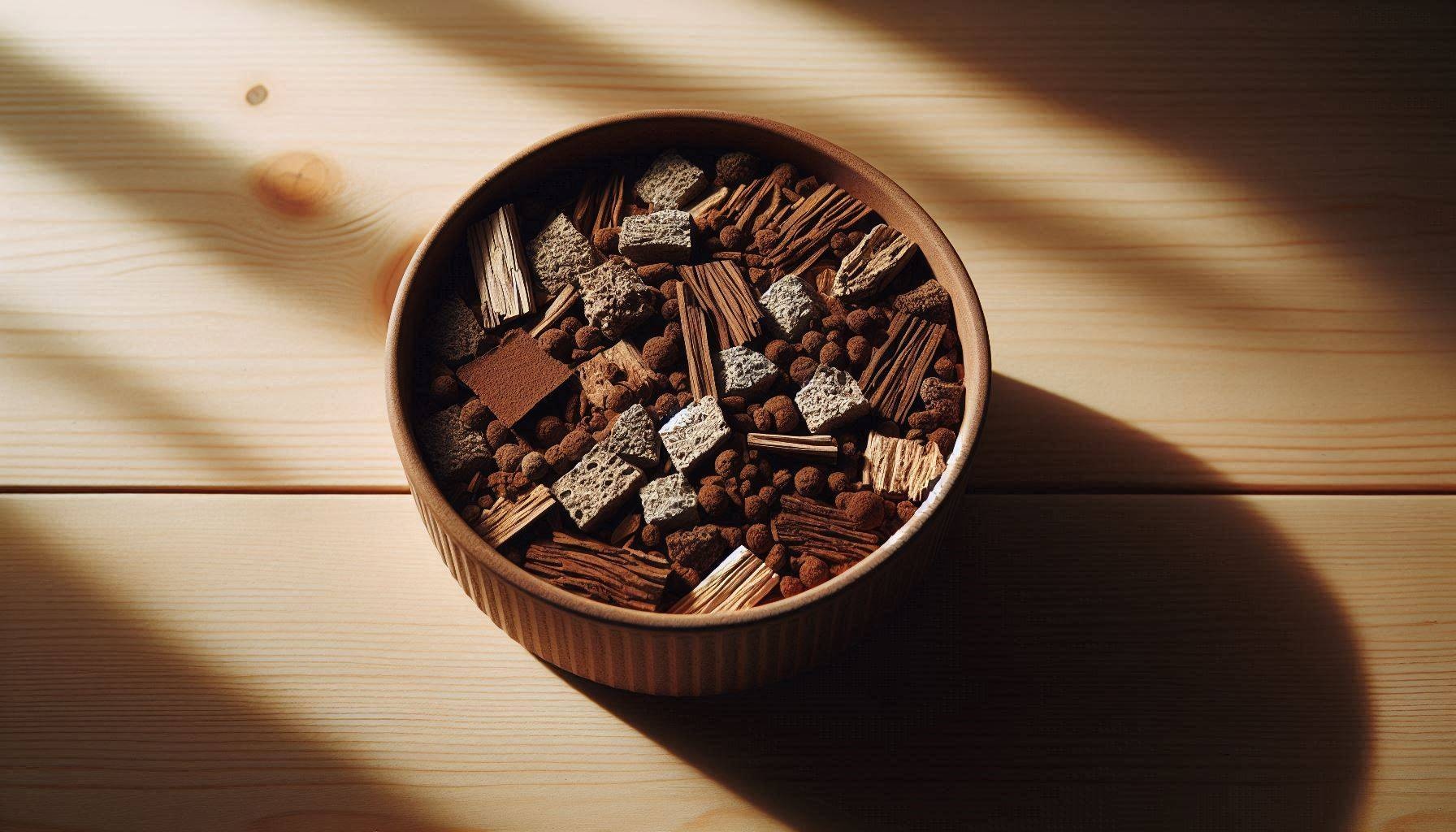
Chunky bark and perlite soil mix for variegated Monstera

Best Soil Mix for Variegated Monstera (Exact 40/30/20/10 Recipe)

If you are searching for the best soil mix for a variegated Monstera, the goal is not a special branded soil. The goal is a mix that gives thick Monstera roots both air and moisture without staying waterlogged. Quick answer: start with roughly 40% orchid bark, 30% perlite or pumice, 20% sphagnum moss or coco coir, and 10% potting mix or worm castings. Treat those percentages as a starting point and adjust for your pot, humidity, light and watering habits. ...

July 31, 2026 · 7 min · 1306 words · The Rare Plant Guide
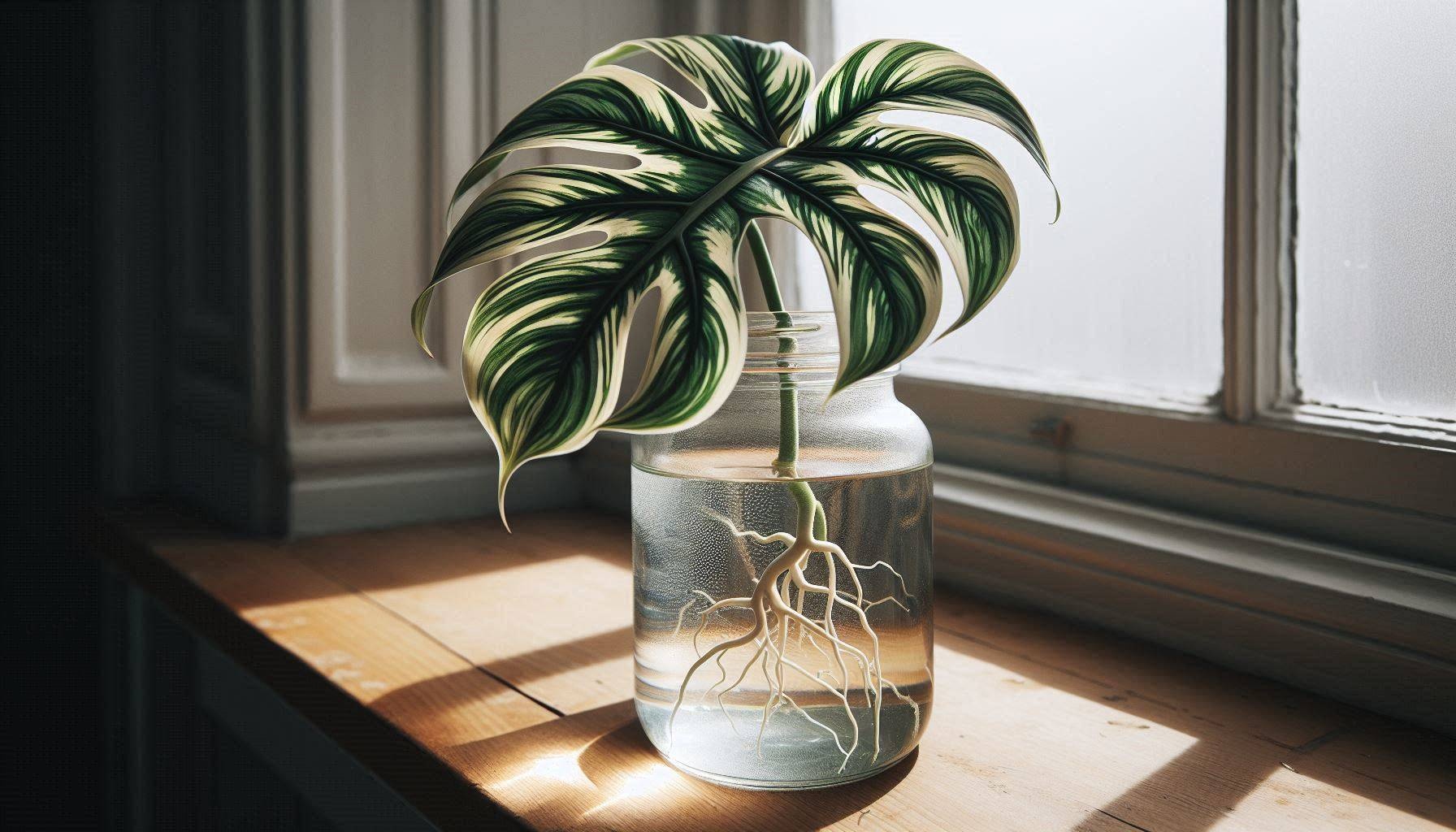
Variegated Monstera cutting rooting in a glass jar of water

How to Propagate Variegated Monstera Without Losing the Variegation

Variegated Monstera propagation starts with one non-negotiable feature: a viable node. A beautiful leaf by itself is not enough to create a new vine. Quick answer: choose a healthy cutting with at least one node and visible stem variegation, root the node in water or lightly damp sphagnum under bright indirect light, and move it to a chunky aroid mix after it has developed several healthy roots. If you are choosing a variegated Monstera cutting, inspect the stem and axillary bud before you cut. Variegation running through the node can improve the chance that new growth stays variegated, but it cannot guarantee the pattern of the next leaf. For the structures to inspect before cutting, see Monstera Node vs Axillary Bud. ...

July 31, 2026 · 6 min · 1104 words · The Rare Plant Guide