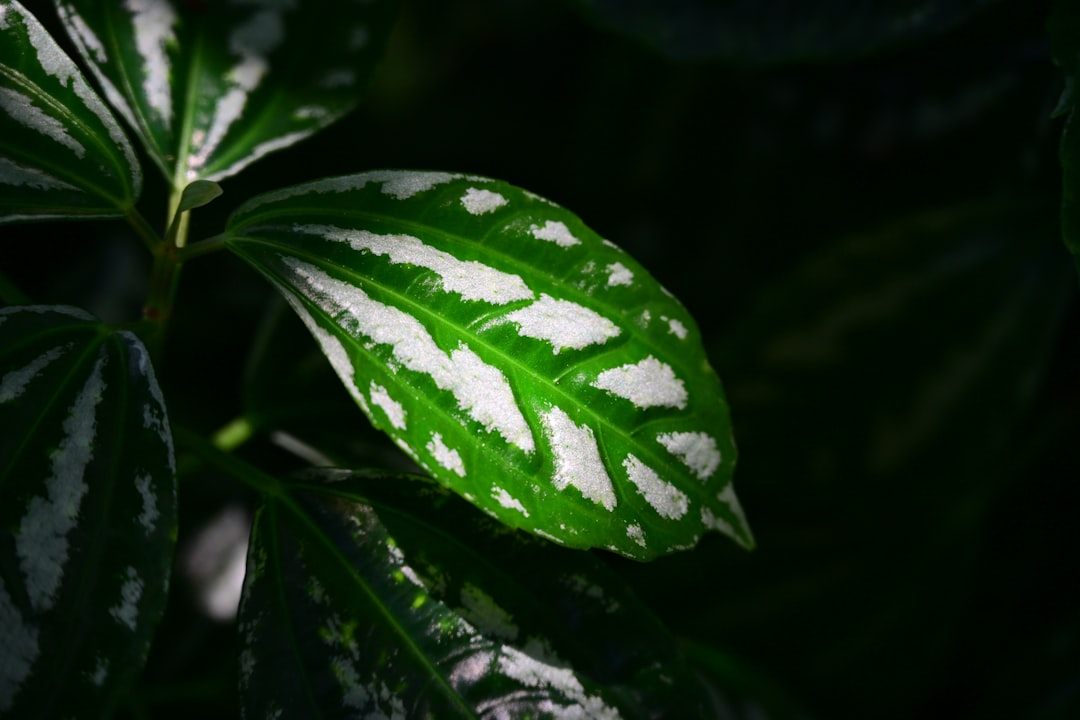
Monstera node and axillary bud comparison

Propagate Thai Constellation Monstera: Step-by-Step Guide

Successfully propagating a thai constellation monstera requires isolating a healthy stem node, utilizing sterile tools, and providing a highly oxygenated, warm rooting medium. Unlike standard green monsteras, this variegated cultivar features lower chlorophyll levels, making its tissue more susceptible to decay. By focusing on precise cut placement, sanitizing all equipment, and maintaining high humidity, growers can consistently initiate strong root development on new propagation cuttings. Understanding the biological needs of this rare plant is the key to preventing the rot that frequently claims delicate cuttings. With patience and the proper technique, a single node can be cultivated into a robust, independent plant. ...
August 27, 2026 · 6 min · 1266 words · The Rare Plant Guide
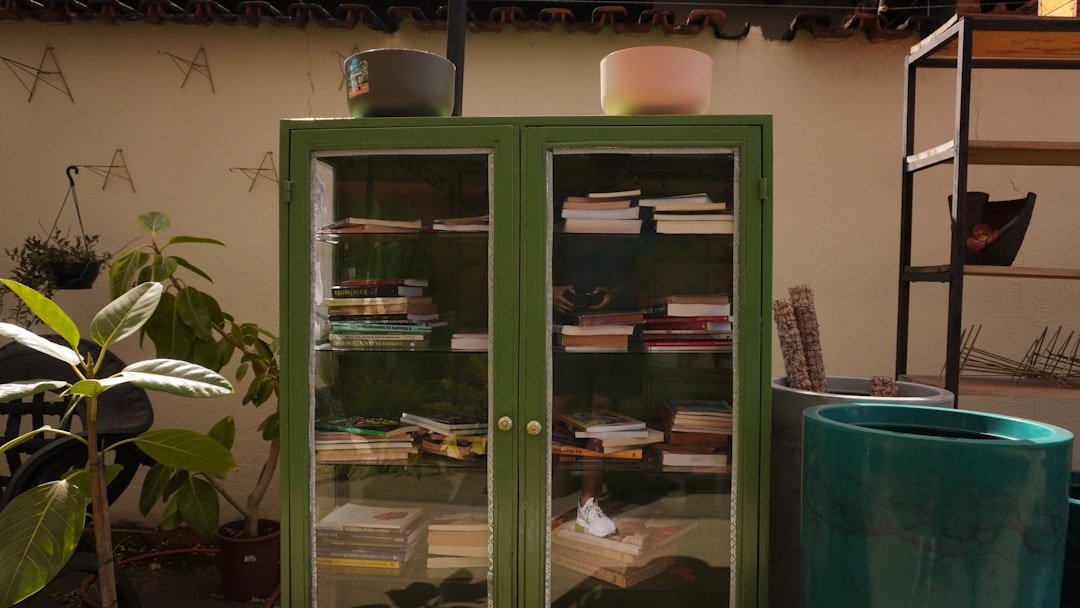
indoor plant greenhouse cabinet

Humidity Tents vs Greenhouse Cabinets for Rare Plants

Deciding how to maintain optimal rare plant humidity is a pivotal moment for any indoor gardener. To choose the right setup immediately, consider the scale and purpose of your collection: a humidity tent offers an affordable, portable, and temporary environment perfect for acclimating new imports or propagating cuttings, while a dedicated grow cabinet provides a permanent, visually striking, and highly customizable microclimate designed for long-term growth. Both systems have unique advantages and operational demands. By understanding the functional differences between these two popular options, growers can protect their investments and cultivate thriving tropical specimens. ...

August 17, 2026 · 7 min · 1349 words · The Rare Plant Guide
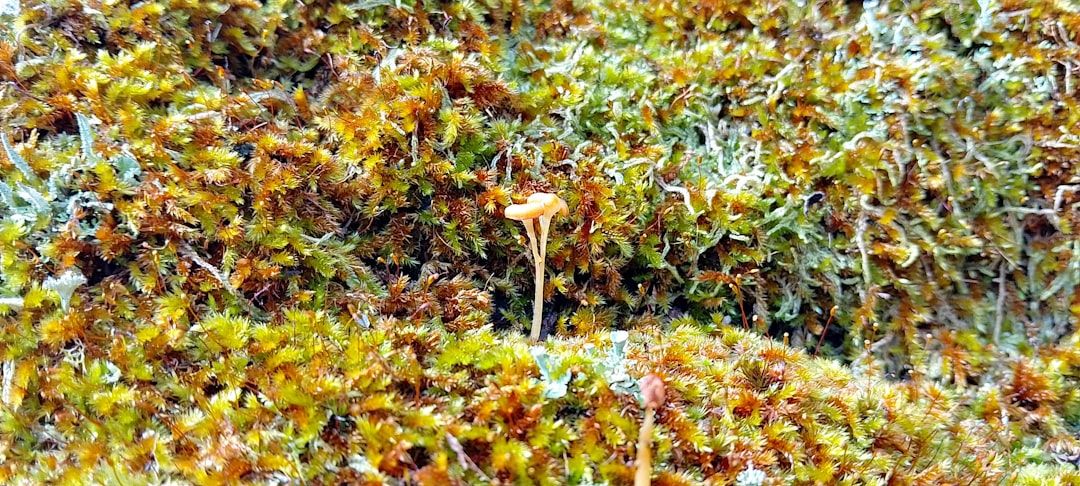
sphagnum moss plant propagation

Sphagnum Moss for Rare Plant Propagation: Pros, Rot Risks & Transfer

Long-fiber sphagnum moss can work very well for Monstera, Philodendron and other rare-plant cuttings, but only when the node gets moisture and oxygen at the same time. Quick answer: use sphagnum loose and evenly damp—not dripping wet or tightly packed. Saturated, airless moss is the main rot risk. Transfer a cutting after it has several healthy roots, preferably with some secondary branching, and keep the new potting mix consistently but not excessively moist during acclimation. ...

August 6, 2026 · 4 min · 844 words · The Rare Plant Guide