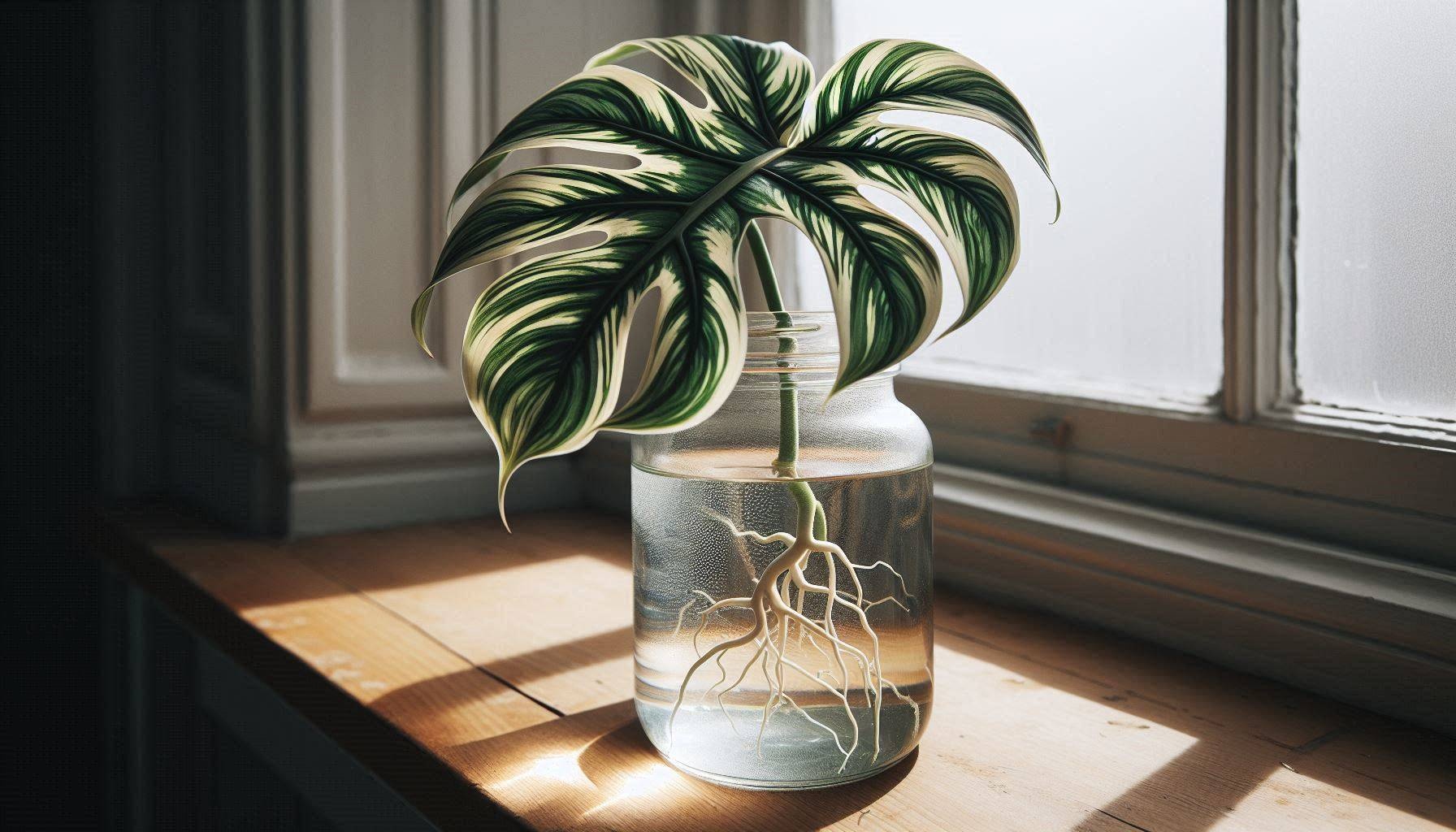
Rare plant cutting developing roots during propagation

Why Are Rare Houseplants So Expensive? Pricing Explained

Understanding what determines rare plant prices is essential for anyone interested in navigating the indoor gardening market. The cost of a highly coveted botanical specimen is not arbitrary; it is shaped by a complex interplay of genetic stability, propagation difficulty, growth speed, market demand, and the logistical challenges of transport. By analyzing these factors, enthusiasts can make informed purchasing decisions, protect their investments, and avoid overpaying for specimens that may soon become widely available on the mass market. ...

September 3, 2026 · 7 min · 1360 words · The Rare Plant Guide
Chunky aroid soil mix for rare houseplants

How Often to Water Variegated Monstera: Signs, Not a Schedule

If you are asking how often to water a variegated Monstera, the safest answer is not “every seven days.” Watering frequency changes with the pot, soil mix, light, temperature, root mass and season. Quick answer: water when the upper part of the mix has dried and the pot feels clearly lighter, then water thoroughly until excess drains. In a bright, warm room this may happen much faster than in a cool, low-light room. ...

August 28, 2026 · 7 min · 1390 words · The Rare Plant Guide
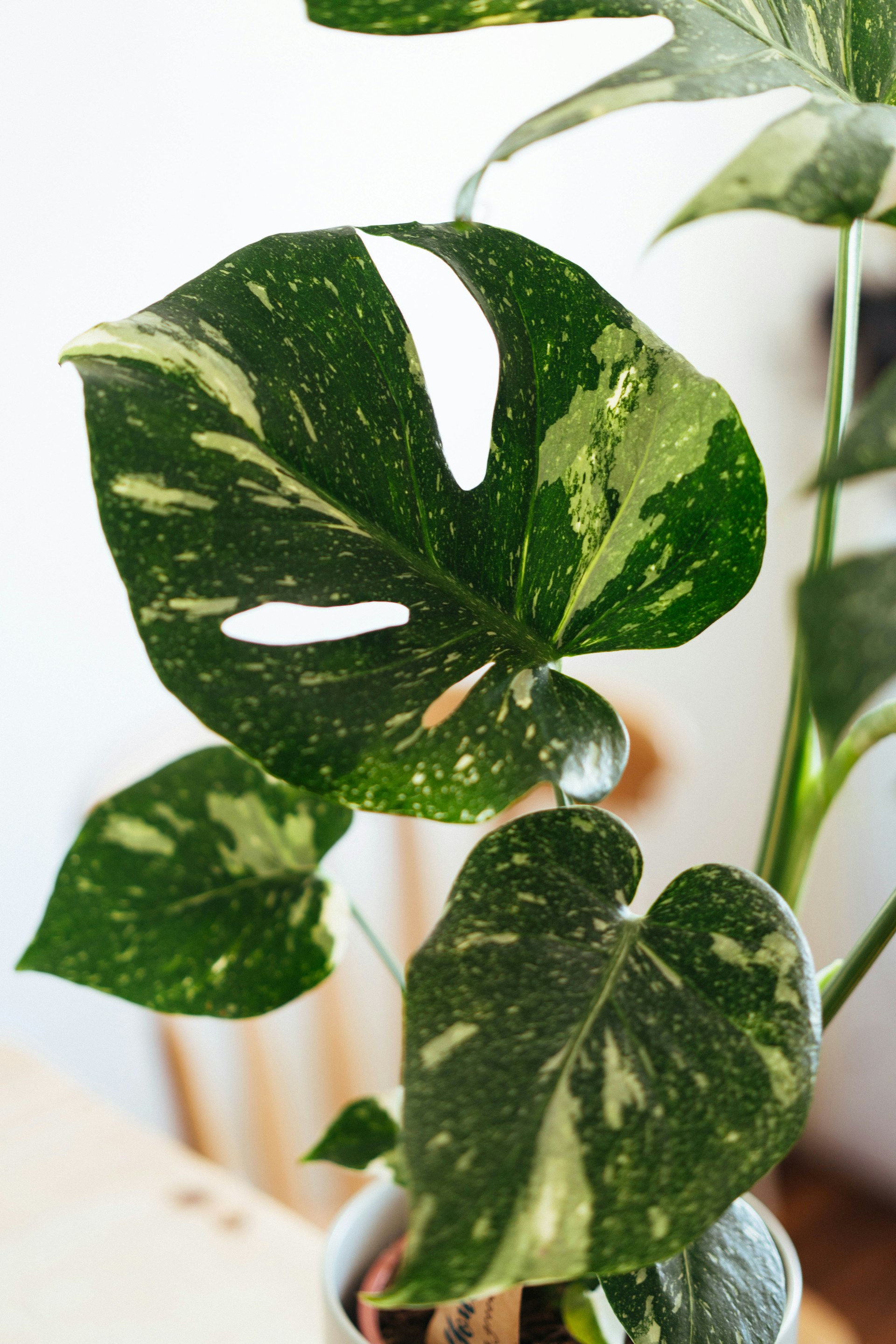
Variegated Monstera leaf showing green and white variegation

Variegated Monstera Turning Green? Can You Still Save It?

If your variegated Monstera is turning green, do not judge the plant from one leaf alone. The most useful evidence is on the stem, node and active growth point. Quick answer: one greener leaf can be normal variation. Several solid-green leaves combined with an all-green section of stem are much stronger signs of Monstera reversion. If the newest growth point is fully green, the usual corrective option is to prune back to a node that still crosses visible variegated stem tissue. ...

August 4, 2026 · 7 min · 1417 words · The Rare Plant Guide
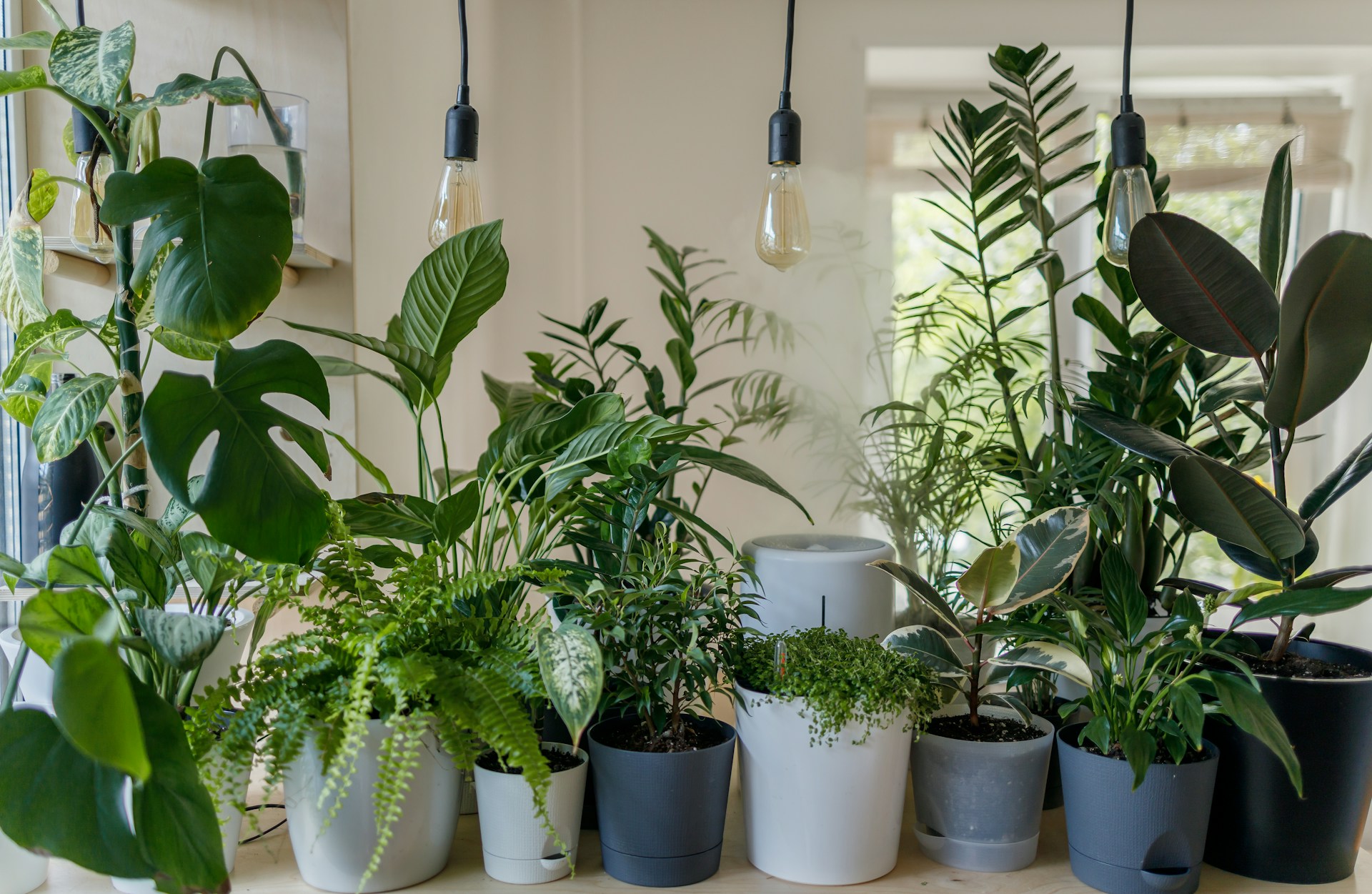
Grow light positioned above rare and variegated houseplants

Best Grow Lights for Rare Houseplants: Distance, Timing & Setup

The best grow light for rare houseplants is not necessarily the most powerful one. It is the fixture that gives your plants consistent, usable light across the whole canopy without overheating or bleaching the leaves. For variegated Monstera, Philodendron, Anthurium and other collectible aroids, prioritize full-spectrum output, useful coverage, adjustable placement and a timer over decorative features. Quick answer: choose a full-spectrum LED sized for the shelf or growing area, follow the manufacturer’s recommended distance, start with a conservative schedule, and increase exposure gradually while watching new growth. ...

July 31, 2026 · 5 min · 911 words · The Rare Plant Guide
Variegated Monstera leaf

Rare Houseplant Care: The Complete Guide

Rare and variegated houseplants have exploded in popularity over the last few years, with collectors paying anywhere from $50 to several thousand dollars for a single specimen. But rarity comes with a catch: many of these plants are less forgiving than common houseplants, and one small care mistake can set them back for months. Quick answer: rare and variegated plants usually need brighter indirect light, more careful watering, higher humidity, and chunkier soil than common houseplants. The reason is simple: variegated leaves have less chlorophyll, so the plant has less energy to work with and recovers more slowly from stress. ...

July 31, 2026 · 4 min · 787 words · The Rare Plant Guide
Inspecting houseplant leaves for pests

Rare Houseplant Pests: Spider Mites, Thrips & More (ID Chart)

A pest infestation on a rare plant is easiest to control when you identify the pattern early instead of treating every damaged leaf the same way. Quick identification: fine webbing and pale stippling suggest spider mites; silver streaks and tiny dark specks point toward thrips; white cottony clusters suggest mealybugs; and firm brown shell-like bumps are typical of scale. Isolate the affected plant before treating it. Pest Fastest clue Where to check first Spider mites Fine webbing + pale stippling Leaf undersides and petiole joints Thrips Silver streaks + dark specks New growth and leaf surfaces Mealybugs White cottony clusters Nodes, joints and crevices Scale Firm brown shell-like bumps Stems and leaf undersides A stressed plant can also yellow, droop or grow poorly without pests. Look for direct evidence before treating. For general care fundamentals, see the Complete Rare Houseplant Care Guide. ...

July 31, 2026 · 3 min · 574 words · The Rare Plant Guide