Winter-proofing a rare plant collection requires adjusting environmental factors—specifically light, temperature, moisture, and humidity—to match the slower growth rate of tropical plants during the colder months. Successfully protecting these delicate specimens involves moving them away from cold glass panes, reducing watering frequency, supplementing light, and stabilizing humidity. Making these key adjustments early prevents common seasonal setbacks and keeps prized tropical foliage healthy until spring.
Recognizing the Impact of Seasonal Shifts on Rare Foliage
As the seasons transition, indoor environmental conditions change dramatically. Heated indoor air combined with shorter days and lower outdoor temperatures creates a challenging microclimate for tropical species. Understanding how these changes affect indoor plants winter survival is the first step toward maintaining a thriving collection.
Slower growth or complete dormancy is a natural response to reduced light and cooler temperatures. Tropical plants, accustomed to stable equatorial conditions, react to the shorter days of winter by conserving energy. During this time, metabolic processes slow down, meaning the plant requires fewer resources like water and nutrients. Recognizing this shift prevents the common mistake of over-managing specimens when they simply need to rest.
Managing Light Deprivation and Preventing Reversion
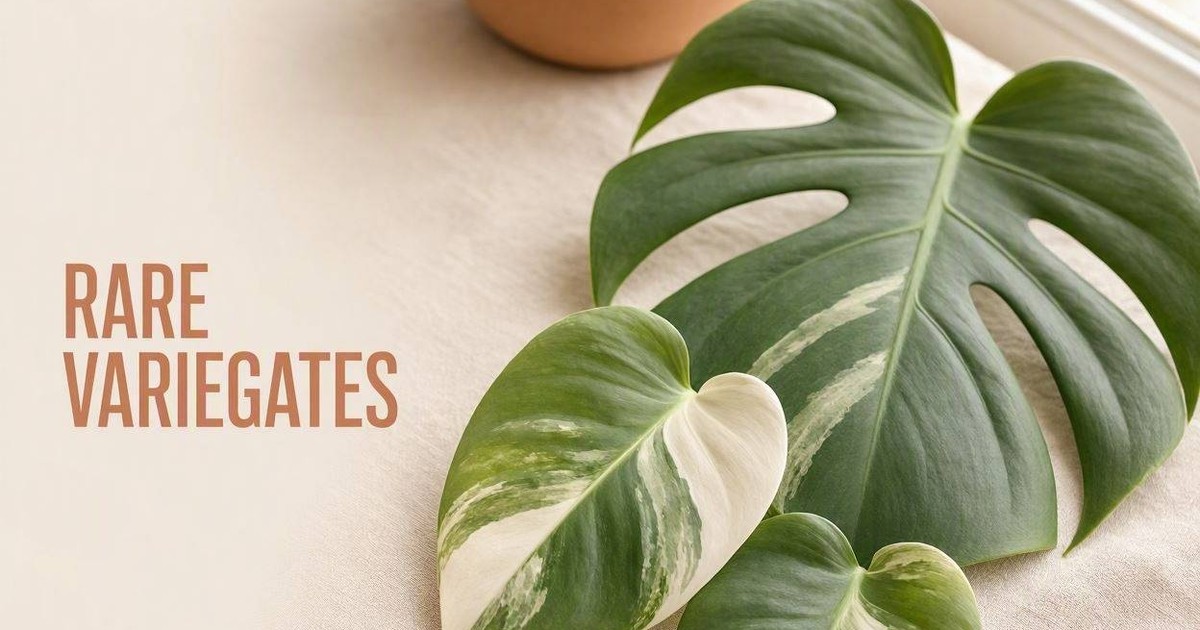
Shorter days and weaker sunlight can significantly impact highly variegated specimens. Variegated Monstera, Philodendron, and Syngonium varieties possess less chlorophyll, making them highly sensitive to light reductions. When light levels drop, variegated plants may struggle to photosynthesize efficiently, which can lead to the production of solid green leaves as the plant attempts to maximize its light-absorbing capabilities. This shift can sometimes be an indicator of light starvation, though other factors can also influence leaf coloration. To understand this phenomenon better, review the guide on The Heartbreak of Reversion: Why Your Variegated Monstera is Turning Green (and How to Save It).
To counter light deprivation:
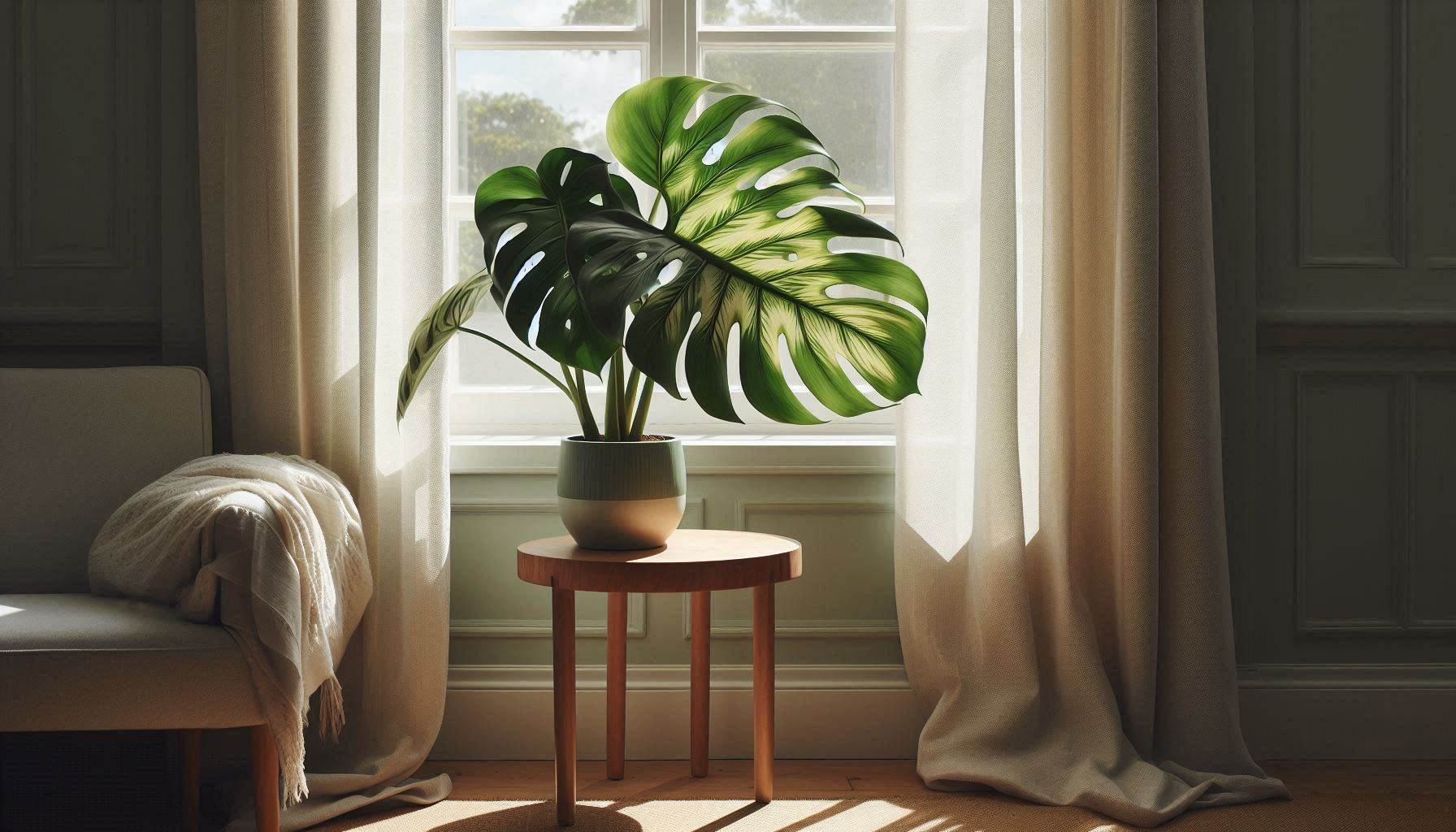
- Relocate plants closer to south- or west-facing windows, ensuring foliage does not touch cold glass.
- Clean leaves regularly with a damp microfiber cloth to remove dust, which can block precious light.
- Install full-spectrum LED grow lights to supplement natural daylight, keeping them on a timer for 12 to 14 hours per day.
- Rotate pots a quarter turn weekly to ensure even light distribution and prevent lopsided growth.
Adjusting Watering Routines to Prevent Root Issues
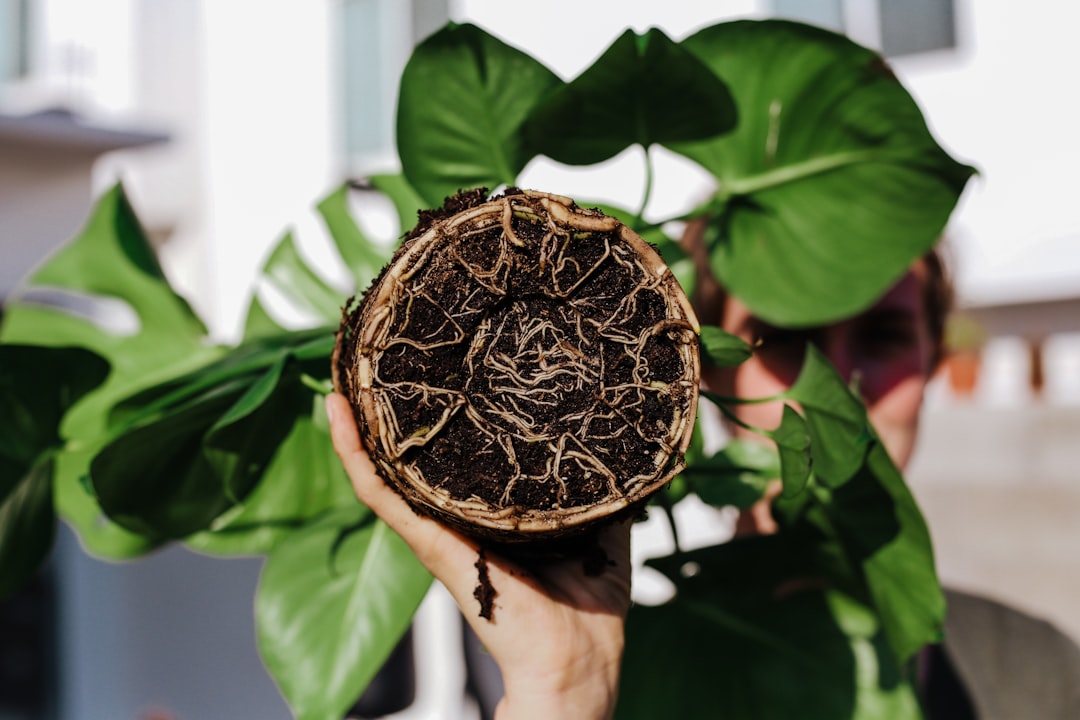
Overwatering is arguably the most common hazard during the winter months. Because plant metabolism slows down, soil remains wet for much longer than it does in spring or summer. When roots sit in cold, saturated soil, they are deprived of oxygen, which creates an ideal environment for opportunistic pathogens.
Yellowing lower leaves, a musty smell from the potting medium, or soft, mushy stems are all potential signs of root issues. While these symptoms can point to various cultivation errors, they are frequently associated with waterlogged soil. To learn how to identify and address these symptoms early, review the guide on How to Spot and Treat Philodendron Root Rot Before It’s Too Late.
To maintain healthy roots:
- Check the moisture level deep within the pot using a wooden chopstick or a reliable moisture meter before watering.
- Water only when the top few inches of soil—or more, depending on the specific species—have dried out completely.
- Use room-temperature water; icy tap water can shock sensitive tropical root systems, leading to root dieback.
- Ensure all decorative cachepots are emptied of excess water within fifteen minutes after watering.
Mitigating Drafts and Cold Damage Risks
Cold damage can happen quickly and cause lasting aesthetic and physiological damage to rare specimens. Tropical plants generally prefer temperatures between 65°F and 85°F (18°C to 29°C). Exposure to temperatures below 55°F (13°C), even for brief periods, can stress sensitive plants like Anthuriums or variegated Alocasias.
Observable signs that may indicate exposure to cold include:
- Sudden leaf dropping or rapid yellowing.
- Dark, water-soaked patches on foliage, which may eventually turn black or crispy.
- Wilting despite the soil being moist.
To protect plants from cold drafts and temperature fluctuations, move specimens away from poorly insulated window sills, exterior doors, and entryways. Additionally, seal drafty windows with weatherstripping or temporary window insulation film. Keep plants away from active heating vents, radiators, and fireplaces, as hot, dry air blasts can scorch leaves and dry out the soil too rapidly. Finally, avoid placing foliage in direct contact with cold window glass, which can transmit freezing temperatures directly to the leaf cells.
Maintaining Optimal Humidity in Dry Winter Air
Central heating systems strip moisture from indoor air, often dropping relative humidity levels below 30%. Most rare tropical plants thrive in humidity levels of 50% to 70%. When the air is too dry, plants lose moisture rapidly through transpiration, which can lead to brown leaf tips, crispy edges, and aborted new growth.
To maintain adequate humidity without creating a breeding ground for mold:
- Group plants together to create a localized microclimate with higher humidity.
- Run a cool-mist humidifier near the collection, keeping it clean according to the manufacturer’s instructions.
- Utilize enclosed setups for ultra-sensitive species. Comparing the benefits of Humidity Tents vs Greenhouse Cabinets for Rare Plants can help determine the best containment method for preserving humidity.
- Avoid misting leaves with a spray bottle, as standing water on cold leaves can encourage fungal pathogens without significantly raising long-term ambient humidity.
Monitoring and Managing Winter Pests Safely
Warm, dry indoor environments created by home heating systems provide ideal conditions for pests like spider mites, thrips, and fungus gnats. Because plants may be slightly stressed by seasonal transitions, they can be more susceptible to infestations.
Regularly inspect the undersides of leaves, leaf joints, and new growth for signs of pests, such as fine webbing, silver speckling, or tiny crawling insects. If pests are detected, prompt action is essential. Use gentle botanical insecticidal soaps or horticultural oils, ensuring to follow product labels precisely. Isolate affected plants immediately to protect the rest of the collection.
A Quick-Reference Winter Plant Care Checklist
Keep this simple checklist handy to ensure consistent winter plant care throughout the colder months:
- Check Light Levels: Ensure grow lights are functioning and leaves are clean.
- Verify Temperature: Keep a digital thermometer near the collection to monitor minimum temperatures.
- Test Soil Moisture: Never water on a calendar schedule; always test the substrate first.
- Monitor Humidity: Aim for at least 50% humidity using humidifiers or cabinets.
- Inspect for Pests: Perform weekly checks under leaves and along stems.
- Suspend Fertilizing: Reduce or entirely stop fertilizer applications unless plants are actively growing under strong grow lights.
Frequently Asked Questions
Should fertilizer be applied to rare plants during the winter?
Generally, fertilizer applications should be suspended or significantly reduced during winter. Because plants grow at a much slower rate due to reduced natural light, they cannot utilize nutrients efficiently. Applying fertilizer during this semi-dormant period can lead to a buildup of mineral salts in the potting medium, which can damage sensitive roots. If plants are kept under high-intensity grow lights in a controlled environment where they continue to produce active growth, a highly diluted, half-strength fertilizer may be applied occasionally, always following the instructions on the product label.
How can cold damage be distinguished from overwatering?
While both issues can cause leaves to yellow or drop, there are distinct differences. Cold damage often manifests as sudden, localized dark or water-soaked spots on the parts of the plant closest to a cold draft or window pane, appearing within hours of exposure. Overwatering typically develops more slowly, starting with the lower leaves yellowing, accompanied by persistently wet soil, a musty odor, or stems that feel soft near the soil line.
Can rare plants be repotted during the winter months?
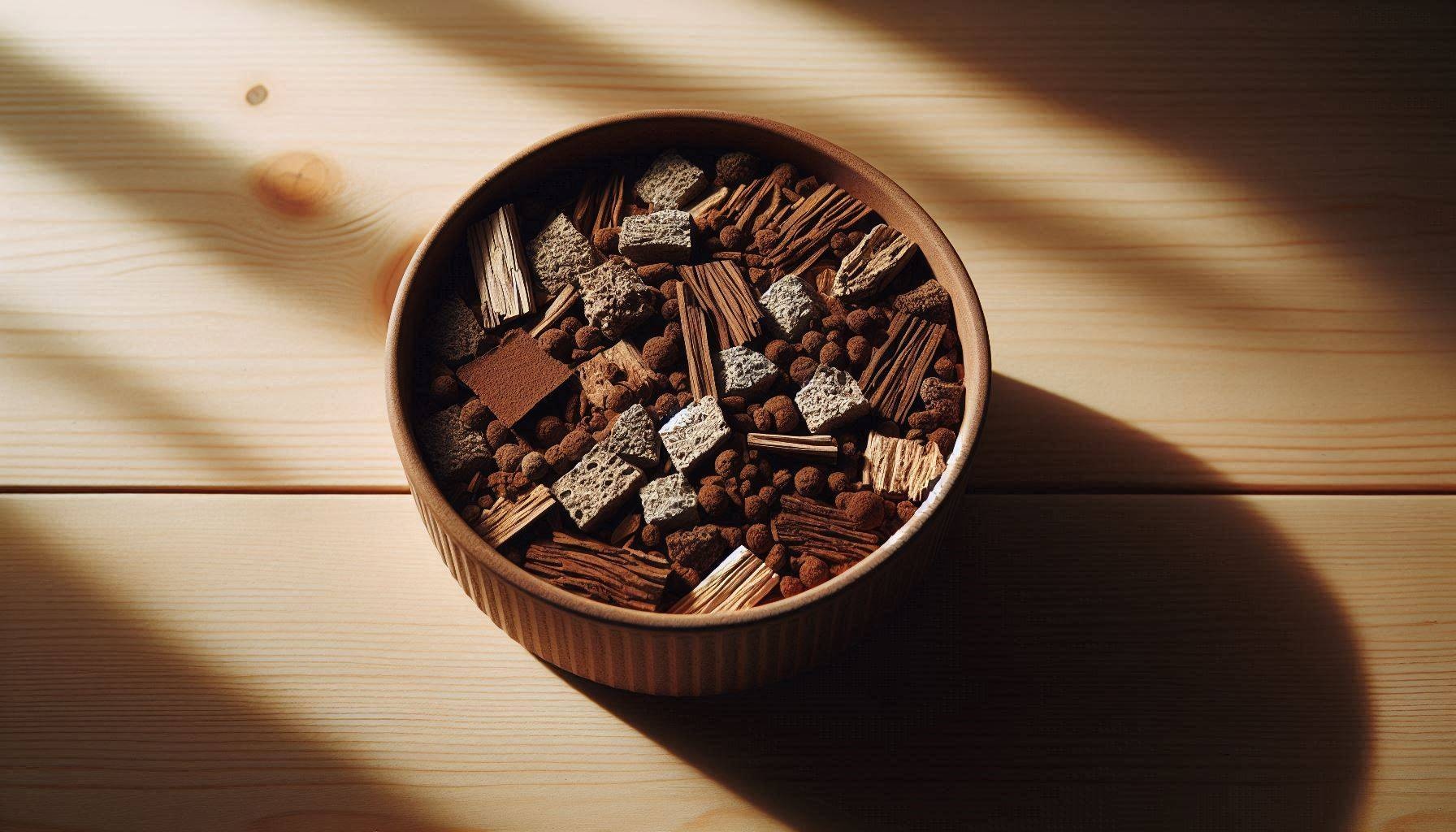
Repotting is best avoided during winter unless it is an emergency, such as treating severe root rot. Because plant growth slows down, roots take much longer to recover from the stress of repotting and to establish themselves in new soil. If repotting is necessary, handle the root system with extreme care, use a highly aerated mix, and avoid upgrading to a significantly larger pot, which can retain too much moisture.
Action Takeaway
To winter-proof a rare plant collection, immediately assess the grow space for temperature drops below 55°F, reduce watering frequency to match the slower winter growth rate, and ensure humidity remains above 50% using humidifiers or enclosed cabinets. Consistent monitoring of these environmental factors will preserve delicate foliage until the spring growing season returns.