The three-digit price tags on many popular houseplants often cause immediate sticker shock. The simple reason some specimens cost hundreds of dollars comes down to a combination of high demand, limited supply, slow growth cycles, and the immense labor required to produce stable, healthy plants. When a particular plant cannot be easily mass-produced in a commercial greenhouse, its market value naturally increases.
Understanding the factors that drive these premium prices can help collectors make informed purchasing decisions. Rather than reflecting arbitrary markups, the cost of these plants is deeply rooted in botanical challenges, transport risks, and basic economic principles.
The Economics of High-Value Houseplants
To understand the cost of expensive houseplants, one must first look at the basic principles of supply and demand. Unlike common tropical plants that are grown by the millions in highly automated facilities, specimens with unique genetics require highly specialized attention.
The concept of rare plant value is closely tied to how difficult a plant is to source. When a new cultivar or a rare species captured in wild habitats becomes popular on social media, thousands of collectors suddenly want the same plant. Because growers cannot instantly produce thousands of mature, rooted specimens, the scarcity drives the price up at auctions and retail shops.
Key economic factors driving plant prices include:
- Outsized consumer demand versus extremely limited nursery stock.
- High losses during the initial propagation phase of delicate species.
- The extensive time investment required to grow a specimen to a marketable size.
For those interested in how these factors influence the market over time, reading about Why Are Rare Houseplants So Expensive? Pricing Explained offers a deeper look into the pricing structures of specialty nurseries.
Slow Growth Rates and Propagation Obstacles
Many high-value houseplants belong to genera such as Philodendron, Monstera, or Anthurium. While some common varieties grow rapidly, many highly sought-after species are notoriously slow growers. A single new leaf might take several weeks or even months to unfurl.
Because propagation requires taking stem cuttings with active nodes, a grower can only produce new plants as fast as the mother plant grows. If a mother plant only produces six new nodes a year, that nursery can only create six new plants annually from that specimen. This biological bottleneck directly impacts plant rarity and keeps prices high for years.
Additionally, propagating these plants is not always successful. Cuttings can rot, fail to develop roots, or succumb to environmental stress. The cost of a retail plant often factors in the losses a grower sustained while trying to propagate the batch.
The Instability of Variegation and Mutations
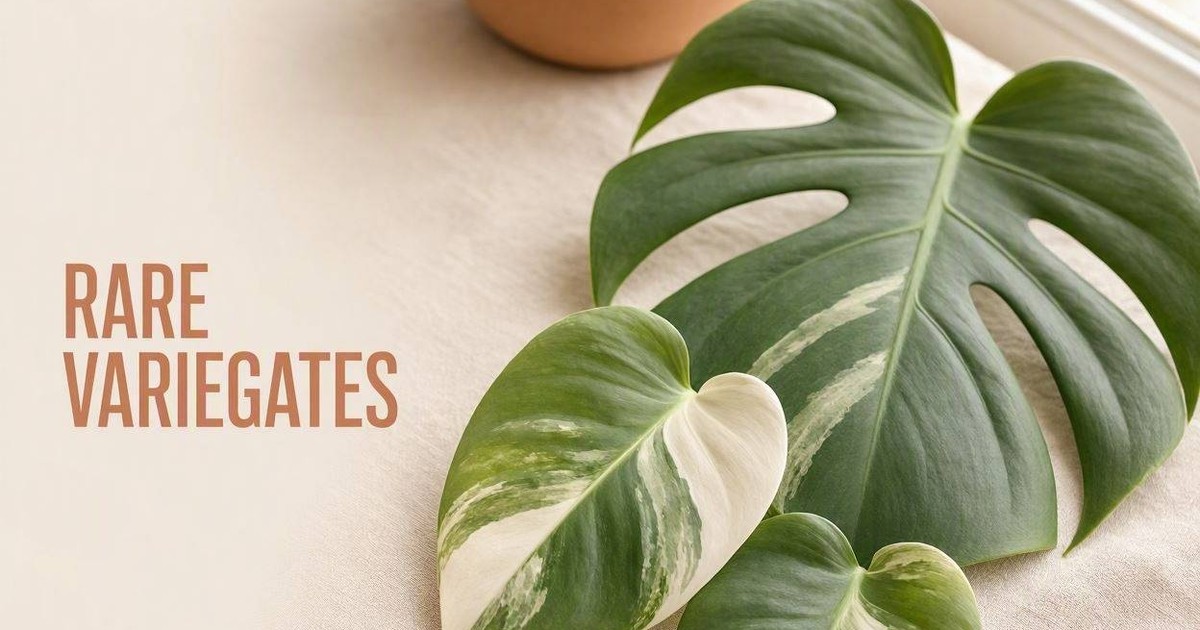
Variegated plants—those with white, yellow, or cream marbling on their leaves—are highly prized, but this beauty comes at a high biological cost. Variegation is often the result of a chimeric mutation, meaning the plant has two different types of plant tissue. One tissue type produces chlorophyll, while the other does not.
Because variegated cells lack chlorophyll, these sections cannot photosynthesize. This makes the plant weaker, slower-growing, and far more sensitive to light and environmental changes. Furthermore, this type of mutation is highly unstable.
An observable loss of variegation is a common challenge for growers. When a variegated plant begins producing solid green leaves, it is often a survival mechanism to increase photosynthesis, though it can also be triggered by low light levels. To learn how to manage this risk and protect an investment, collectors can read The Heartbreak of Reversion: Why Your Variegated Monstera is Turning Green (and How to Save It) for guidance on preserving colorful foliage.
The Complexities and Risks of International Importation
Many rare plants originate in tropical regions such as Southeast Asia or South America. Importing these plants to other parts of the world is a complex, risky, and expensive endeavor. Importers must navigate strict international regulations, obtain phytosanitary certificates, and pay customs duties.
Once approved, the plants are packaged and shipped across the globe, often spending days in dark, temperature-uncontrolled cargo holds. The physical toll on the plants is immense, leading to several common issues upon arrival:
- Root rot due to excess moisture or condensation in transit.
- Severe dehydration and leaf drop from shock.
- Complete loss of foliage due to extreme cold or heat damage.
- Quarantine holds or destruction by agricultural inspectors if pests are detected.
When imported plants arrive, they must undergo a lengthy acclimation period. A grower might spend months nursing a semi-dead import back to health before it is stable enough to be sold. These rehabilitation costs are naturally reflected in the final retail price.
Labor-Intensive Care and Specialty Equipment
Keeping delicate species alive requires more than just a windowsill and a watering can. Specialized nurseries must invest heavily in infrastructure to mimic the natural tropical habitats of these specimens. This includes high-end humidifiers, climate-controlled greenhouses, specialized grow lights, and automated ventilation systems.
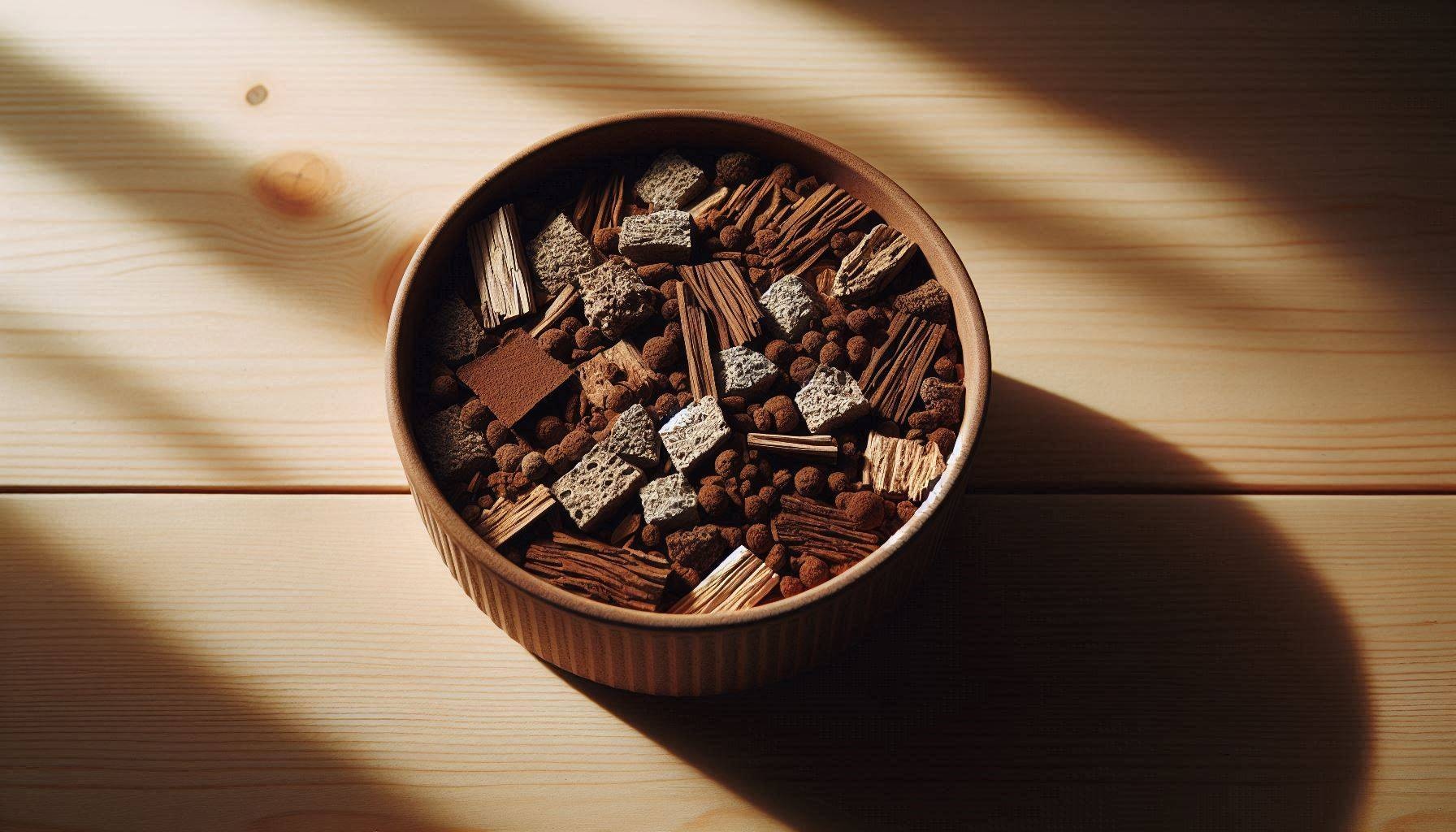
Furthermore, the soil mixes used for rare plants are often custom-blended, utilizing expensive components like premium orchid bark, tree fern fiber, coarse perlite, and high-grade sphagnum moss. The hands-on labor required to monitor humidity, check for pests, adjust lighting, and water each plant according to its specific needs requires significant expertise and time, which raises the value of the finished plant.
How to Navigate the Rare Plant Market Safely
For those who wish to enter the world of high-end plant collecting, doing so mindfully can save hundreds of dollars and prevent immense frustration. It is highly recommended to start with smaller specimens or established cuttings rather than purchasing large, mature plants, which carry much higher price tags.
Before making a purchase, researching the specific environmental needs of the species is vital. High-value plants are unforgiving of care mistakes, so having the proper setup—such as a cabinet greenhouse or a dedicated grow-light system—should happen before the plant arrives.
For those who want to experience the joy of rare species without the steep financial barrier, exploring strategic purchasing methods is highly beneficial. Helpful tips on starting small can be found in the guide on Building a Rare Plant Collection on a Tight Budget.
Frequently Asked Questions
Why are some variegated plants much cheaper than others?
Variegation stability and propagation methods dictate the price. Plants like the Variegated Monstera deliciosa are expensive because they must be grown from stem cuttings to keep their variegation, which is a slow process. Other plants can be mass-produced via tissue culture or hold highly stable genetic variegation, making them much easier to supply in large quantities.
Will the prices of expensive houseplants eventually drop?
In many cases, yes. When a plant is first introduced, supply is extremely low, and prices are high. Over time, as more nurseries acquire mother plants and successfully propagate them, the market supply increases, which typically causes the price to stabilize or decrease.
What is the safest way to buy a high-value plant online?
To minimize risk, purchase from established sellers who provide actual photos of the specific plant being sold, rather than stock photos. Ensure the seller packages the plant securely with heat packs if shipping during cold weather, and always check customer reviews regarding the seller’s shipping and communication policies.
Summary of Key Actions for Buyers
Before purchasing a high-value houseplant, evaluate the growing environment at home to ensure it meets the specific humidity, temperature, and light requirements of the species. Invest in high-quality potting mediums and appropriate lighting systems first, start with smaller, fully rooted specimens to minimize financial risk, and purchase only from reputable growers with verifiable customer feedback. Always follow product labels carefully when applying any fertilizers or pest-control products to delicate foliage.