
Understanding what determines rare plant prices is essential for anyone interested in navigating the indoor gardening market. The cost of a highly coveted botanical specimen is not arbitrary; it is shaped by a complex interplay of genetic stability, propagation difficulty, growth speed, market demand, and the logistical challenges of transport. By analyzing these factors, enthusiasts can make informed purchasing decisions, protect their investments, and avoid overpaying for specimens that may soon become widely available on the mass market.
The market for unique foliage operates differently from standard nursery retail. While a common pothos or spider plant can be easily mass-produced in massive quantities, highly specialized cultivars require precise conditions and significant time to develop. This structural difference creates a distinct pricing model that reflects both the horticultural effort required to keep these plants alive and the level of interest from the collecting community.
The Influence of Market Demand and Scarcity
The primary driver of rare plant prices is the classic economic principle of supply and demand. When a unique mutation or a newly discovered wild species first enters the retail space, the available supply is extremely limited. At the same time, online communities and social media platforms can rapidly inflate demand, causing a spike in the perceived rare plant value. This imbalance creates a highly competitive environment where collectors are often willing to pay premium rates to acquire a specific specimen before others do.
However, this initial price spike is rarely permanent. As commercial growers acquire parent stock and refine their propagation techniques, they slowly increase the global supply. When engaging in collecting houseplants, keeping track of these production trends helps buyers decide whether to purchase a highly sought-after plant immediately or wait for the supply to catch up, which naturally brings the price down to a more accessible level.
Growth Speed and Propagation Complexity
Some species grow at a fraction of the speed of common trailing houseplants. A slow-growing plant requires months, or even years, of specialized greenhouse care before it reaches a sellable size. Growers must invest continuously in climate control, specialized substrates, pest management, and physical space to maintain optimal conditions for these slow-growing specimens. These ongoing operational costs are inevitably reflected in the final retail price.
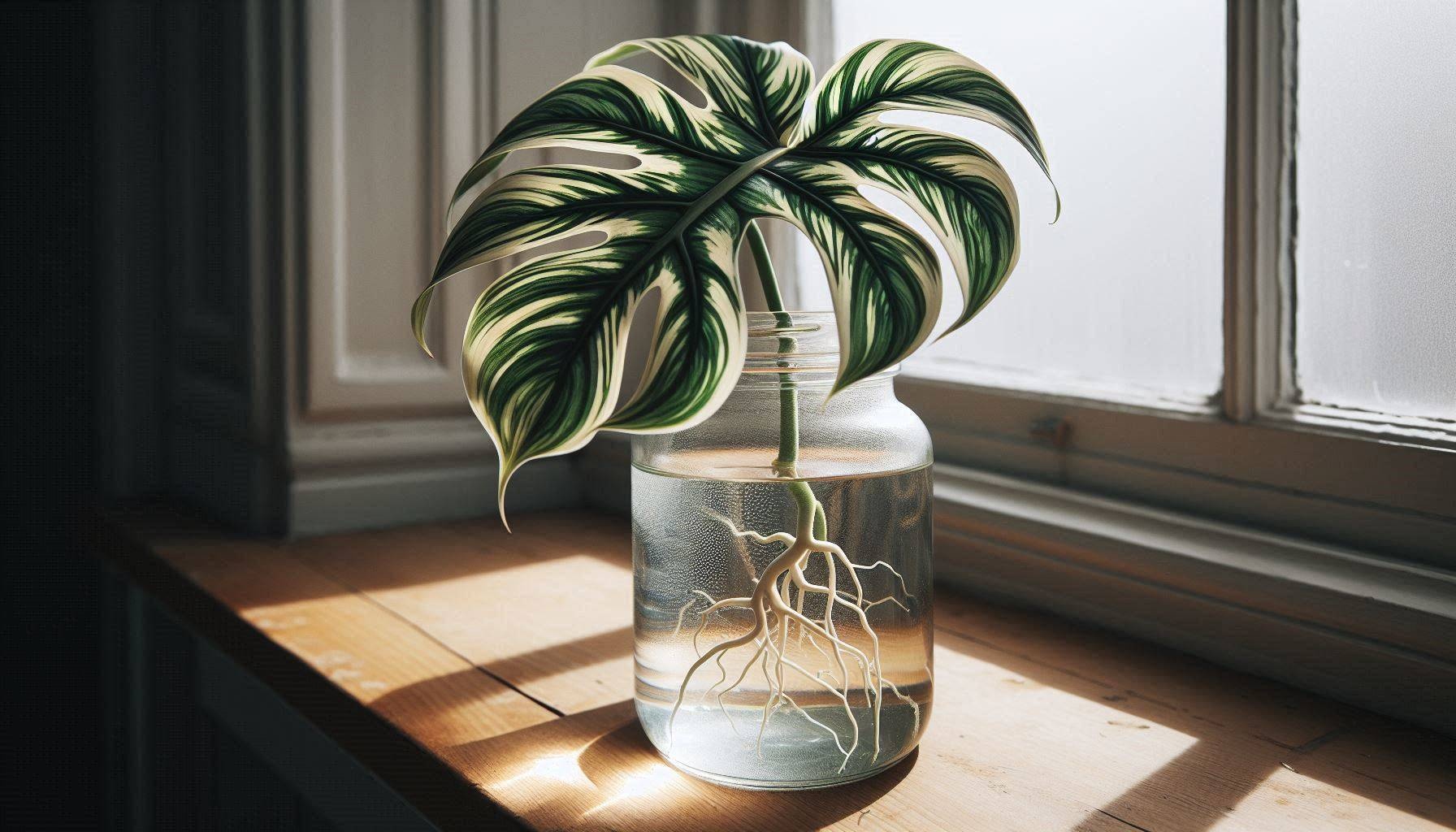
Furthermore, propagation methods significantly impact market value. While some plants propagate easily from simple stem cuttings in water, others require complex laboratory setups. Many rare species are propagated via tissue culture, which requires sterile environments and precise hormone balances to encourage cell division. For those curious about the financial viability of these laboratory-grown specimens, exploring Is It Worth Buying Tissue-Cultured Rare Plants? An Honest Guide for Hobbyists can provide valuable clarity on whether these options represent a sound investment for an average home grower.
Variegation Stability and Aesthetic Appeal
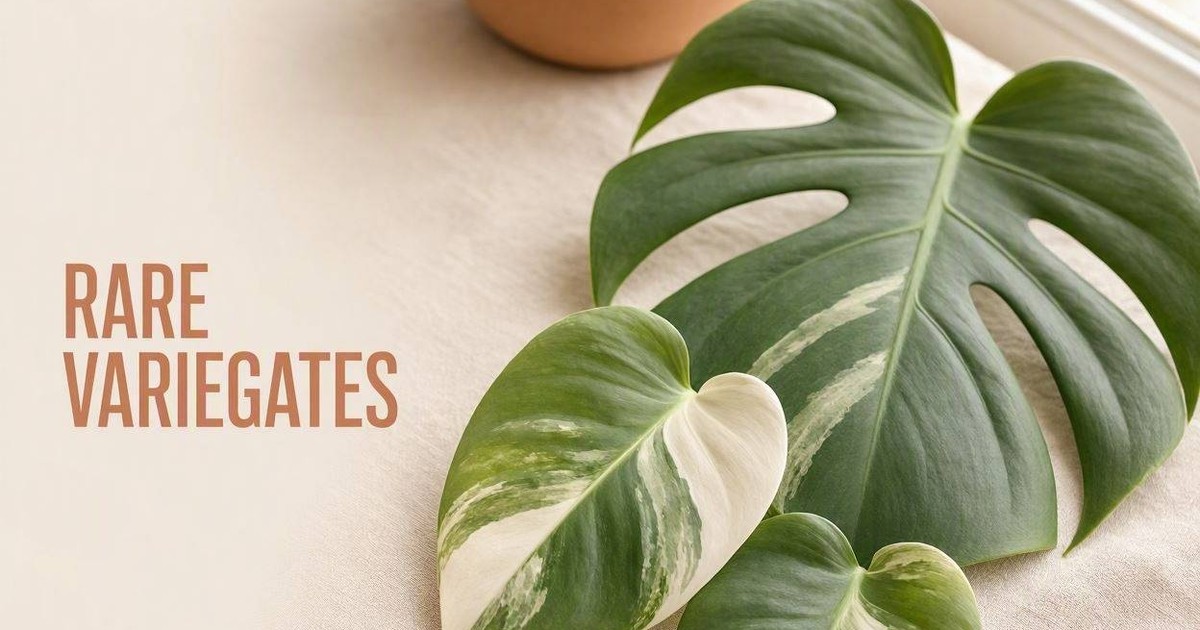
Variegation—the presence of white, cream, yellow, or light green patterns on leaves—is highly prized in the indoor gardening community. However, variegation is often the result of a chimeric mutation, which is inherently unstable. If a plant has a high probability of losing its variegation and returning to solid green, growers must spend significant effort selecting, pruning, and culling stock to ensure they only sell specimens with high-quality, stable patterning.
Because of this genetic unpredictability, plants with highly stable, striking variegation command a premium. Buyers often pay more for specimens with balanced, marbled patterns rather than those with blocky, high-white sectors, which are highly susceptible to browning and cell death. Understanding the genetic risks associated with these mutations is crucial, as detailed in The Heartbreak of Reversion: Why Your Variegated Monstera is Turning Green (and How to Save It), which explains the delicate balance of light and genetics required to keep these plants looking their best over time.
Importation Costs and Acclimatization Risks
Many rare tropical species originate in equatorial regions outside of domestic borders. Importing these specimens involves substantial financial risk and complex logistics, including phytosanitary certification, import permits, customs broker fees, and expedited international shipping. These expenses accumulate long before a single plant is ready to be offered to retail buyers.
Once the plants arrive, they frequently suffer from shipping stress, which can lead to leaf drop, root dehydration, or cosmetic blemishes. Importers must invest weeks or even months acclimating these delicate specimens to domestic home environments, providing high humidity and careful monitoring. The retail price of an acclimated, domestically grown rare plant reflects the risk of loss that the importer absorbed during this critical transition period, making acclimated plants a much safer purchase than fresh imports.
Plant Health, Maturity, and Root Development
A plant’s physical maturity and root health directly dictate its retail cost. A fully established, mature plant with a robust root system and multiple leaves will always command a higher price than a fresh, unrooted cutting. Buying unrooted cuttings is a cheaper entry point, but it carries a much higher risk of failure for the buyer.
When evaluating a plant’s health, it is important to separate observable signs from possible causes. For example, if a rare specimen displays yellowing lower leaves, soft stems, or leaf spotting, these signs could point to several potential issues, such as moisture stress, natural shedding of old foliage, transport shock, or root decay. It is critical not to assume one specific diagnosis immediately.
To protect an investment, buyers should carefully inspect the root system whenever possible. Healthy roots are typically firm, while mushy or dark roots suggest a serious issue. If one suspects root issues in a newly acquired specimen, learning How to Spot and Treat Philodendron Root Rot Before It’s Too Late can help salvage the plant. If treatments are necessary, always follow the manufacturer’s instructions on commercial root inoculants or fungicides, and avoid applying unapproved, highly concentrated household chemical mixtures directly to delicate root tissue.
Smart Purchasing Practices for Collectors
When navigating the online marketplace for high-ticket botanical items, caution is paramount. The high pricing of coveted specimens unfortunately attracts fraudulent activity. Buyers should research sellers thoroughly, request photos of the actual plant being purchased, and avoid deals that seem too good to be true. Reading through Spotting Rare Plant Scams Online: A Houseplant Buyer’s Guide can help collectors identify common red flags and make secure transactions.
Here is a quick checklist for buyers to use before purchasing a high-value specimen:
- Verify root development: Request clear photos of the root system, ensuring roots are firm and active, not just a fresh cutting pushed into soil.
- Assess variegation quality: Examine the stem and growth point to ensure balanced variegation, reducing the risk of future reversion.
- Compare market rates: Look at completed sales on multiple platforms to gauge the current average pricing for the specific size and variety.
- Inquire about acclimatization: Determine if the plant was grown locally or recently imported, as imports require a longer transition period in the home.
Frequently Asked Questions
Why do prices for the same rare plant species vary so much between different sellers?
Prices vary based on plant size, root maturity, leaf count, the quality of variegation, and whether the plant is domestically acclimated or a fresh import. Reputable nurseries that invest time in acclimating imports and offering health guarantees typically charge more than private sellers offering fresh, unrooted cuttings.
Will the price of a currently expensive rare plant always drop eventually?
In most cases, yes. As commercial nurseries adopt micropropagation and refine cultivation techniques, production volume increases, which typically drives down market prices. However, plants with highly unstable mutations or extremely slow growth rates may maintain a premium price for longer periods because they cannot be easily mass-produced.
Is it safer to buy an unrooted cutting or an established plant?
An established plant with an active, healthy root system is significantly safer, especially for those new to delicate cultivars. Unrooted cuttings are cheaper but require precise humidity, temperature, and moisture control to develop roots, presenting a much higher risk of rot or desiccation during the propagation process.
Evaluate the root system, genetic stability, and acclimatization status of a rare plant before purchasing to ensure the price aligns with the specimen’s long-term viability.