Protecting rare, variegated houseplants from pests requires a delicate balance of swift eradication and tissue preservation. Variegated foliage—which contains white, cream, or yellow sectors—lacks the protective chlorophyll and robust cell structure found in solid green leaves. Consequently, standard, aggressive chemical treatments frequently cause irreversible cosmetic damage, chemical burns, or rapid browning of those highly prized variegated patches. The most effective solution lies in a conservative, multi-phase approach: physically removing the pests, applying mild, non-oil-based treatments during low-light hours, or utilizing biological controls that leave the delicate foliage completely unharmed.
Understanding the Vulnerability of Variegated Foliage
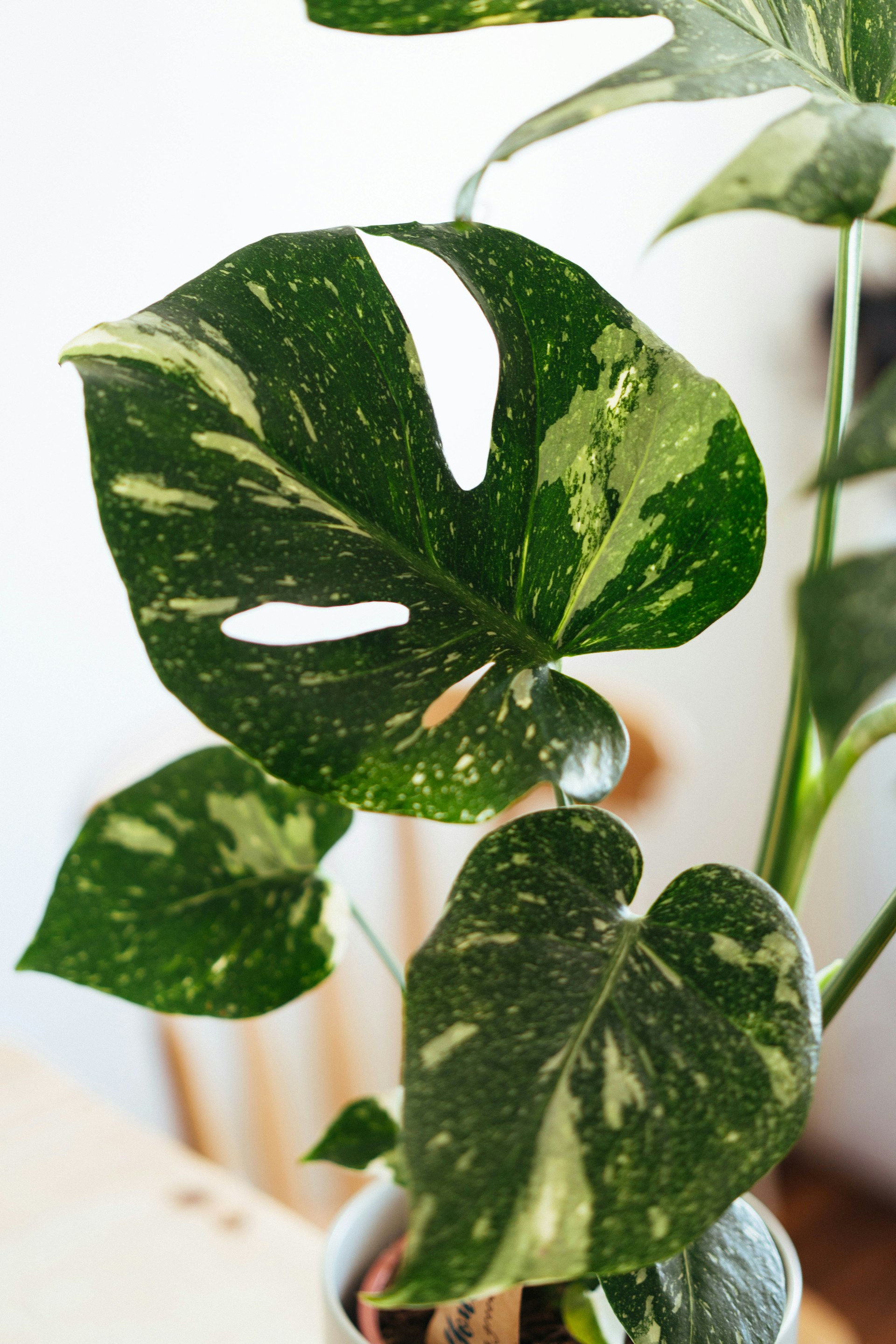
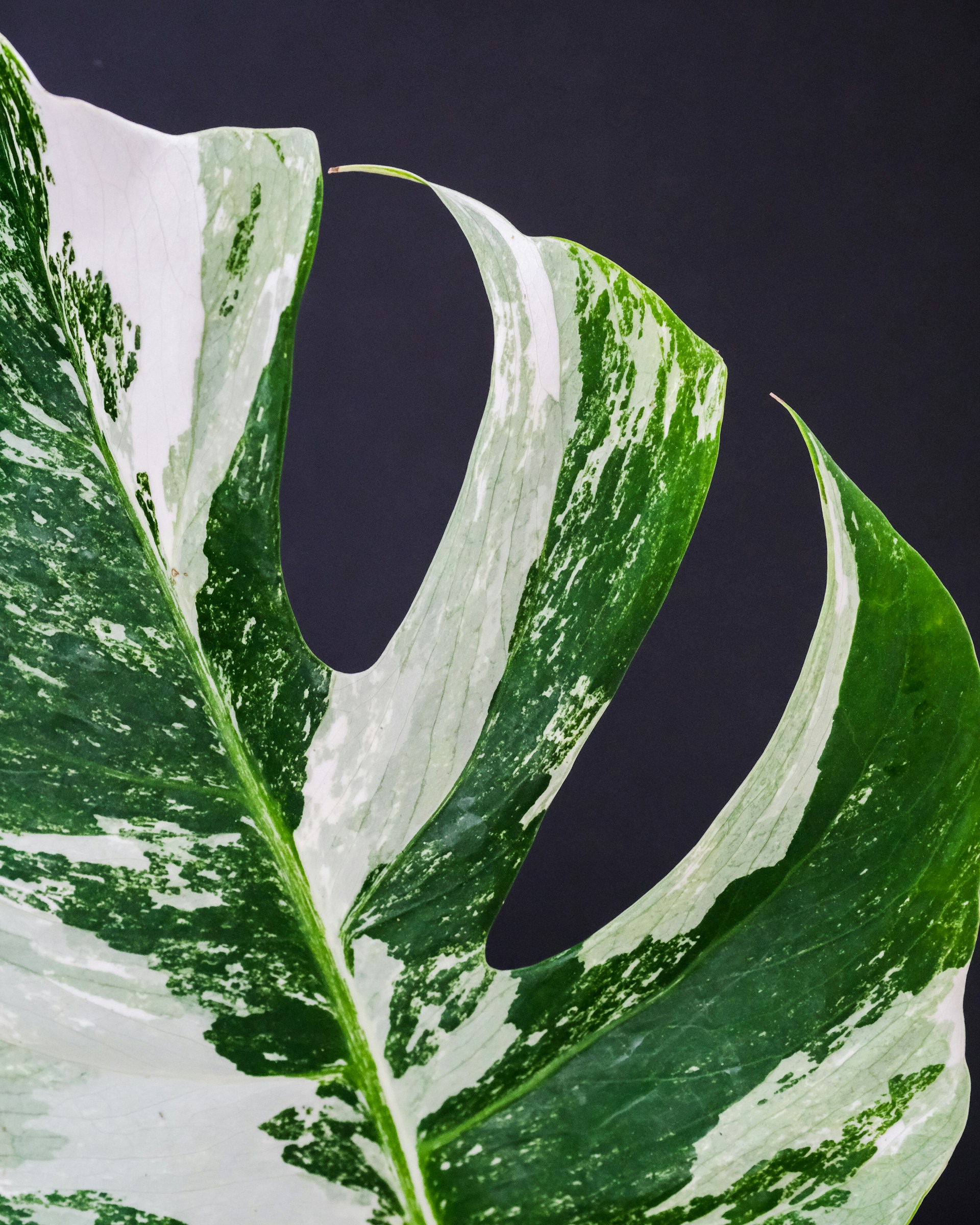
Variegated sectors on leaves have thin cuticles and lack protective pigments, making them highly prone to cell collapse when exposed to harsh chemicals, extreme temperatures, or prolonged moisture. When dealing with delicate specimens, such as an Albo Monstera or a highly variegated Philodendron, standard pest control approaches can trigger rapid tissue degradation.
Because the non-green portions of the leaf cannot photosynthesize, they operate under a continuous energy deficit, leaving them with fewer physiological defenses against chemical sprays. For those concerned about maintaining the delicate balance of these unique specimens, understanding how variegation behaves is crucial; a deeper dive into the mechanics of these plants can be found in the guide on The Heartbreak of Reversion: Why Your Variegated Monstera is Turning Green (and How to Save It). Applying oil-based or alcohol-heavy solutions to these weak zones can break down the leaf’s natural waxy barrier, leading to rapid translucent spots that eventually turn brown or black.
Distinguishing Visual Symptoms from Specific Causes
Successful treatment begins with accurate observation. It is critical to separate the physical signs observed on the foliage from a definitive diagnosis, as many symptoms of pest damage closely mimic environmental stress.
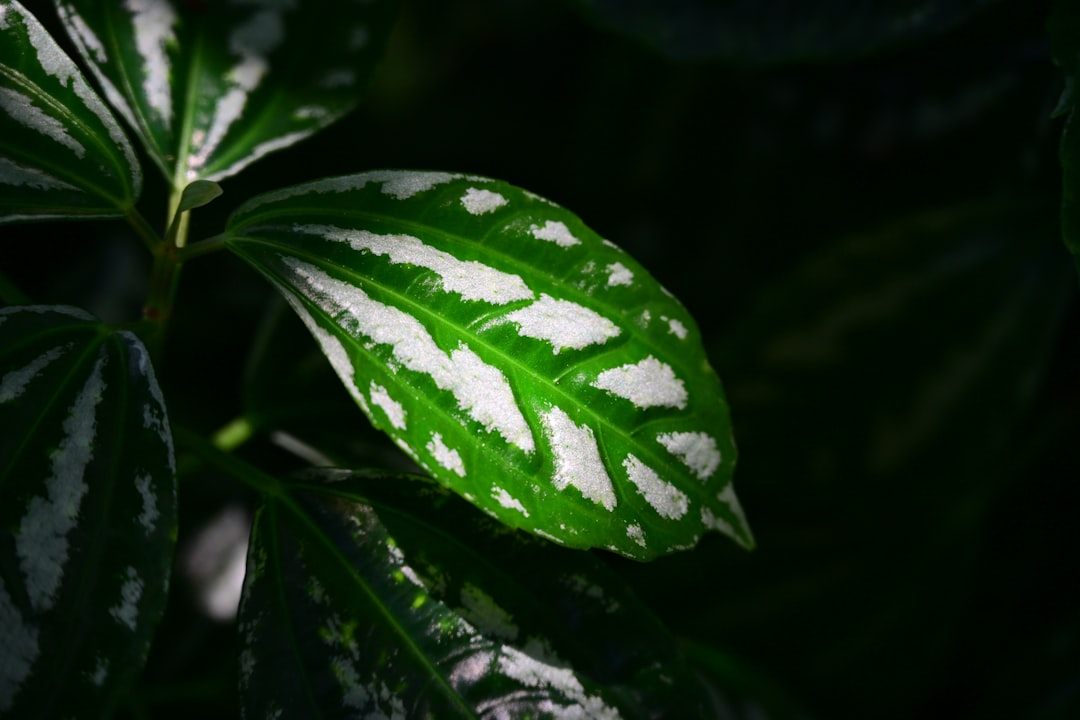
- Silver or Bronze Patches: While this distinctive stippling often points to thrips damage, it can also be caused by mechanical scraping, low humidity, or minor cold drafts.
- Fine, Dusty Webbing: Often associated with spider mites, fine webbing underneath leaf joints can also occasionally be caused by common household spiders or simple dust accumulation.
- Tiny Black Droplets: Small, tar-like spots on the undersides of leaves frequently point to thrips frass, though they can sometimes be confused with physiological spotting, edema, or fungal spores.
- Yellowing Margins or Spots: Chlorosis on the edges of variegated leaves can be a sign of root issues, underwatering, or light burn, rather than active pest activity.
Carefully inspecting the plant with a magnifying glass helps isolate the actual cause. Once the issue is confirmed, a targeted thrips treatment or mite management plan can be initiated without subjecting the plant to unnecessary chemical stress.
Gentle Physical Removal and Isolation Protocols
Before applying any therapeutic sprays, physical removal is the safest first step. This process reduces the pest population immediately without risking chemical interactions on delicate leaf tissues.
- Isolate Immediately: Move the affected plant to a dedicated quarantine space far away from the rest of the collection to prevent the pests from spreading to adjacent plants.
- Protect the Substrate: Wrap the pot and soil surface securely in a plastic bag. This prevents dislodged pests and larvae from falling into the potting medium, and prevents overwatering the root system during the washing process.
- Perform a Lukewarm Rinse: Bring the plant to a shower or sink and use lukewarm, low-pressure water to wash down the leaves. Direct the spray to the undersides of the leaves and the petiole junctions where pests frequently hide. Avoid high pressure, which can easily tear thin, variegated sectors.
- Manually Wipe the Foliage: Using a soft, damp microfiber cloth, gently wipe each leaf from petiole to tip. Support the back of the leaf with an open hand to prevent creasing or breaking the delicate white tissues.
Selecting Variegation-Safe Pest Control Houseplants Solutions
When physical washing is not enough to resolve the issue, selecting the right pest control houseplants strategy is critical to preserving the plant’s cosmetic appearance. Many standard commercial insecticides contain heavy carrier oils, petroleum distillates, or harsh synthetic chemicals that can strip the protective wax layer from variegated foliage, leading to rapid browning.
For a reliable thrips treatment, contact-based insecticidal soaps formulated specifically for organic gardening are generally preferred over heavy systemics that might alter leaf chemistry. When applying any commercial product, always read and follow the manufacturer’s label instructions carefully.
To target spider mites, specialized horticultural soaps or sulfur-based powders can be highly effective. However, concentrated neem oil should generally be avoided on highly variegated leaves under bright conditions. The oil can trap heat and block leaf pores, resulting in severe phototoxic burns on the white portions of the leaf. If an oil-based product must be used, apply it only in the evening and thoroughly rinse the foliage with distilled water the following morning before the plant is exposed to light.
The Biological Approach: Deploying Beneficial Insects
Biological control is arguably the safest and most effective method for managing pests on high-value variegated plants. Because beneficial insects do not rely on chemical active ingredients, there is zero risk of chemical burns, leaf yellowing, or cosmetic damage to the white sectors.
- For Spider Mites: Introduce predatory mites such as Phytoseiulus persimilis or Neoseiulus californicus. These tiny predators actively hunt and consume all life stages of target mites while ignoring the plant tissue entirely.
- For Thrips: Introduce Amblyseius swirskii or green lacewing larvae, which feed on thrips larvae on the foliage, alongside beneficial soil nematodes (Steinernema feltiae) to target the pupal stage in the soil.
These biological agents thrive in controlled microclimates with moderate warmth and elevated humidity. Managing ambient conditions is key to keeping these beneficial populations active; choosing the right setup can make a substantial difference, as detailed in the comparison of Humidity Tents vs Greenhouse Cabinets for Rare Plants.
Post-Treatment Care and Light Management
Once a treatment has been applied, the plant enters a highly vulnerable recovery phase. The combination of insect damage and the application of sprays makes variegated tissues extremely sensitive to light and temperature fluctuations.
Keep the treated plant in a shaded, well-ventilated area for at least 24 to 48 hours post-treatment. Direct sunlight or intense grow lights shining on damp leaves or leaves coated with residue can result in irreversible black scorch marks on the variegated sectors. For those adjusting their setup during recovery, understanding light requirements is essential; read more about these balances in How Much Light Do Your Rare Aroids Actually Need? A Real-Talk Guide to Happy Leaves. Ensure adequate air circulation around the plant to prevent moisture from pooling in the leaf sheaths or petioles, which could encourage secondary fungal or bacterial infections.
Frequently Asked Questions
Can isopropyl alcohol be used on variegated leaves?
Diluted isopropyl alcohol (70% concentration diluted to a 1:10 ratio with water) is sometimes used to spot-treat pests, but it must be applied with extreme caution on variegated areas. Alcohol can dehydrate the thin, non-green tissues rapidly, causing localized brown spots. Always spot-test a single lower leaf before applying it to the entire plant.
How often should treatment be applied to break the pest life cycle?
Treatments should generally be repeated every 5 to 7 days for at least three consecutive cycles to target newly hatched pests before they reach reproductive maturity. Always check the specific pest control product label for recommended reapplication intervals to ensure both safety and efficacy.
Will beneficial insects leave the plant and fly around the home?
Predatory mites and target-specific beneficial insects do not have wings and will remain on the foliage where their food source is located. Once the pest population is depleted, the beneficial insects will naturally die off or decrease in number without migrating into living spaces.
To protect variegated plants from pests without ruining their aesthetic appeal, isolate the plant immediately, use gentle water rinses to lower the pest count, apply diluted, non-oil-based soaps exclusively in the evenings, or utilize predatory beneficial insects for a completely chemical-free eradication process.