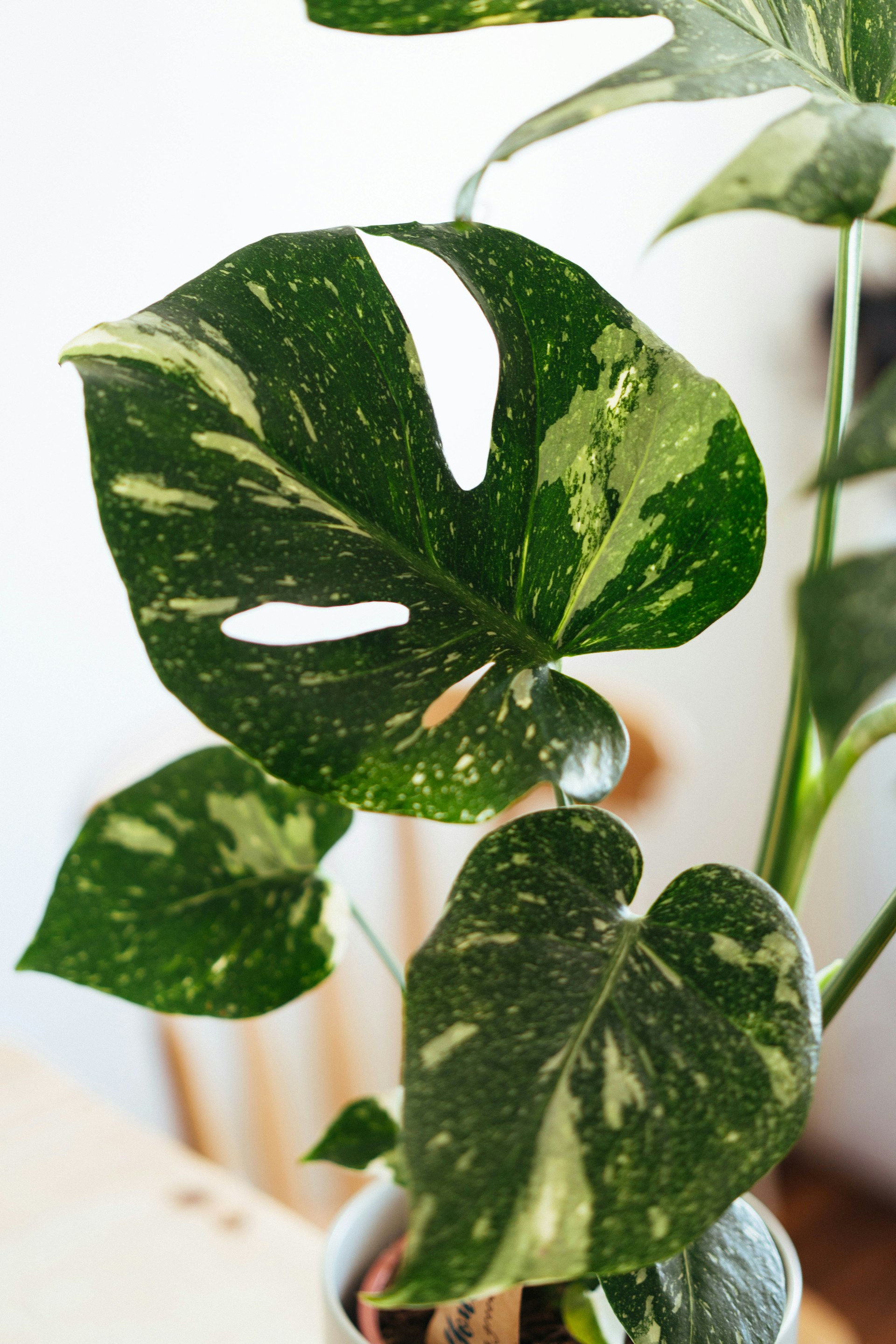
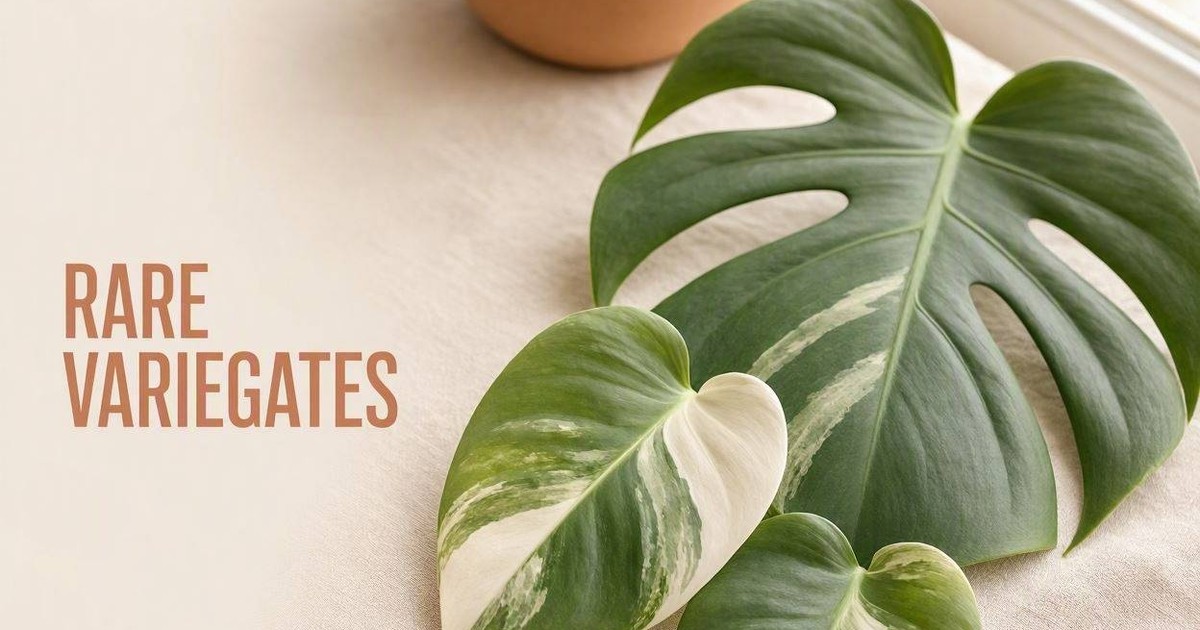
Rare and variegated houseplants have exploded in popularity over the last few years, with collectors paying anywhere from $50 to several thousand dollars for a single specimen. But rarity comes with a catch: many of these plants are less forgiving than common houseplants, and one small care mistake can set them back for months.
Quick answer: rare and variegated plants usually need brighter indirect light, more careful watering, higher humidity, and chunkier soil than common houseplants. The reason is simple: variegated leaves have less chlorophyll, so the plant has less energy to work with and recovers more slowly from stress.
This guide covers the fundamentals you actually need, with links to deeper articles for the most common collector problems.
Why Rare and Variegated Plants Need Different Care
Variegation — the white, yellow, or pink patches on leaves — happens because parts of the leaf lack chlorophyll, the pigment plants use to photosynthesize. That means a variegated leaf is, quite literally, working with less energy-producing tissue than a fully green one.
This has two practical consequences:
- Variegated plants generally need more light than their all-green counterparts, because there is less green tissue to capture it.
- They grow more slowly, so overwatering, root stress, and recovery from mistakes become bigger risks.
How Much Light Do Rare Plants Actually Need?
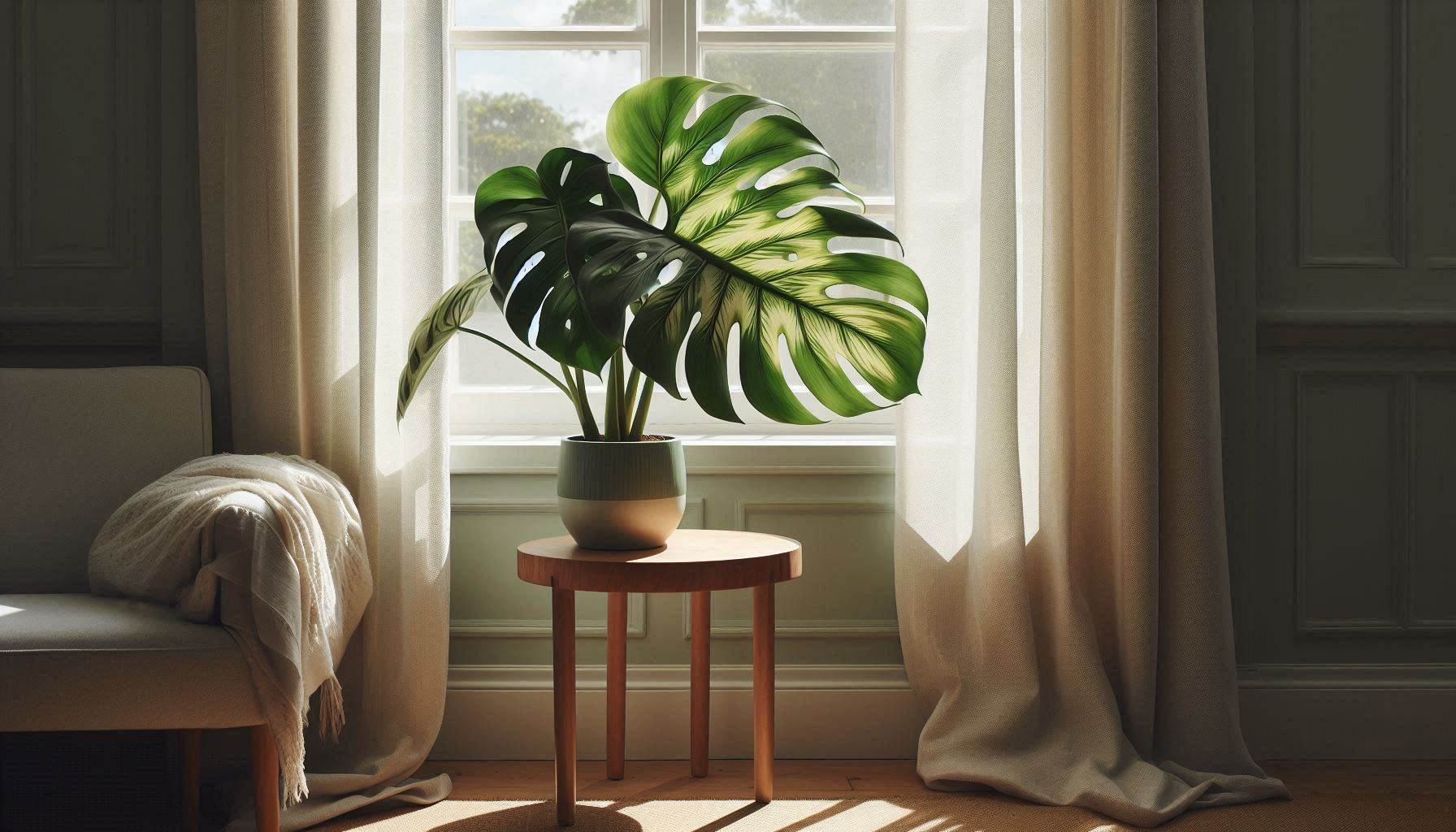
Most rare aroids — Monstera, Philodendron, and Anthurium varieties — want bright, indirect light. In practice, that usually means near an east- or west-facing window, or a few feet back from a south-facing one with filtered light.
Direct midday sun can scorch variegated leaves faster than solid green ones, since the pale sections have little or no chlorophyll to protect them. If a plant is stretching, losing color, or producing smaller leaves, it usually needs more light rather than more water.
👉 Full breakdown of light setups, wattage, and product picks: Best Grow Lights for Rare Houseplants
The #1 Mistake: Watering Too Often
The most common cause of trouble in rare plants is not underwatering — it is overwatering. Because variegated plants grow more slowly, their roots also use water more slowly, so the soil stays wet longer than many growers expect.
A safe starting point is to let the top 2–5 cm of soil dry out before watering again, then water thoroughly and let excess drain away. Always use a pot with drainage holes, and never let the plant sit in standing water.
If your plant’s variegation seems to be fading rather than the plant simply looking thirsty, inconsistent watering can be one of the causes.
👉 Why Is My Variegated Plant Turning Green?
Humidity: The Overlooked Factor
Most rare aroids come from tropical understories and prefer humidity above 50–60%. A pebble tray can help a little, but a humidifier or grouping plants together is usually more effective, especially in dry indoor environments.
Low humidity often shows up first as crispy edges or patchy leaf damage before other symptoms appear. If a plant looks dry even when the soil is wet, humidity may be the real issue.
Soil and Repotting
A chunky, well-draining aroid mix — usually bark, perlite, and sphagnum moss or coco-based material — helps prevent the root rot that kills more rare plants than pests do. The goal is to keep roots airy while still holding enough moisture for steady growth.
Repot only when the plant truly needs it, such as when roots circle the pot or the mix has broken down. Rare plants often resent unnecessary disturbance, so repotting too often can slow them down.
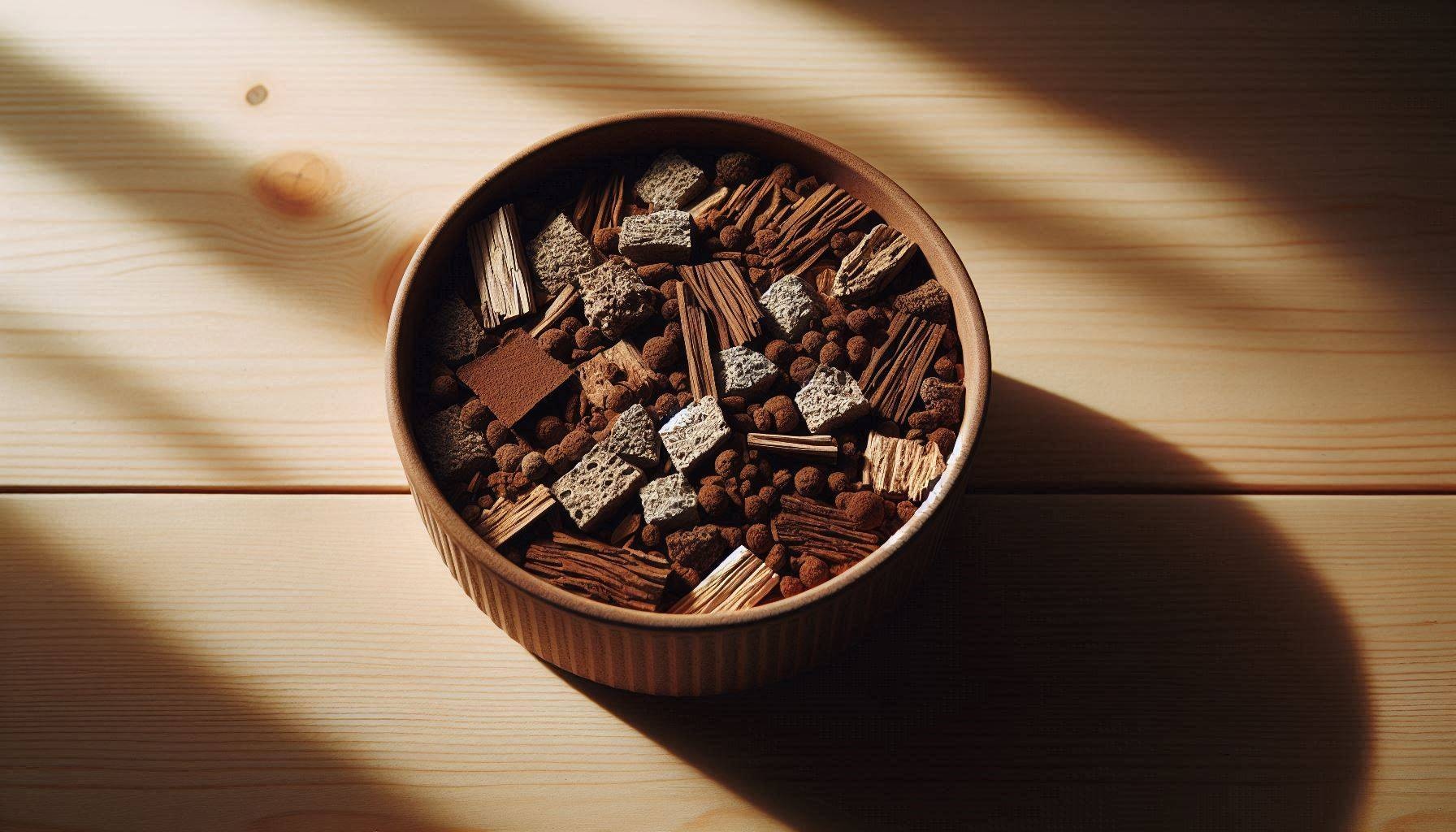
👉 Best Soil Mix for Variegated Monstera
Propagation: Turn One Plant Into Several
Propagating a rare plant is often how collectors offset the cost of an expensive specimen. Stem cuttings with at least one healthy node — and ideally some variegation on the cutting itself — can be rooted in water, sphagnum moss, or a very airy propagation mix.
The important part is not just getting roots, but making sure the cutting is healthy enough to support new growth once planted.
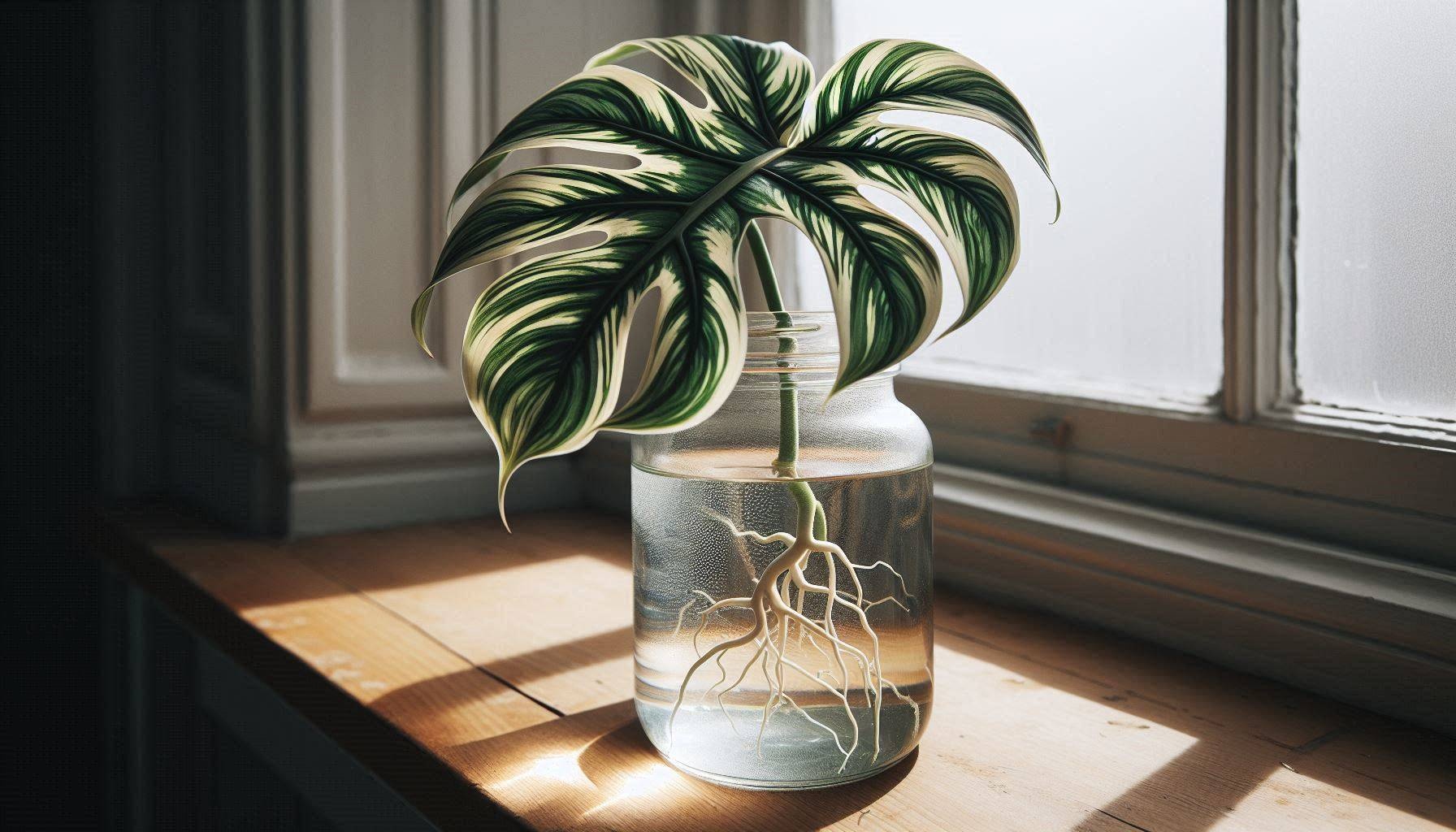
👉 Full step-by-step process: How to Propagate a Variegated Monstera
Common Problems Collectors Run Into
Two of the most common issues are covered in dedicated guides:
Final Thoughts
Rare and variegated plants are not inherently fragile — they just have less room for error than a pothos on a shelf. Once you get the basics right, most of them become surprisingly forgiving, long-lived collector plants.
📌 Keep Reading
New to rare plants? Start here: Best Grow Lights for Rare Houseplants — often the first upgrade that improves growth fast.
Already dealing with an issue? Jump to: Why Is My Rare Plant Losing Its Variegation?