
Plant Care
Spotting Rare Plant Scams Online: A Houseplant Buyer's Guide
Learn how to identify rare plant scams when buying plants online. Keep your collection and your wallet safe with our practical security checklist.
Practical rare houseplant care guides for Monstera, Philodendron, Anthurium and other aroids, covering variegation, light, soil, root rot, pests, propagation and buying guides.
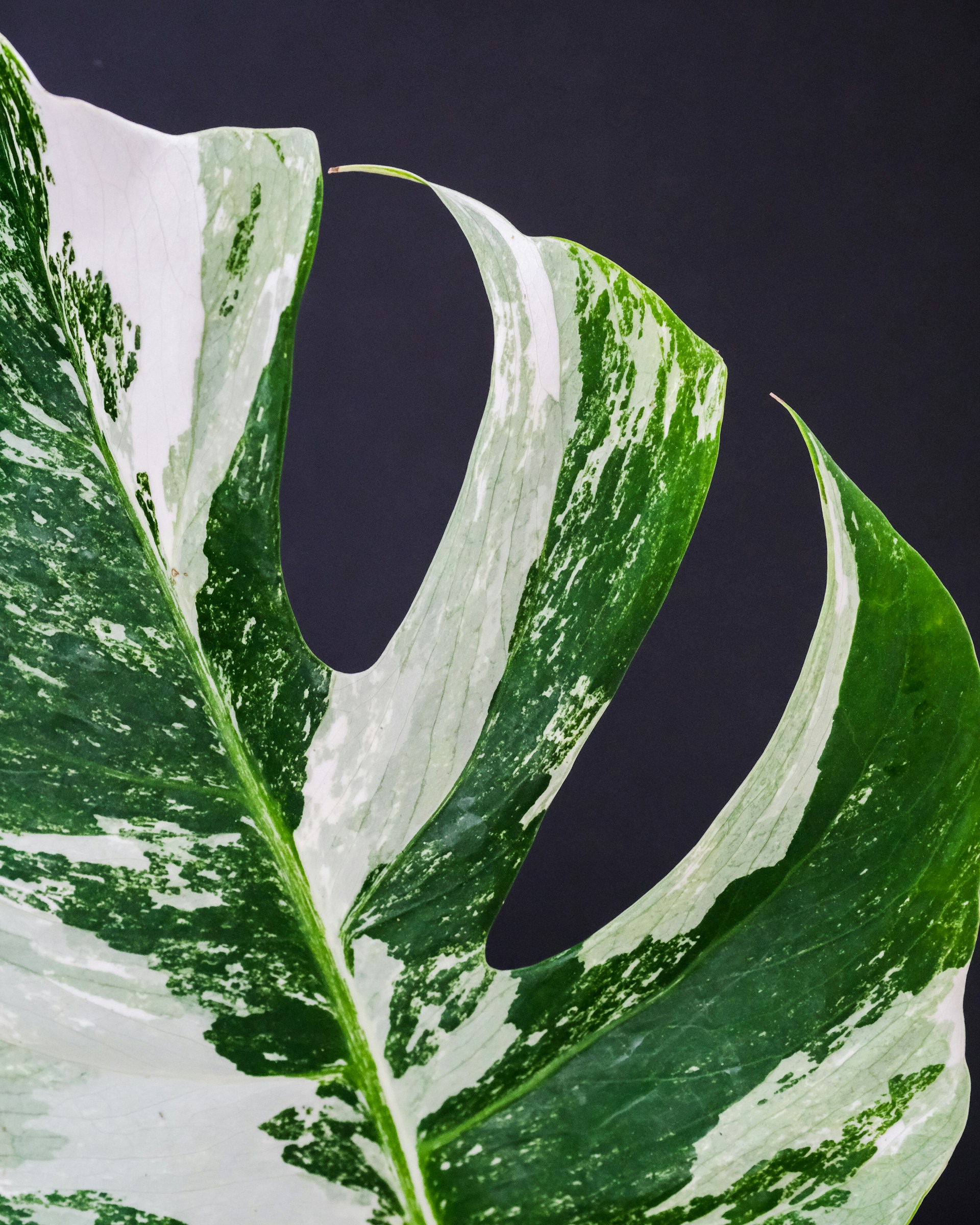
Learn how to identify rare plant scams when buying plants online. Keep your collection and your wallet safe with our practical security checklist.
Deciding between a humidity tent and a grow cabinet? Compare costs, control, and setups to choose the best environment for your rare houseplants.
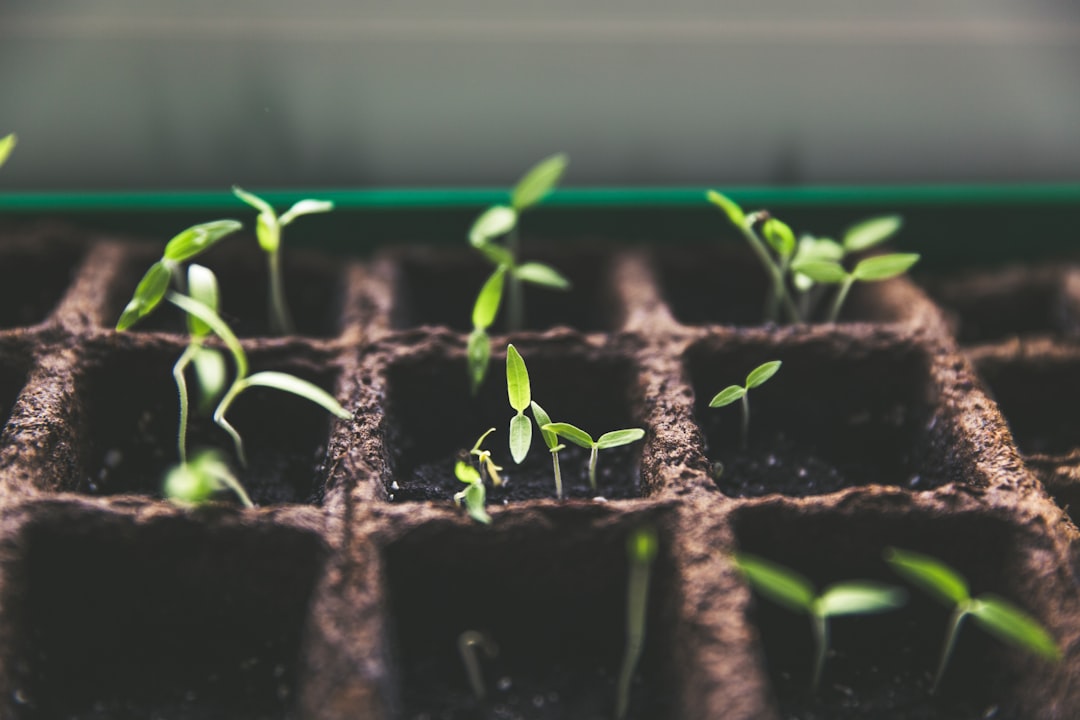
Thinking of buying tissue culture rare plants? Compare the real costs, risks, and acclimation steps before choosing a plantlet or established plant.
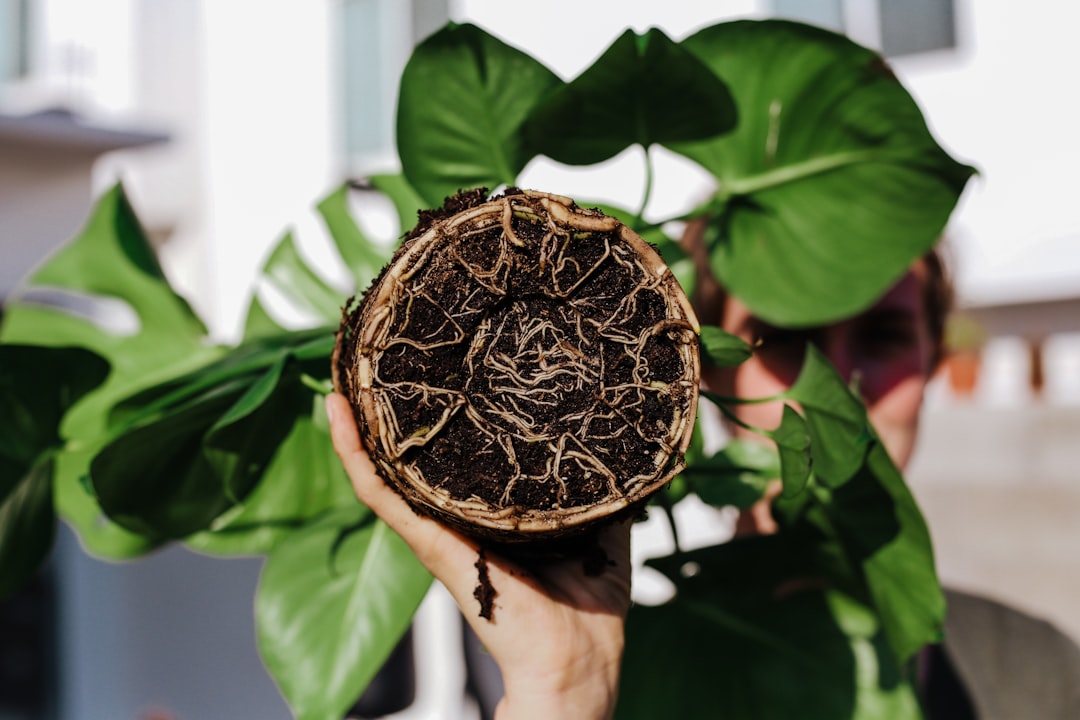
Yellow leaves alone don't confirm root rot. Here's how to check the roots properly, the exact treatment steps, and how to stop it coming back.
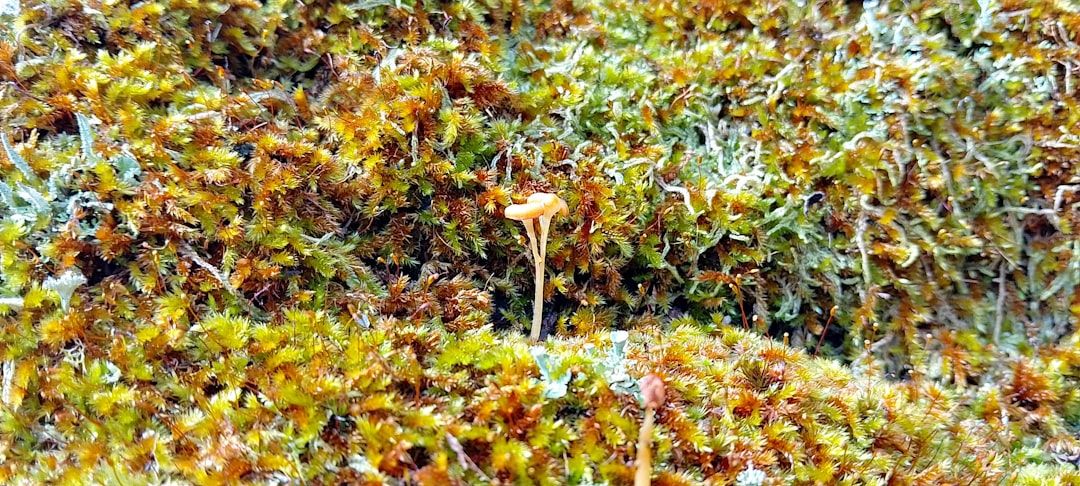
Use sphagnum moss for Monstera and rare plant propagation without suffocating the node. Learn moisture level, rot warning signs and when to transfer rooted cuttings.
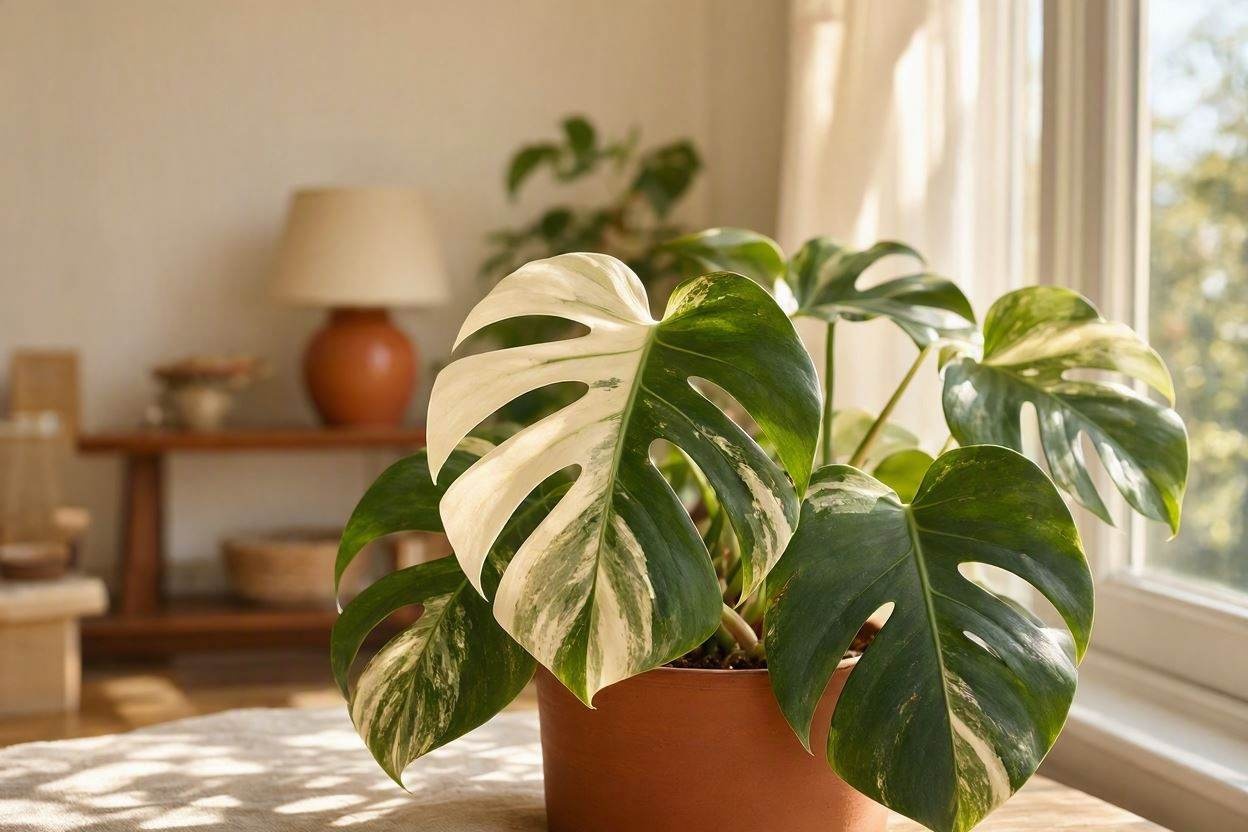
See a practical 100–800 FC light chart for Monstera, Philodendron, Anthurium and Alocasia, plus signs of too little light and grow-light timing.
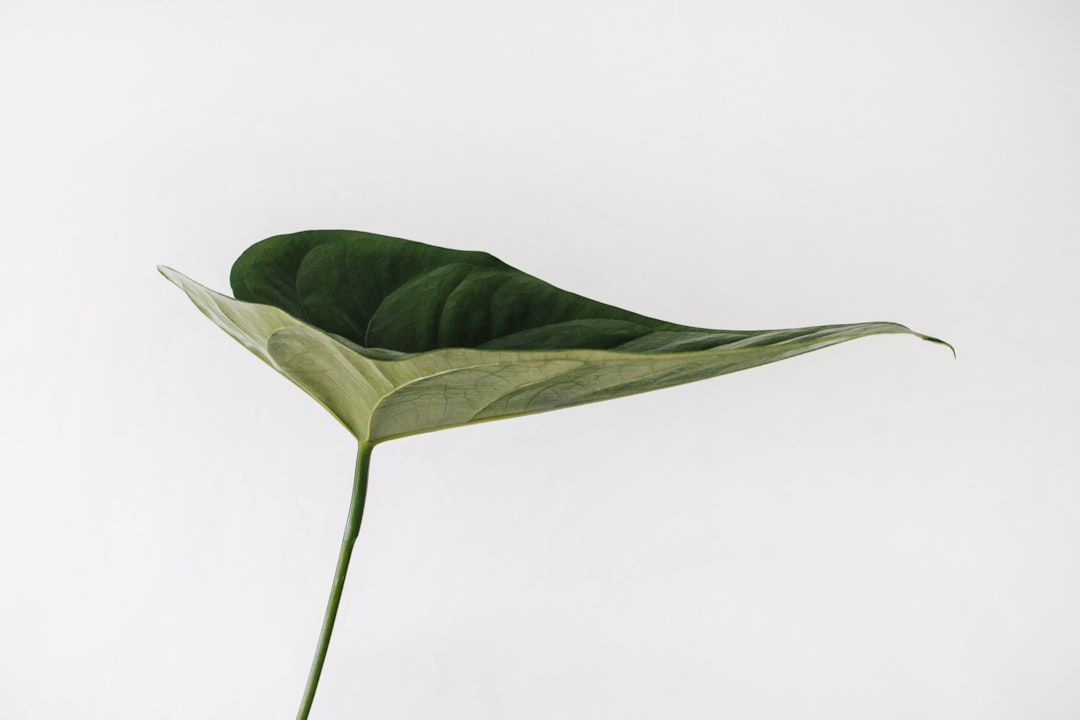
Watching your Monstera Albo turn green? Here's how to tell true reversion from normal growth, exactly where to cut, and your real odds of getting the variegation back.
Choose and set up grow lights for rare houseplants: compare coverage and intensity, set mounting distance and timing, and spot light that is too weak or strong.

The exact 40/30/20/10 soil recipe for Monstera Albo and Thai Constellation, plus how to adjust it for humidity, pot type and watering speed.
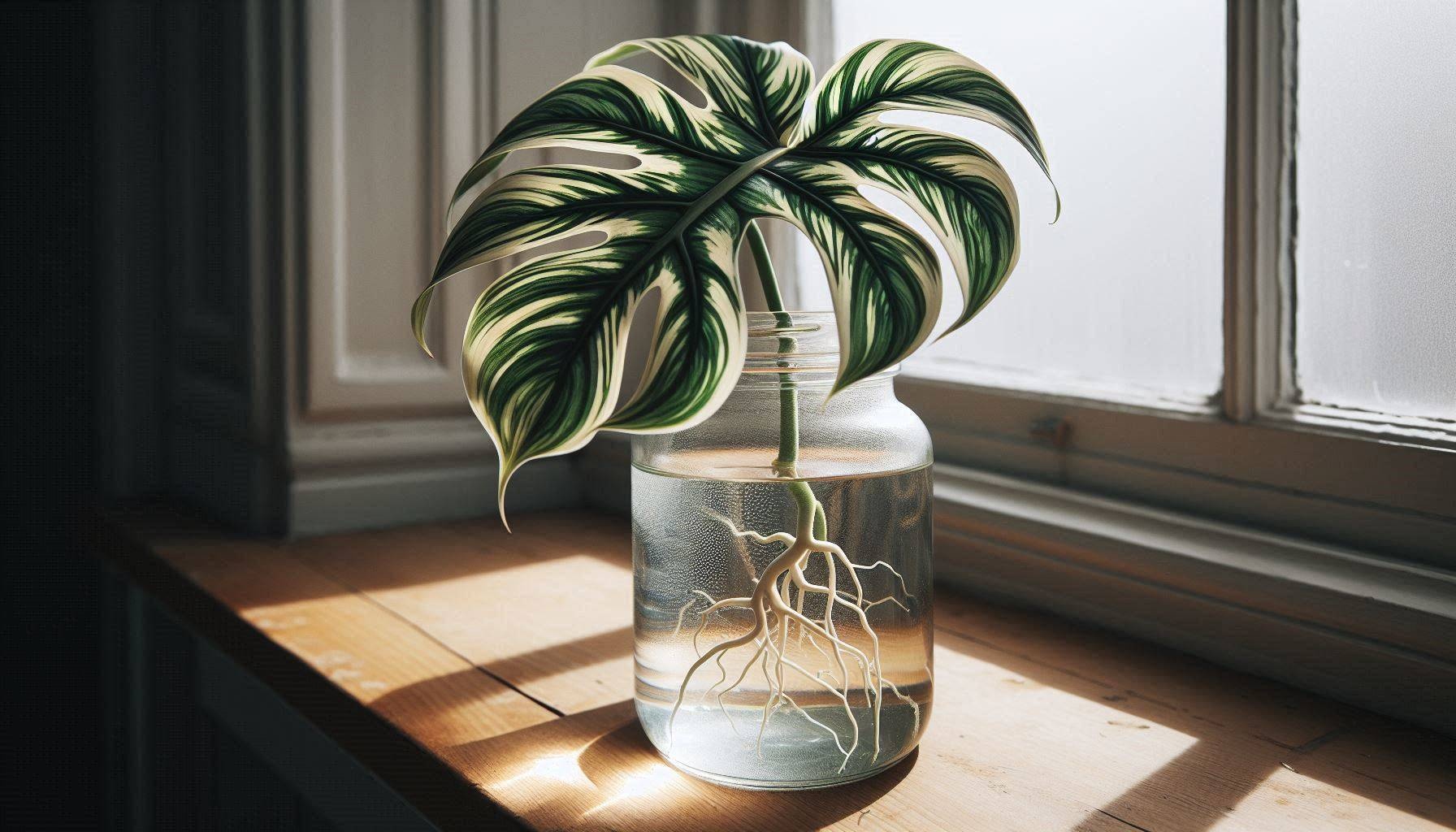
Step-by-step variegated Monstera propagation: which node to cut, water vs. sphagnum rooting, avoiding rot, and how to keep the cutting variegated instead of green.