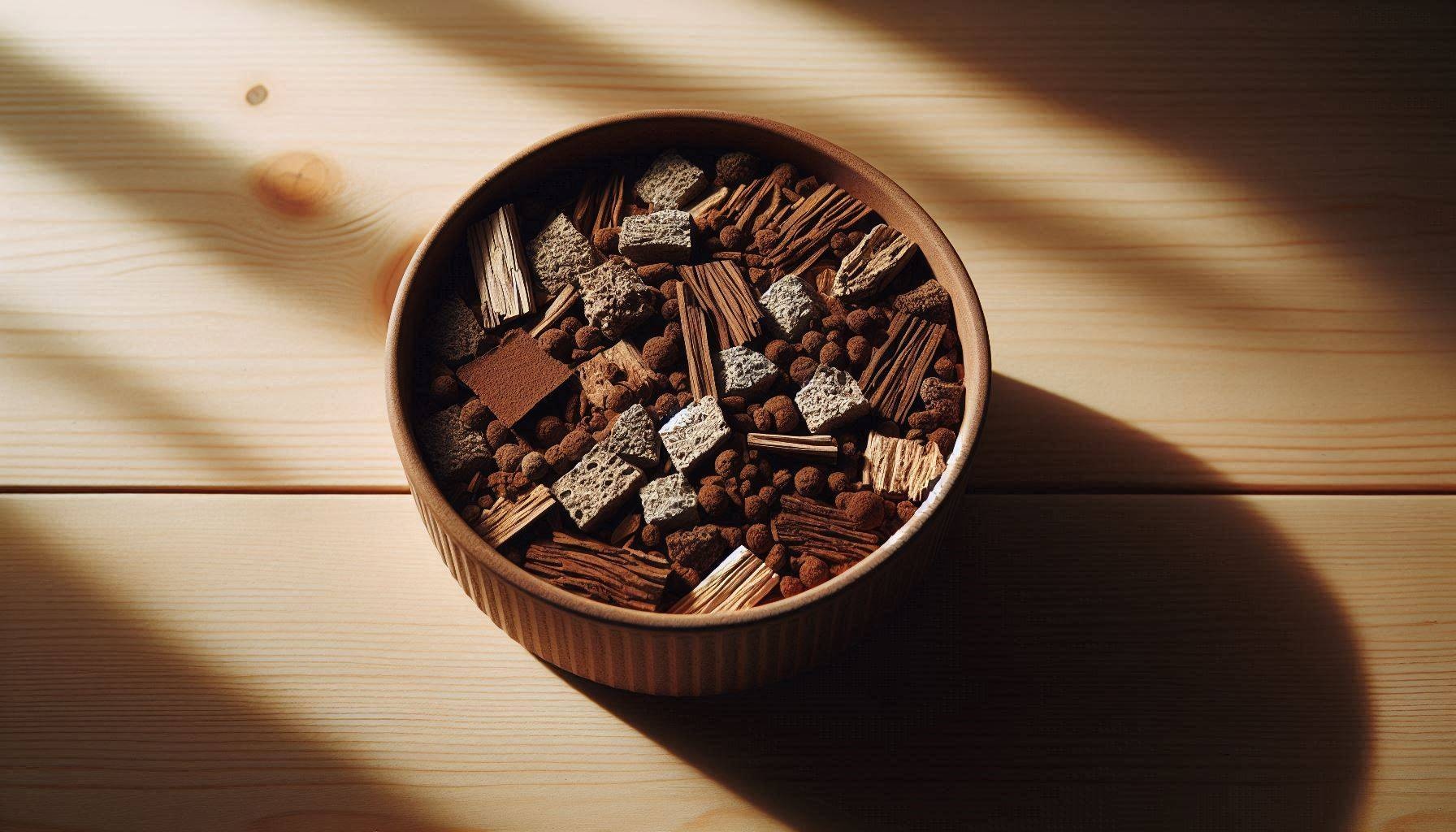
Long-fiber sphagnum moss can work very well for Monstera, Philodendron and other rare-plant cuttings, but only when the node gets moisture and oxygen at the same time.
Quick answer: use sphagnum loose and evenly damp—not dripping wet or tightly packed. Saturated, airless moss is the main rot risk. Transfer a cutting after it has several healthy roots, preferably with some secondary branching, and keep the new potting mix consistently but not excessively moist during acclimation.
The Most Common Failure: Airless Moss
Packing soaked moss firmly into a container removes the air spaces that new roots need. A buried node can remain continuously wet, while a closed vessel slows evaporation and makes it harder to notice excess moisture.
The warning signs are a darkening or soft stem, an unpleasant odor, persistent condensation, or moss that still releases water when pressed. Remove the cutting, rinse it with clean water, trim soft tissue with sanitized tools, and restart only if firm, healthy tissue remains. Do not rely on a chemical bath to compensate for a waterlogged setup.
Why Sphagnum Moss is a Game-Changer (The Pros)
When used correctly, sphagnum offers a useful balance of moisture retention and aeration. Its fibers can support developing roots while a clear container makes moisture and root growth easy to inspect.
Moss can remain moist longer than perlite or a chunky mix, which reduces watering frequency. It is not sterile and does not disinfect a cutting; use clean containers and tools, and discard moss that smells sour or shows persistent mold.
The Dark Side of Moss: Where Things Go Wrong (The Cons)
Despite its benefits, sphagnum moss is not a set-it-and-forget-it medium. The biggest issue is its tendency to hold too much water. Because it acts like a sponge, it is incredibly easy to over-saturate. If you pack it too tightly around a stem, you eliminate the microscopic air pockets that plant roots need to breathe. Roots need oxygen just as much as they need moisture; without it, rot sets in rapidly.
Another drawback appears during transition. New roots can weave tightly through the fibers, and pulling away every strand may break fine roots.
Sphagnum also supplies few nutrients. Once a cutting is established, move it to an appropriate growing medium or begin a carefully diluted feeding program suited to the species.
Master the Method: How to Propagate Safely
No propagation method guarantees success, but this setup reduces avoidable moisture problems:
- Use the squeeze test: Rehydrate the moss, then squeeze out excess water until it feels like a wrung sponge and no longer drips.
- Fluff It Up: Before putting the moss into your propagation container, pull it apart and fluff it up with your fingers. You want to introduce as much air into the fibers as possible.
- Choose a ventilated container: A clear plastic cup with drainage and side holes makes root growth and moisture easier to monitor. Avoid an unventilated jar.
- Pack Lightly: Place your cutting in the cup and gently drape the fluffed moss around the roots or node. Do not press it down or pack it tight. It should be loose enough that you could easily blow through it.
Optional Ways to Improve Airflow
Coarse perlite can be mixed through the moss to create more air spaces. There is no required ratio; add enough to keep the fibers open without leaving the cutting unstable.
A ventilated cup can also sit inside a loose clear bag or propagation box to slow moisture loss. Leave an opening for air exchange and inspect daily. Humidity is useful only when the medium and stem are not staying saturated.
The Delicate Transition to Soil
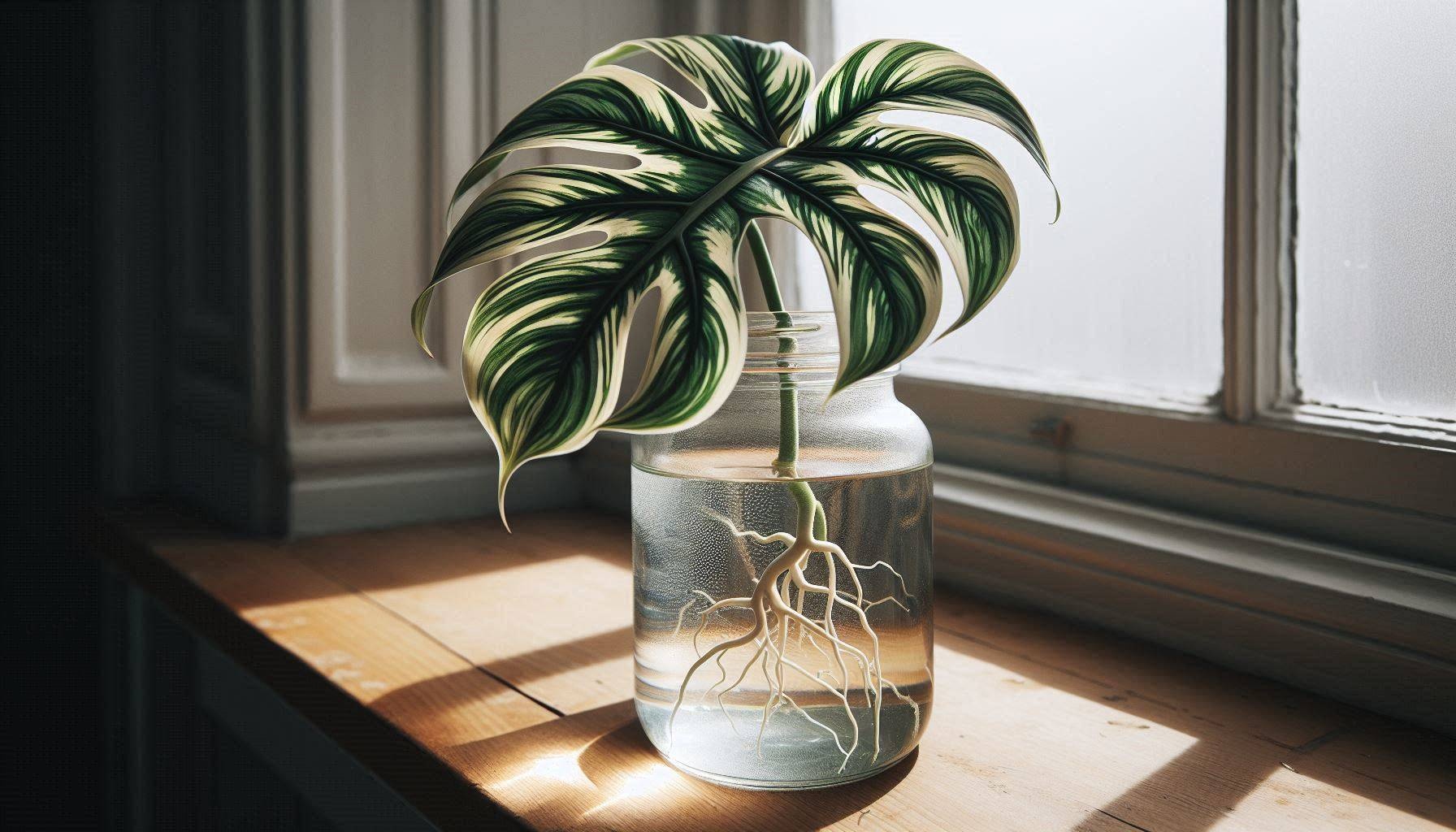
Transition when the cutting has several healthy roots, preferably with some secondary branching. Root development matters more than a single exact length.
To avoid damaging the root system, do not try to strip every single strand of moss away. If a fiber is wrapped tightly around a root, leave it! Trying to pull it off will only strip the delicate root hairs. Simply remove the loose, excess moss, and pot the plant up with the remaining moss still attached to the root ball.
Small remaining clumps of moss can stay wetter than the surrounding mix. Check the root zone before watering and avoid treating the whole pot as dry while the center is still moist. A fast-draining aroid mix makes the transition easier to manage.
Frequently Asked Questions
Should sphagnum moss be wet for propagation?
No. It should feel evenly damp but should not drip when squeezed. Saturated or tightly packed moss reduces the air available around the node and roots.
Does sphagnum moss prevent root rot?
No medium prevents rot. Sphagnum can hold moisture while retaining air when it is kept loose, but an overwatered or sealed setup can still develop stem or root rot.
When should a cutting move from moss to potting mix?
Transition after the cutting has several healthy roots, preferably with some secondary branching. Remove only loose moss, use an airy mix, and monitor moisture closely during acclimation.
Cover photo by Declan Chidlow on Unsplash.