Tissue-culture plantlets have made many rare Monsteras, Philodendrons, and Alocasias available at lower entry prices. They are also much smaller and less forgiving during the transition from a sealed laboratory container to normal household conditions.
The best value depends on more than the purchase price. Equipment, time, seller quality, acclimation risk, and the wait for a mature plant all belong in the comparison.
Why Acclimation Is the Real Cost
A tissue-culture plantlet is not simply a miniature established plant. Its first weeks outside the vessel require stable warmth, gentle light, high but gradually declining humidity, and a medium that is moist without being waterlogged.
The nutrient gel can support microbial growth after the sealed container is opened, but rough cleaning can damage fragile roots. The aim is to remove loose gel gently, use clean equipment and fresh medium, then adjust conditions slowly.
Demystifying the Flask: What Exactly Are These Plants?
Tissue-culture plants, often abbreviated as TC, are produced from small pieces of plant tissue grown on a nutrient medium under controlled laboratory conditions. This method can multiply selected material efficiently and at scale.
Inside the sealed vessel, humidity is very high and conditions differ greatly from a home. Plantlets may have a thin or incompletely developed cuticle and delicate in-vitro roots, so abrupt exposure to dry air, direct sun, or saturated potting media can cause rapid decline.
The Real Cost of “Cheap” Rare Plants
When you see a rare Philodendron or Alocasia sold as a tissue culture starter for a quarter of the price of an established plant, it feels like a no-brainer. But you need to factor in the hidden costs of successful acclimatization.
Useful supplies include:
- A reliable humidity dome or a seedling propagation box.
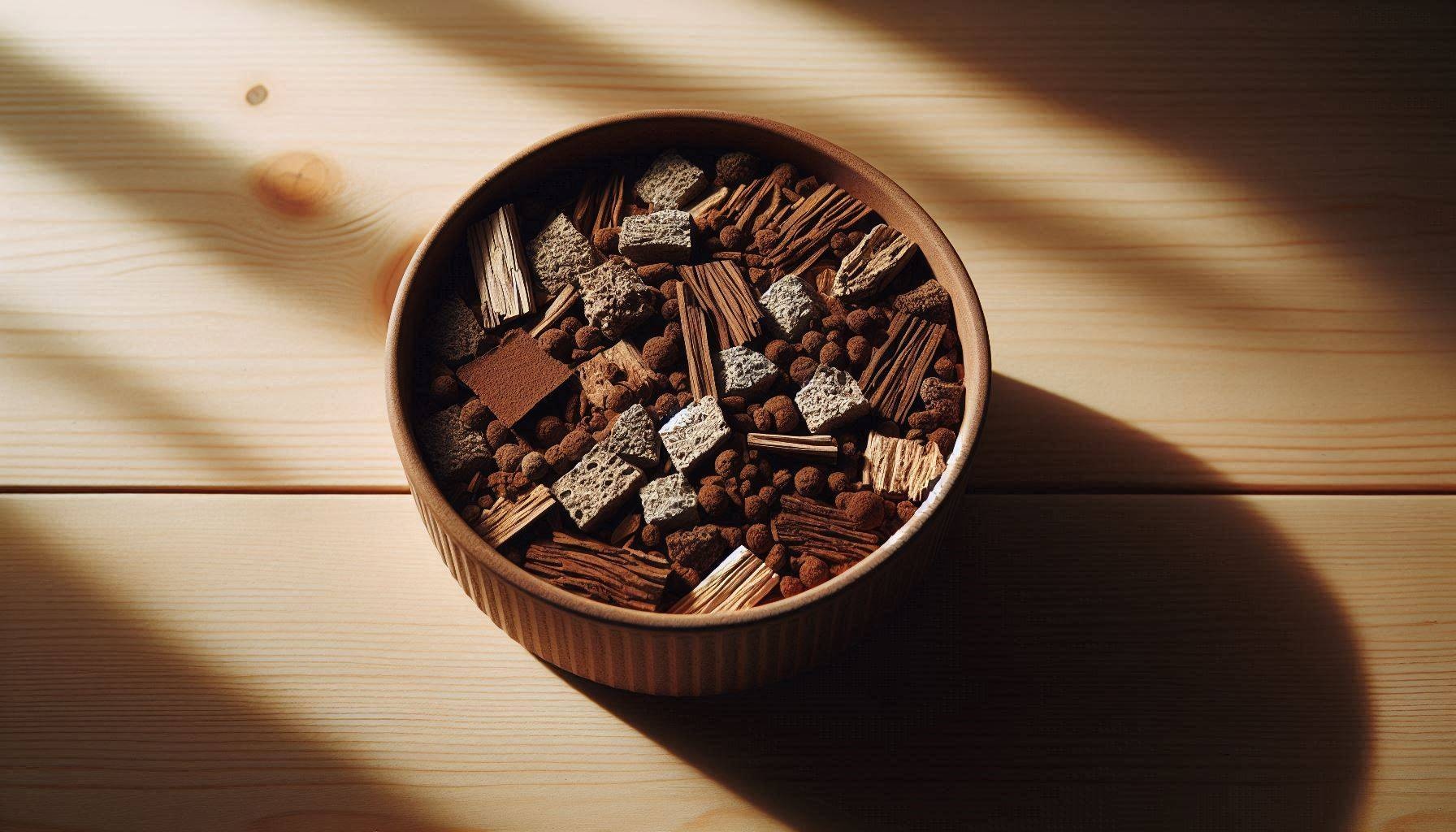
- Clean, fresh growing medium suited to small roots, such as loose sphagnum with perlite or another fine, airy propagation mix.
- Clean containers, tweezers, and cutting tools.
- A thermometer and hygrometer for checking conditions.
- A stable source of gentle, diffused light.
- Optional bottom heat only when room temperature is below the species’ preferred range, controlled by a thermostat.
When you add up the cost of these supplies, plus the value of your time and the very real risk of plant loss, that “cheap” tissue culture plant can suddenly become quite expensive.
A Safer Acclimation Sequence
- Inspect before opening: Photograph the sealed plant and check for widespread discoloration, collapse, or contamination. Contact the seller promptly if it arrived in poor condition.
- Prepare a clean workspace: Wash hands and clean the container, tools, and work surface before handling the plantlet.
- Remove loose gel gently: Use clean, lukewarm water and light movement. Do not scrub or pull delicate roots simply to remove every invisible trace.
- Pot into fresh, airy medium: Keep it evenly moist, not saturated, and choose a small container with drainage.
- Begin with high humidity and gentle light: Avoid direct sun and keep temperature stable. Inspect daily for soft tissue, persistent condensation, and drying.
- Vent gradually: Once the plantlet is stable and producing growth, increase ventilation in small steps. The exact schedule depends on species, container, and room humidity; reverse the last change if wilting is severe.
A preventative fungicide or hydrogen peroxide bath is not automatically required. If a plant-protection product is appropriate, use one labeled for the plant and problem, and follow the label exactly.
Is It Worth It for You? The Final Verdict
So, should you click “add to cart” on that tiny flask?
Buying tissue culture is absolutely worth it if:
- You enjoy the scientific, hands-on side of gardening and find the process of nurturing a baby plant rewarding.
- You already own suitable propagation equipment such as grow lights, a humidity dome, and a monitor.
- You are patient and don’t mind waiting a year or more for your plant to reach a showstopper size.
- You want to acquire highly coveted varieties on a tight budget.
You should probably skip tissue culture if:
- You want an instant centerpiece plant for your living room shelf.
- You cannot inspect the plantlet regularly during its early acclimation.
- The total price after equipment and possible loss is close to the cost of an acclimated starter plant.
Frequently Asked Questions
Are tissue-culture plants harder to grow than established plants?
They require a more controlled transition at first because their leaves and roots developed in a sealed, humid container. After successful acclimation, their care becomes similar to other young plants of the same species.
Does all agar have to be removed from the roots?
Remove the loose nutrient gel gently because residue can support microbial growth after opening. Do not scrub so aggressively that fragile roots are damaged.
Is a fungicide or hydrogen peroxide bath required?
No. A clean workspace, clean tools, fresh medium, controlled moisture, and observation are the basic priorities. Use any plant-protection product only when appropriate and exactly as its label directs.
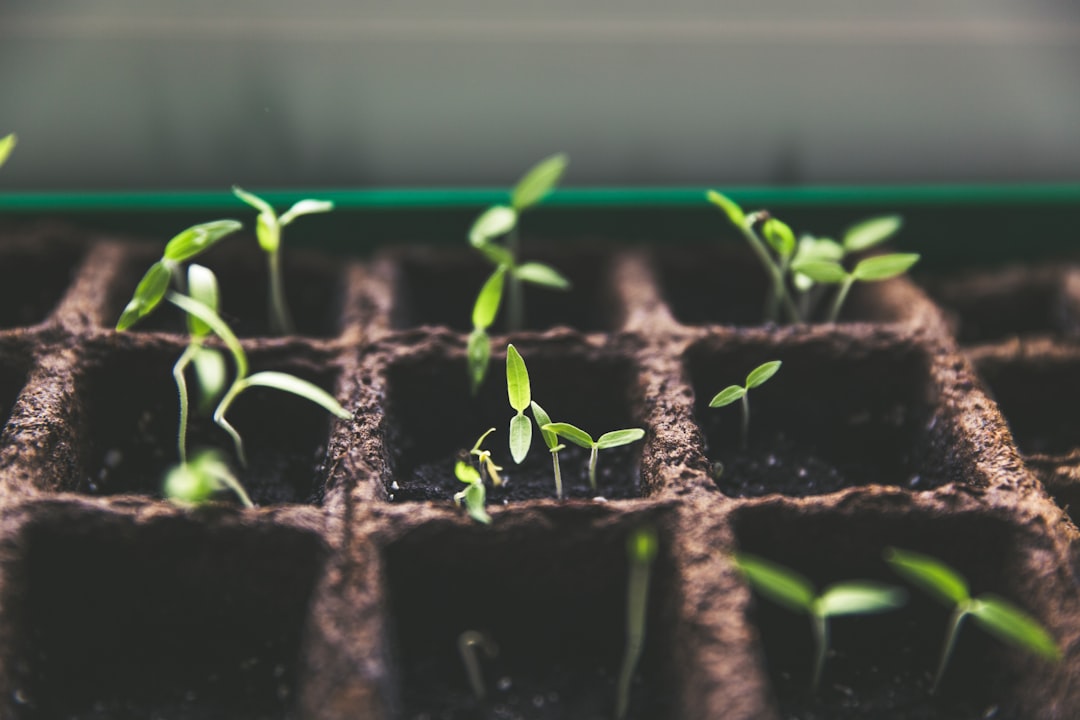
Cover photo by Markus Spiske on Unsplash.