Deciding how to maintain optimal rare plant humidity is a pivotal moment for any indoor gardener. To choose the right setup immediately, consider the scale and purpose of your collection: a humidity tent offers an affordable, portable, and temporary environment perfect for acclimating new imports or propagating cuttings, while a dedicated grow cabinet provides a permanent, visually striking, and highly customizable microclimate designed for long-term growth.
Both systems have unique advantages and operational demands. By understanding the functional differences between these two popular options, growers can protect their investments and cultivate thriving tropical specimens.
Distinguishing Between Temporary Shelters and Permanent Displays
A humidity tent is typically constructed from flexible, clear plastic draped over a lightweight frame or even placed directly over an individual pot. These structures excel at capturing transpired moisture from the plant and the damp growing medium, rapidly creating a localized zone of high relative humidity. Because they are easy to assemble and disassemble, they serve as excellent emergency isolation chambers or temporary recovery zones.
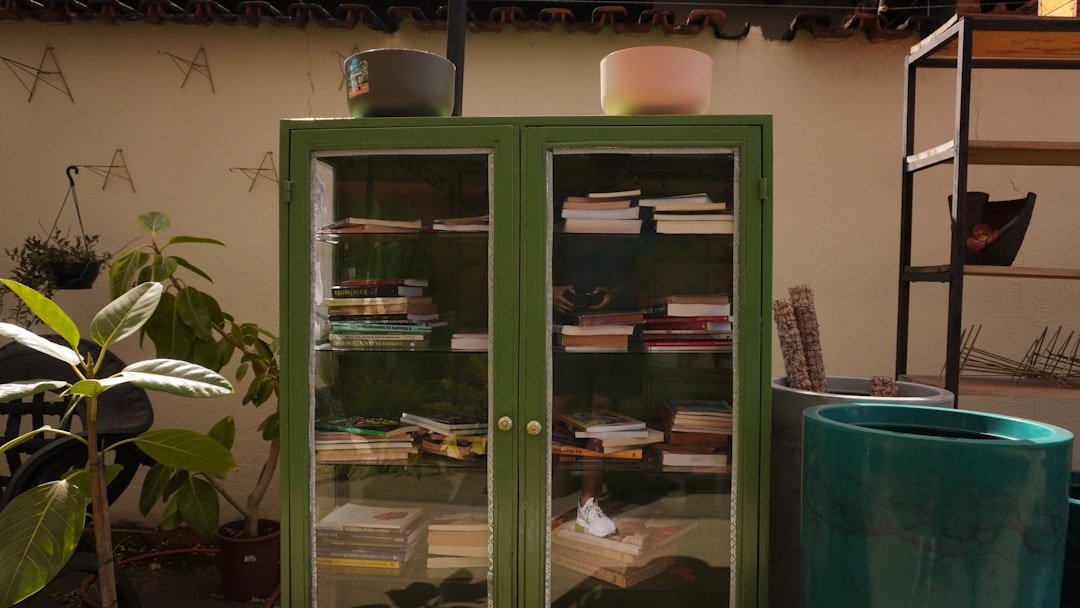
Conversely, a grow cabinet—often converted from a glass-doored display cabinet—is a sturdier, long-term investment. These cabinets seal moisture inside while allowing for the seamless integration of artificial lighting, automated ventilation, and heating elements. This makes the cabinet a year-round home where environmental factors can be meticulously adjusted to match the natural habitats of high-value tropical specimens.
Evaluating the Practical Benefits of a Humidity Tent
For collectors managing space constraints or working within a budget, the humidity tent is a highly practical tool. It functions on a simple physical principle: trapping moisture within a confined volume.
- Rapid setup: Most tents can be erected in minutes using simple wire frames, plastic sheeting, or pre-fabricated small greenhouse covers.
- Portability: These structures can be easily moved from room to room to take advantage of seasonal light shifts.
- Ideal for propagation: A high-moisture dome or tent is incredibly effective when rooting delicate cuttings. For those utilizing moss-based propagation methods, combining a tent with high-quality media can yield excellent results; check out the discussion on Is Sphagnum Moss Actually the Holy Grail for Rare Plant Propagation? to optimize this setup.
- Cost-effectiveness: Minimal financial investment is required to achieve a stable 80% to 90% humidity level for recovering plants.
However, tents are utilitarian and often obscure the beauty of the plants inside. They also require frequent manual venting to prevent stagnant air pockets from forming.
Maximizing Control Inside a Modern Grow Cabinet
While tents are functional, they rarely complement home decor. A converted glass cabinet, however, merges interior design with advanced horticultural technology.
- Unrivaled aesthetic appeal: A glass cabinet turns a rare plant collection into a living piece of art, allowing unobstructed views of variegated foliage and complex leaf structures.
- Integrated systems: Cabinets easily accommodate grow lights, small clip-on fans, and humidifiers. This allows growers to maintain exact parameters without relying on ambient room conditions.
- Aroid lighting optimization: Managing light inside glass enclosures requires careful planning to prevent leaf scorch while ensuring vibrant growth. Understanding How Much Light Do Your Rare Aroids Actually Need? A Real-Talk Guide to Happy Leaves is essential when positioning fixtures on cabinet shelves.
- Longevity: Constructed from steel, glass, or heavy acrylic, these setups provide a durable, long-term environment that protects delicate plants from drafts and physical damage.
The primary drawbacks are the initial cost, the assembly time, and the ongoing electricity needs for fans and lights.
Recognizing and Preventing Environmental Hazards
Creating high-humidity environments requires vigilant management to prevent common physiological issues. High moisture without proper airflow is a recipe for microbial pathogens.
It is vital to distinguish between normal plant processes and signs of distress. For example, droplets forming on leaf tips (guttation) is a natural way plants release excess water pressure. However, water-soaked brown spots on the foliage, powdery white coatings, or a persistent musty odor are distinct signs of fungal or bacterial infections.
- Preventing root and foliage issues: Stagnant, saturated air can quickly lead to root decline. If a plant exhibits wilting despite wet soil, or if leaves develop mushy, dark patches, root health may be compromised. To understand how to identify and address these underground issues before they destroy a prized specimen, refer to this guide on How to Spot and Treat Philodendron Root Rot Before It’s Too Late.
- Air circulation protocol: Always install small, low-voltage fans in any enclosed space. Air should gently move the leaves without causing them to shake violently.
- Sanitization practices: Clean all surfaces inside tents and cabinets regularly. Use a mild soap and water solution, or follow the manufacturer’s instructions for specialized greenhouse disinfectants, ensuring all product labels are followed precisely.
A Comparison Checklist for Your Collection
To determine which route best serves the immediate and future needs of the collection, review this practical comparison checklist:
- Budget: Tents require very little upfront investment; cabinets require a moderate-to-high investment for the unit, weather stripping, fans, and lighting.
- Space availability: Tents can be folded and stored in a closet when not in use; cabinets require dedicated, permanent floor or tabletop space.
- Aesthetic goals: Tents are utilitarian and often obscure the beauty of the plants; cabinets elevate the space as a central design feature.
- Maintenance level: Tents need manual venting to refresh air and prevent mold; cabinets with automated timers, fans, and humidifiers require less daily hands-on adjustment once balanced.
- Collection size: Tents are perfect for housing a few struggling plants or new propagations; cabinets can house dozens of mature specimens on multiple tiered shelves.
Step-by-Step Setup Guides for Both Systems
Whether choosing a temporary tent or a permanent cabinet, proper installation prevents plant shock and ensures steady growth.
Setting up a Humidity Tent:
- Select a sturdy, waterproof tray to act as the base.
- Place a layer of damp pebbles or a capillary mat on the tray to provide a steady source of moisture.
- Position the potted plants on top of the tray, ensuring the drainage holes are not sitting directly in standing water.
- Drape clear plastic or a pre-made tent cover over the plants, using stakes to keep the plastic from touching the foliage.
- Open the tent for 10-15 minutes daily to refresh the air and prevent mold growth.
Setting up a Grow Cabinet:
- Select a glass cabinet and seal the gaps around the doors with foam or silicone weather stripping to retain humidity.
- Mount full-spectrum LED grow lights to the underside of the shelves, keeping cords organized and safely routed outside the cabinet.
- Install at least two small USB-powered fans—one near the top and one near the bottom—to create a continuous, gentle air current.
- Place a digital hygrometer/thermometer at canopy level to monitor the interior climate.
- Introduce plants gradually, monitoring the humidity levels. If the humidity exceeds 85% consistently, adjust the door seals or fan speeds to increase ventilation.
Frequently Asked Questions
Is 100% humidity safe for rare plants inside a cabinet?
While many tropical plants thrive in high humidity, constant 100% relative humidity without exceptional air movement creates an ideal environment for bacterial rot and fungal diseases. Aim to maintain a stable range between 65% and 80% for most rare aroids, ensuring that fans run continuously to dry excess condensation on the leaves.
Can grow lights inside a cabinet cause leaf scorch?
Yes, if lights are placed too close to the foliage or are set to an intensity that exceeds the plant’s tolerance, leaves can develop dry, bleached, or crispy brown patches. Always adjust the height of the light fixtures and monitor the leaves closely for signs of light stress.
How often should a humidity tent be ventilated?
A humidity tent should be opened or “burped” at least once a day for 10 to 20 minutes. This introduces fresh carbon dioxide, which plants require for photosynthesis, and helps disperse pockets of stagnant, saturated air that encourage mold growth.
Assess the immediate goals of the collection: opt for a humidity tent to assist with temporary propagation and recovery, or build out a grow cabinet to establish a controlled, permanent microclimate that showcases rare specimens safely.
Related Guides
Cover photo by Matheus Araujo on Unsplash.