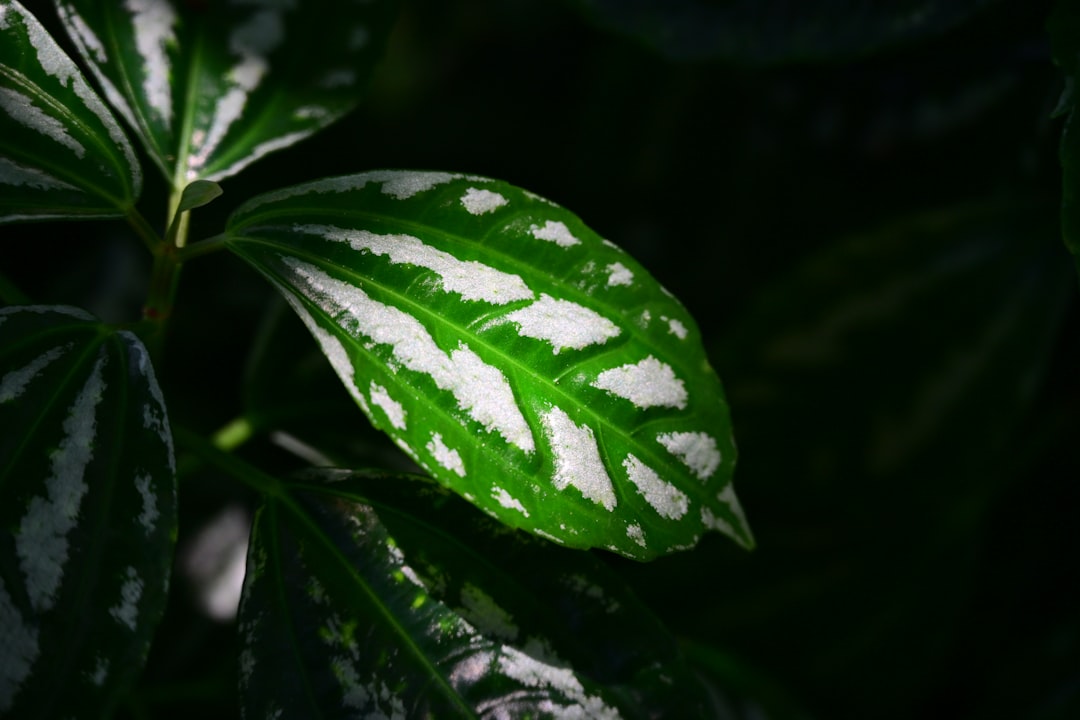
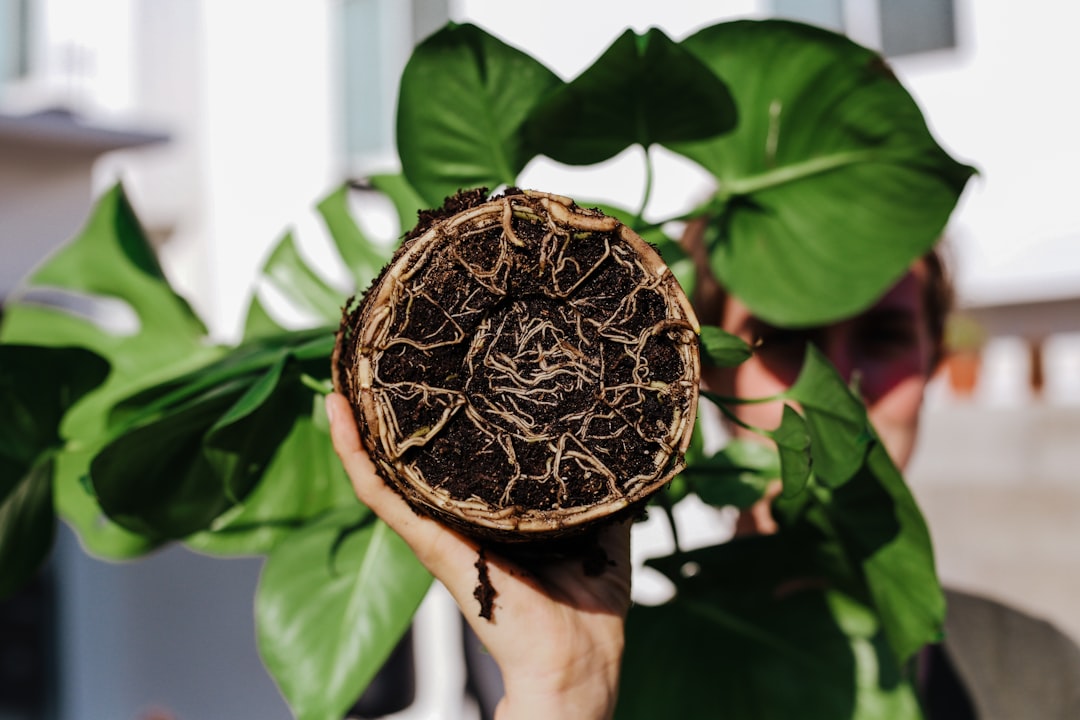
Determining whether a rare plant cutting will successfully establish roots depends primarily on stem firmness, node integrity, dormant bud presence, and healthy tissue color. A viable cutting displays a rigid stem structure, intact node tissue, and clean callus formation without soft spots or dark discolouration. Evaluating these physical features before purchasing or taking plant cuttings ensures time and care are directed toward material capable of generating strong new root systems and foliage.
Evaluating Node Health and Tissue Integrity
Node health is the primary structural foundation for growth in rare aroids and tropical houseplants. The node contains the specialized meristematic tissue necessary to produce both roots and new foliage shoots. Without an undamaged node, most tropical cuttings cannot establish long-term stems.
When examining a stem section, look closely at the condition of the node and the surrounding tissue. A healthy node appears plump and firm to a gentle touch. The axillary bud—often visible as a small bump or eye just above the leaf scar—should be intact, hydrated, and free from drying or blackened tissue.
Key indicators of strong node tissue include:
- Firmness: Stem tissue both above and below the node should feel firm and rigid rather than leathery, hollow, or squishy.
- Intact Axillary Bud: A visible, undamaged shoot point indicates the cutting retains its capacity to grow new foliage once root development occurs.
- Substantial Stem Diameter: Thicker stems generally store greater carbohydrate reserves, providing energy to sustain tissue while initial roots form.
- Clean Cut Margins: Freshly cut stems should show distinct light green or white vascular tissue inside rather than brown rings or sunken borders.
If a node appears shriveled, dried out, or squished by physical impact, the probability of successful tissue regeneration decreases significantly.
Identifying Early Indicators of Rooting Success
Predicting rooting success requires observing subtle physiological changes over the first few days and weeks of propagation. Rather than pulling stem tissue out of its growth substrate repeatedly, observe surface-level markers.
One early signal is the activation of existing aerial root nubs. On many rare climbing species, small aerial root nodes already exist along the stem. When exposed to appropriate humidity and atmospheric moisture, these nubs tend to swell, turn lighter or glossy at the tips, and push outward.
Another encouraging sign is persistent leaf turgor. While a freshly taken cutting may experience brief wilting while adapting to missing root pressure, a viable stem soon stabilizes. Leaves that remain firm, erect, and colorful generally indicate that stem tissue is retaining internal moisture effectively.
Additionally, the cut end of the stem should form a hard, dry skin known as a callus. Callus formation acts as a protective barrier against external pathogens while serving as the primary site where adventitious root primordia develop.
Differentiating Healthy Callus from Early Stem Decay
Discerning whether a changing stem base represents healthy tissue development or rot is critical during early propagation. Visible symptoms can overlap, but careful observation clarifies the underlying condition.
- Color Changes: A healthy cut end typically transitions from freshly cut light green or cream to a uniform tan, brown, or grayish callus layer. Conversely, dark black, water-soaked, or translucent spots extending upward from the cut base suggest tissue breakdown.
- Texture and Resistance: Callus tissue feels dense, dry, and firm. Tissue succumbing to decay feels mushy, slimy, or hollow under slight pressure.
- Odor: Healthy propagation setups produce an earthy or neutral scent. A sour, sharp, or foul odor emerging from the substrate often correlates with microbial rot.
When decay is caught early, trimmed back to firm green tissue with disinfected shears, and allowed to dry completely in clean conditions, root propagation can often resume smoothly. For a deeper breakdown of managing stem and root issues in tropical species, review the guide on How to Spot and Treat Philodendron Root Rot Before It’s Too Late.
Environmental Factors That Encourage Root Development
Even a structurally perfect cutting requires appropriate environmental support to initiate root cell division. Moisture balance, atmospheric humidity, warm ambient temperatures, and adequate light work together to sustain growth energy.
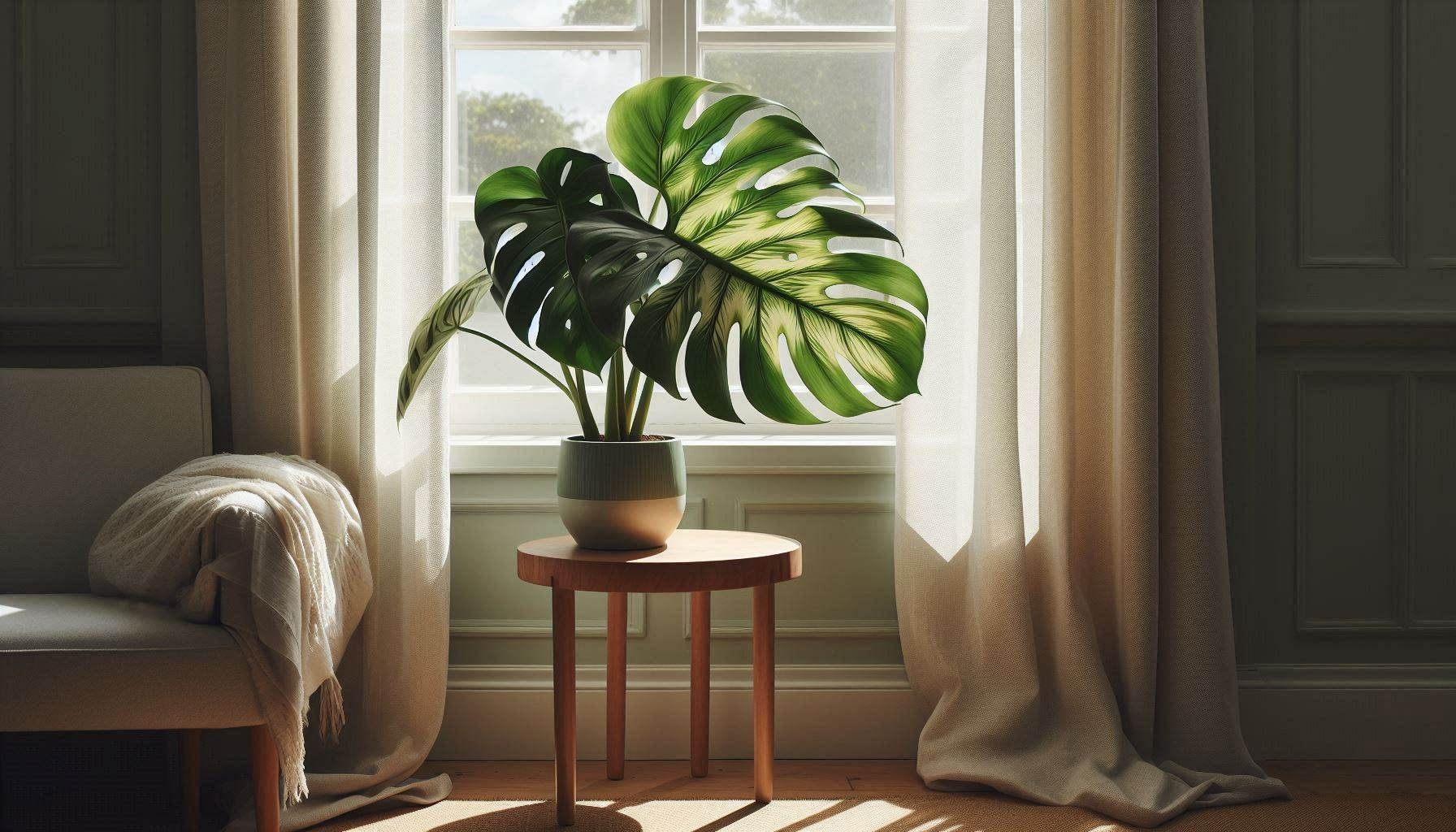
Light plays a central role in driving photosynthesis, which supplies the sugars required to fuel new root structures. Placing unrooted material in low light slows tissue activity and leaves stems susceptible to fungal decay. Conversely, direct, intense sunlight can cause severe moisture stress and scorch vulnerable leaves. Bright, indirect illumination provides the ideal balance for steady stem metabolism. To fine-tune ambient light levels for propagation, consult How Much Light Do Your Rare Aroids Actually Need? A Real-Talk Guide to Happy Leaves.
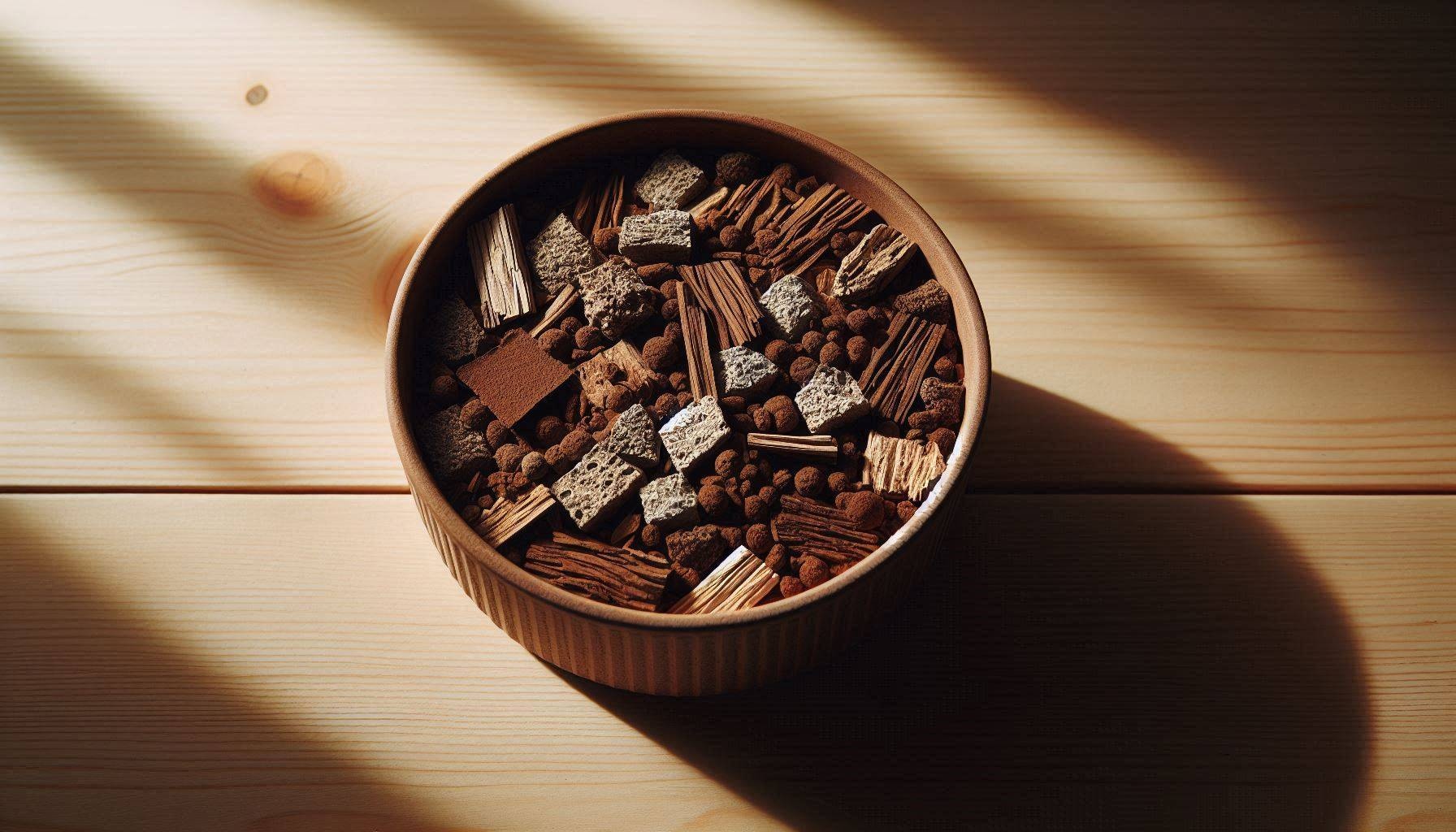
Substrate choice also directly impacts moisture retention and oxygen availability around stem nodes. Selecting airy, well-aerated media maintains high humidity around the node without saturating the stem cut. For an in-depth comparison of medium properties, explore the detailed analysis on Is Sphagnum Moss Actually the Holy Grail for Rare Plant Propagation?.
A Step-by-Step Checklist for Pre-Purchase Evaluation
Before purchasing or accepting plant cuttings online or in person, complete this systematically structured evaluation checklist to verify overall viability:
- Check for Node Presence: Confirm the cutting includes at least one distinct node with a visible, undamaged axillary bud.
- Inspect Stem Integrity: Verify that stem walls are rigid, plumb, and free of discolored lesions or deep surface scarring.
- Examine Existing Root Nubs: Ensure that attached aerial root nubs are firm and intact, with no soft or papery dark sections.
- Evaluate Variegation and Tissue Balance: On variegated species, ensure the cut includes a balanced mix of green photosynthetic tissue alongside variegated sectors, as completely white stems lack chlorophyll to synthesize energy.
- Review Cut Health: Confirm that stem ends are calloused or freshly clean, with no soft brown rings creeping up the stem’s vascular bundle.
Practical Care Steps to Support Root Growth
Supporting plant cuttings through root establishment involves consistent, low-stress care practices designed to promote tissue healing and rapid cell expansion.
- Use Clean Tools: Always sterilize pruning shears with isopropyl alcohol or a standard disinfectant before making or trimming stem cuts.
- Allow Cuts to Callus: Let freshly trimmed stems sit in ambient air for 30 to 60 minutes prior to placing them into substrate or water, allowing exposed cells to seal naturally.
- Select a Suitable Rooting Medium: Choose high-porosity media such as perlite, coarse pumice, damp high-grade sphagnum moss, or clean water, ensuring oxygen reaches emerging root tips.
- Maintain Moderate Warmth: Keep rooting setups in a warm zone between 70°F and 80°F (21°C to 27°C) to encourage steady cellular activity.
- Follow Product Labels: If applying commercial rooting hormones or specialized fungicides, strictly follow manufacturer label instructions regarding application rates and safety precautions. Avoid unverified household chemical mixtures that can damage delicate stem tissue.
Frequently Asked Questions
How long does it take for a rare plant cutting to show root growth?
Root initiation typically begins within two to six weeks, depending on species, temperature, lighting, and medium moisture. Tropical aroids with active aerial root nubs often show noticeable root lengthening faster than woody or completely dormant stem cuts.
Can a leaf-only cutting without a node produce roots and growth?
In many rare tropical houseplants, a leaf cut without node tissue may produce roots, but it usually lacks the meristematic tissue necessary to generate a new stem or leaf growth point. A functional node is required for long-term vine or shoot development.
What should be done if a cutting stem feels soft at the bottom?
If the base of a stem cutting turns soft or squishy, immediately remove it from the propagation medium. Trim away all compromised tissue using disinfected shears until reaching clean, firm wood. Allow the fresh cut to callus completely before reintroducing it to a fresh substrate.
Examine every stem node for firm tissue, visible growth points, and clean callousing before committing to propagation, then maintain bright indirect light and balanced moisture to secure long-term success.