Philodendron root rot is easiest to save when you confirm it early instead of treating every yellow leaf as an overwatering problem.
Quick answer: if a Philodendron is wilting while the potting mix is still wet, unpot it and inspect the roots. Firm roots are healthy; soft, dark, slimy, hollow or foul-smelling roots strongly indicate rot. Remove damaged roots, discard the old substrate and repot the remaining healthy tissue in a clean, airy mix.
Not sure whether the symptoms point to rot, light stress, pests or normal leaf aging? Start with the free Plant Symptom Checker.
Early Signs of Philodendron Root Rot
No single above-soil symptom proves root rot. Look for several signs occurring together:
- multiple leaves yellowing while the substrate remains wet;
- wilting despite damp or saturated soil;
- an unstable or wobbly stem;
- a sour or stagnant smell from the pot;
- growth suddenly slowing while conditions have otherwise stayed similar;
- soft, dark roots when the plant is removed from the pot.
The root inspection is the decisive step because underwatering, pests, low light and natural leaf aging can mimic some of the same symptoms.
What Healthy vs Rotted Philodendron Roots Look Like
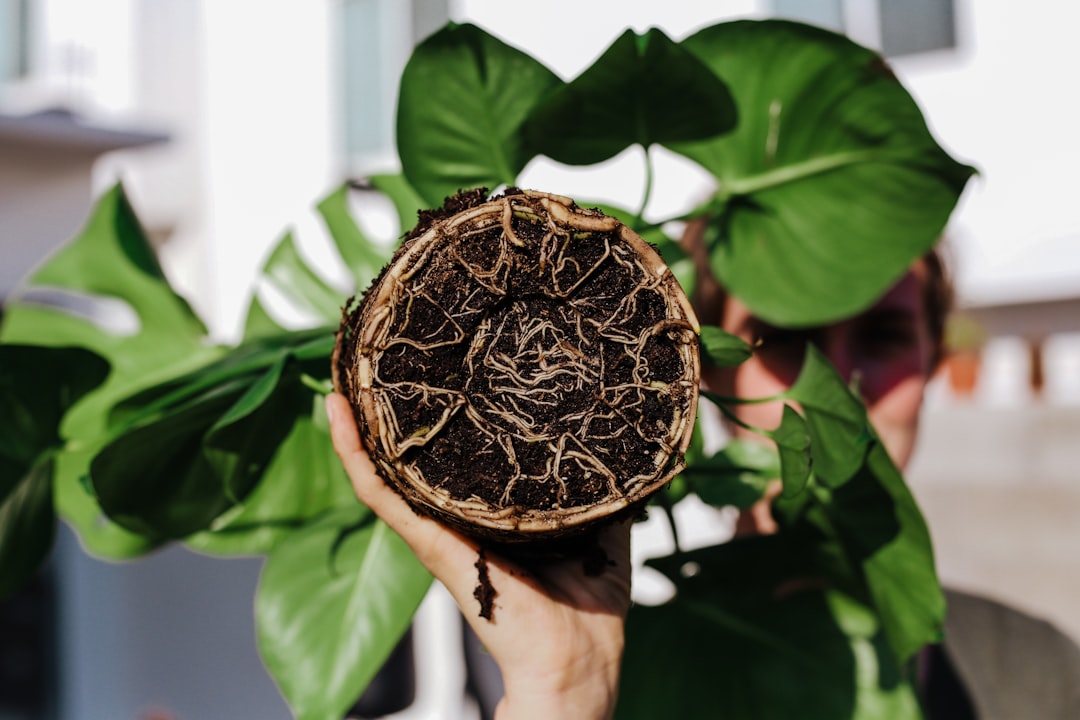
Healthy roots are generally firm and intact. Their exact color varies with age and substrate, so color alone is not enough.
Rotted roots are more likely to be:
- soft or mushy;
- hollow or easily stripped from the inner core;
- dark and collapsing;
- slimy;
- foul-smelling.
If only a few roots are damaged and most of the system remains firm, the plant usually has more recovery potential than a specimen whose entire root mass has collapsed.
Why Root Rot Happens
Root rot is not simply the result of giving a plant a large amount of water once. The bigger problem is a root zone that stays saturated for too long.
Common contributors include:
- watering again before the root zone has dried enough;
- dense or compacted potting mix;
- an oversized container that holds a large volume of wet substrate;
- blocked or inadequate drainage;
- cool temperatures;
- low light, which slows the plant’s water use;
- damaged roots that are already struggling before watering.
Healthy roots need both moisture and oxygen. When air spaces in the substrate remain filled with water, root function declines and damaged tissue becomes vulnerable to decay.
How to Treat Philodendron Root Rot Step by Step
1. Remove the plant from the pot
Slide the Philodendron out carefully and remove enough substrate to see the root system clearly. If the mix is very wet, work gently because damaged roots can break easily.
2. Identify healthy and damaged roots
Do not cut roots based only on color. Feel them. Preserve roots that are firm and structurally intact; remove tissue that is soft, hollow, slimy or foul-smelling.
3. Trim the rot
Use sharp scissors or pruning shears cleaned with isopropyl alcohol. Cut back to firm tissue and clean the blades between cuts if you are moving through obviously decayed areas.
4. Rinse and reassess
Rinse the remaining root system with clean, lukewarm water. This makes hidden soft areas easier to see.
A hydrogen peroxide bath is not required for a basic rescue and can damage stressed tissue if used at an unsuitable concentration. The essential steps are removing decayed tissue, improving the root environment and keeping tools clean.
5. Repot in a clean, airy mix
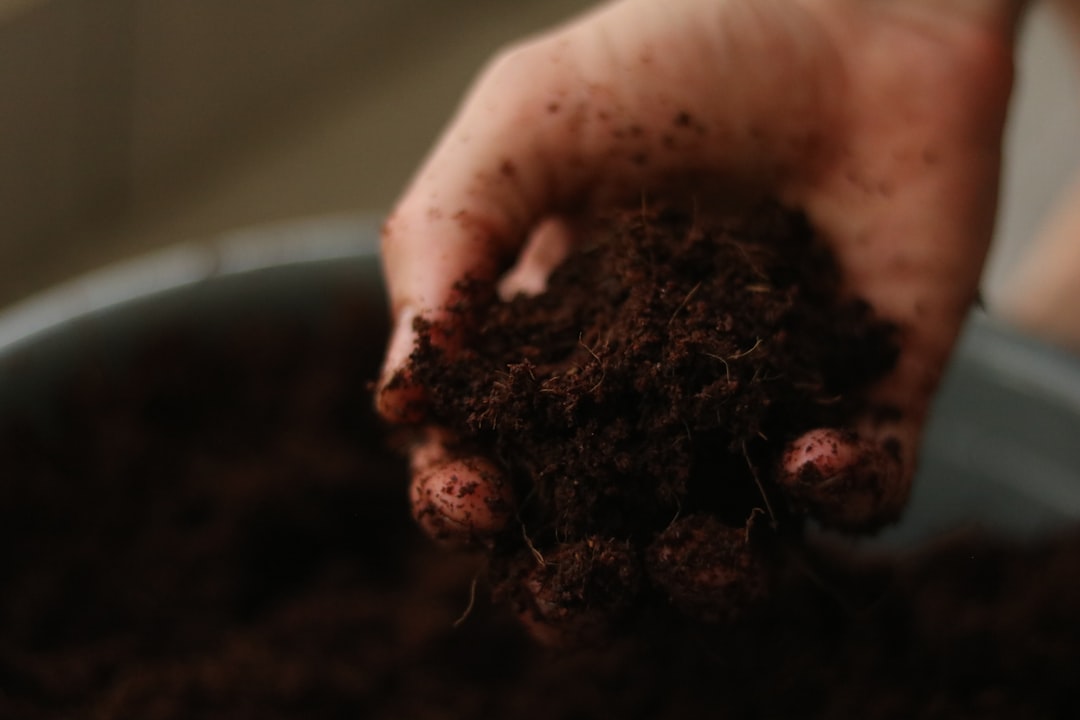
Discard the old substrate. Wash the old container thoroughly or use a clean pot with drainage holes.
Choose a container sized to the remaining root mass rather than the original plant size. A very large pot can stay wet for too long around a reduced root system.
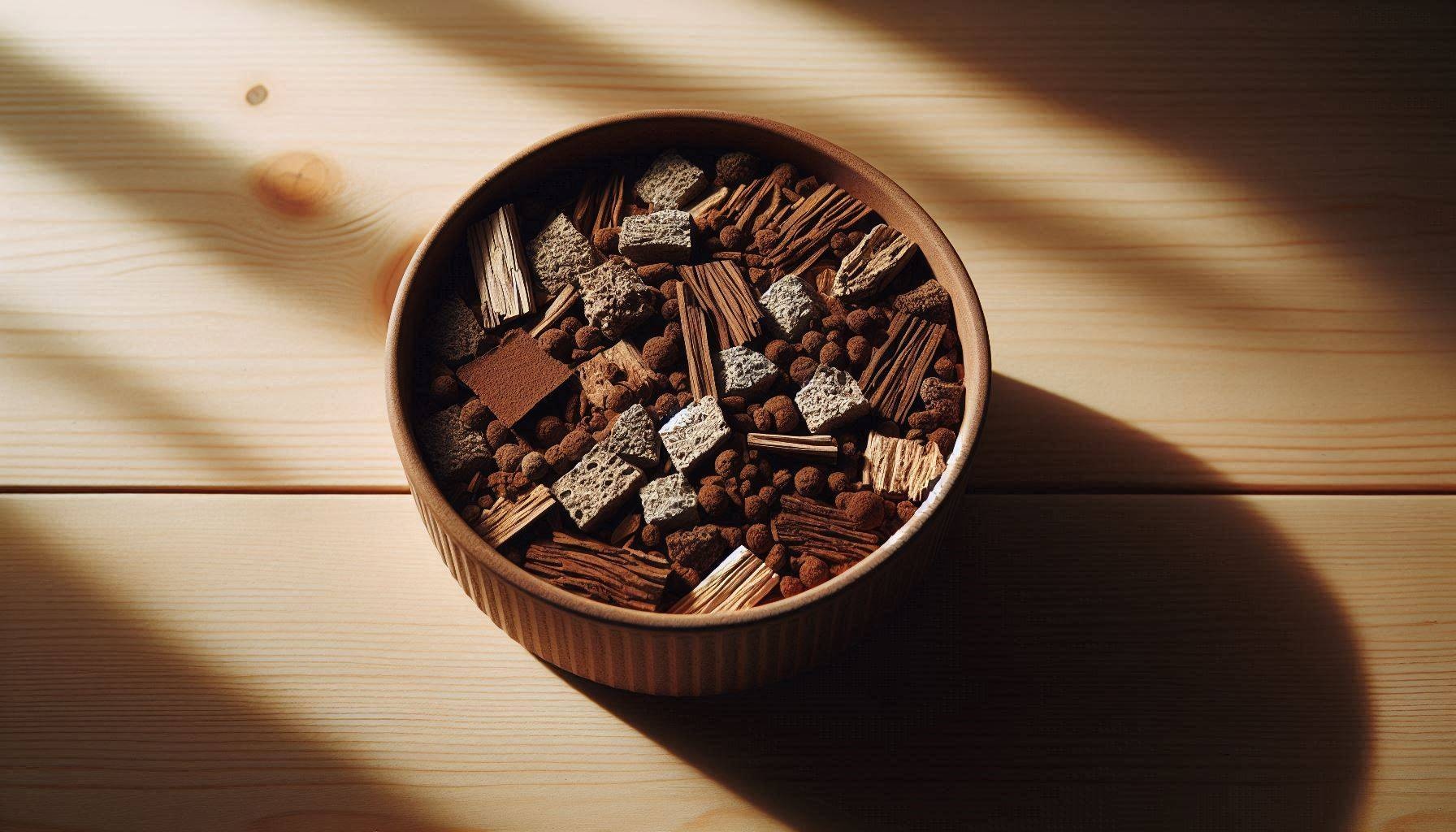
For a starting substrate, see Best Soil for Variegated Monstera: Chunky Aroid Mix. The same principles of airflow and drainage are useful for many Philodendrons.
What If Most or All Roots Are Gone?
If the root system is gone but the stem and at least one viable node remain firm, the plant may be salvageable as a cutting.
Place the viable node in a lightly damp, airy propagation medium such as loose sphagnum or another well-aerated setup. Do not bury the node in saturated material.
The Sphagnum Moss Propagation Guide explains how to avoid compressing the moss and keeping the node too wet.
If the node itself is soft or collapsing, the growth point may no longer be viable.
Aftercare After Root-Rot Treatment
After repotting, stability matters more than aggressive intervention.
- Keep the plant in appropriate bright, indirect light.
- Avoid fertilizing heavily while the root system is recovering.
- Check the root-zone moisture rather than watering on a fixed calendar.
- Avoid moving the plant repeatedly between very different environments.
- Watch for new firm roots and stable new growth rather than expecting old damaged leaves to recover.
For measured light guidance, see How Much Light Do Rare Aroids Need?.
How to Prevent Philodendron Root Rot
Use an airy substrate
Bark, perlite or pumice can help preserve air spaces in the pot. Adjust moisture retention for your climate rather than copying a recipe exactly.
Match the pot to the root system
A modestly sized container dries more predictably than a large pot filled with unused wet substrate.
Water based on the root zone
The top surface can be dry while the center is still wet. A wooden skewer, clear nursery pot or the weight of the container can provide more information than touching only the top centimeter.
Reassess watering when light or season changes
A Philodendron often uses water more slowly in cooler or dimmer conditions. The same watering schedule that worked in summer can keep the root zone wet for too long later in the year.
Frequently Asked Questions
Can a Philodendron recover from root rot?
Yes, when enough healthy stem and root tissue remain. Recovery becomes less likely as decay reaches the stem or destroys every viable node.
Should I cut off yellow leaves after root rot?
Remove leaves that are fully dead or decaying, but do not strip healthy foliage simply because the plant has been repotted. Remaining green leaves can still support recovery.
Should I water immediately after repotting?
The answer depends on how wet the remaining roots and new substrate already are. The goal is an evenly moist but aerated root zone, not a saturated pot. Avoid following a rigid rule without checking the actual moisture level.
How do I know the treatment worked?
Look for a stable stem, new firm roots and eventually healthy new growth. Old damaged leaves may not return to normal even after the root system begins to recover.
The best prevention is simple: enough light, an airy root zone and watering based on what the substrate is actually doing rather than the calendar.