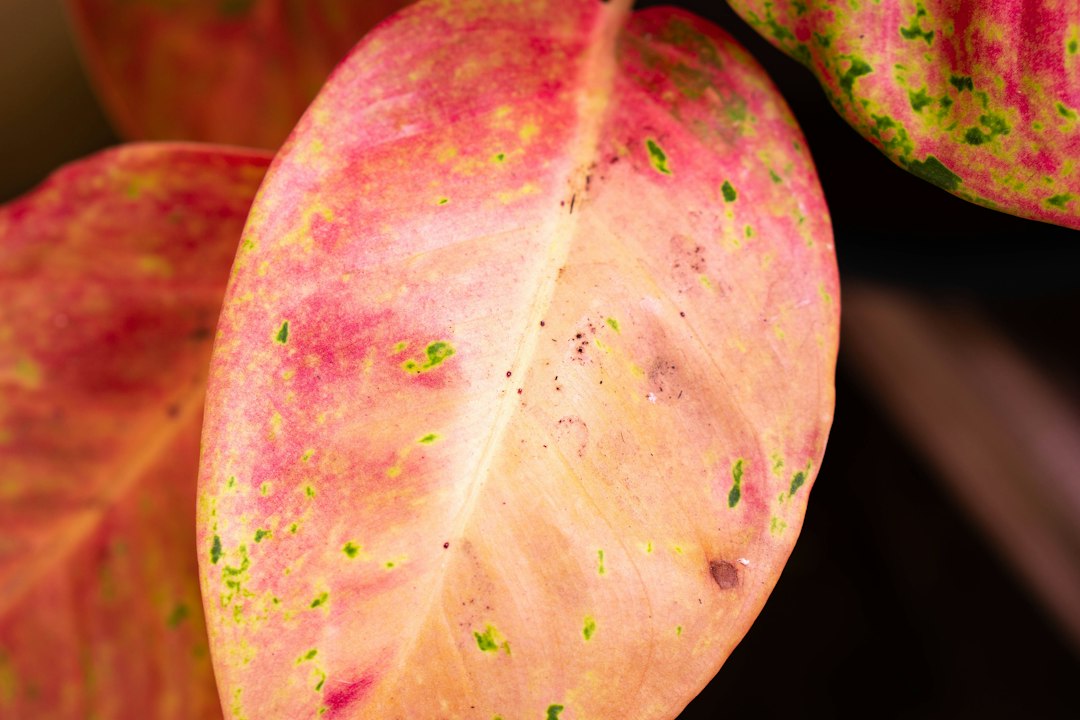
Maintaining the striking pink variegation of a Philodendron erubescens ‘Pink Princess’ requires a careful balance of light exposure, stem monitoring, and selective pruning. Unlike plants with stable genetic variegation, the pink princess philodendron possesses chimeric variegation, meaning the pink and green tissues exist side-by-side in a delicate, unstable state. To keep this pink variegation stable, one must provide bright, indirect light to stimulate the pink cells while being prepared to prune back the stem if the plant begins to produce solid green or entirely pink foliage.
Understanding the growth habit of this climber and reacting quickly to early changes in leaf color are the most effective ways to preserve its highly sought-after appearance.
Understanding the Nature of Pink Variegation
Variegation in the pink princess philodendron is chimeric, a term that refers to a plant containing two distinct types of genetic tissue in its layers. One tissue layer produces chlorophyll (the green sections), while the other lacks chlorophyll, revealing the underlying pink pigments. Because these tissues grow alongside each other in the meristem, the patterns on every new leaf are unpredictable.
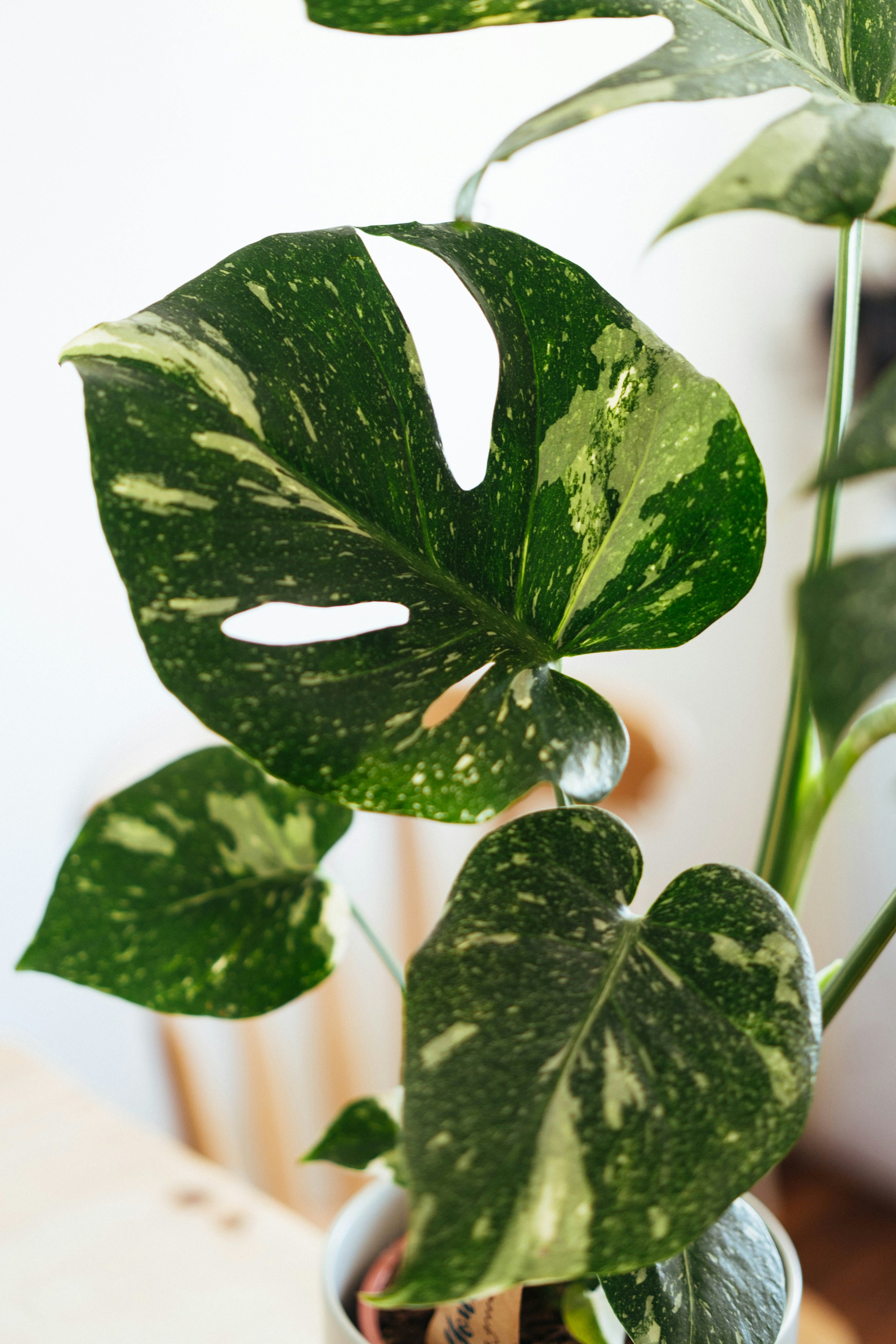
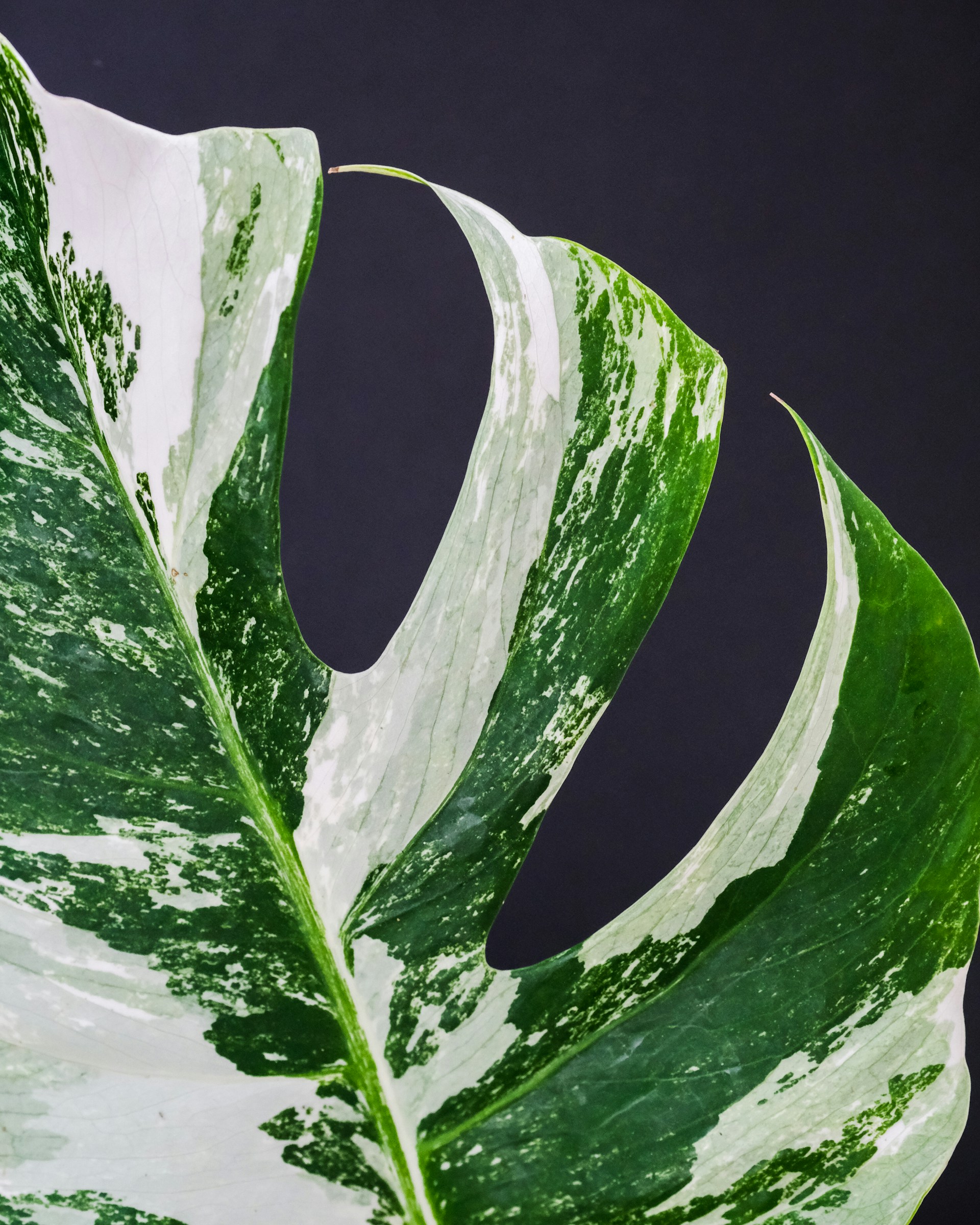
Unlike stable variegation, which is hardwired into a plant’s DNA and reproduces consistently, chimeric variegation is prone to shifting. If the green cells outgrow the pink cells, the plant may slowly revert to its ancestral green form. For those who have experienced similar challenges with other variegated species, reviewing the mechanics behind The Heartbreak of Reversion: Why Your Variegated Monstera is Turning Green (and How to Save It) can provide valuable context on how unstable mutations behave.
Optimizing Light to Prevent Reversion
Light is the primary environmental lever used to maintain stable variegation. Because the pink portions of the leaves lack chlorophyll, they cannot produce energy for the plant. If the plant is placed in low-light conditions, it will naturally compensate by producing more green tissue to maximize photosynthesis and survive.
To support both the pink and green sectors, the plant needs bright, indirect sunlight. Direct sunlight must generally be avoided, as the delicate pink tissues burn easily under intense rays. Conversely, deep shade will almost certainly trigger a transition toward solid green leaves. To determine the ideal placement within a home, consulting a comprehensive resource on lighting, such as How Much Light Do Your Rare Aroids Actually Need? A Real-Talk Guide to Happy Leaves, can help growers measure light levels to ensure the environment is optimal.
The Technique of Strategic Pruning
When a pink princess philodendron begins to produce several consecutive leaves that are either completely green or completely pink, physical intervention is necessary. This process is known as tactical pruning and is designed to stimulate growth from a node with better genetic balance.
To perform a successful pruning operation, follow these steps:
- Examine the stem of the plant to identify the “variegation line.” This line runs along the vine and indicates where the pink and green cells are distributed.
- Locate a node—the point where a leaf meets the stem—that features a balanced mix of pink and green on the stem itself.
- Using sharp, sterilized pruning shears, make a clean cut approximately one-quarter of an inch above the chosen node.
- The dormant bud at this node will be stimulated to grow, and because the node contains a balanced mix of tissues, the new growth is more likely to exhibit stable variegation.
The remaining cutting does not need to go to waste. Propagating the cutting can yield a new plant, and selecting the right medium is critical. Many growers debate whether Is Sphagnum Moss Actually the Holy Grail for Rare Plant Propagation? or if other substrates like water or perlite offer better success rates for transitioning young cuttings.
Differentiating Between Leaf Symptoms and True Reversion
It is easy to confuse temporary physiological leaf changes with true genetic reversion. When assessing a pink princess philodendron, observation must be systematic, separating visible signs from potential underlying causes rather than jumping to a definitive diagnosis.
- Symptom: New leaves emerging with a copper or brownish tint. This is often a natural characteristic of young Philodendron erubescens foliage. The leaves typically transition to dark green and pink as they mature.
- Symptom: Pale, washed-out pink sectors. This appearance may be linked to excessive light exposure bleaching the delicate tissues, or it could point to a nutrient deficiency. It does not necessarily indicate a genetic loss of variegation.
- Symptom: Slow growth accompanied by small, entirely green leaves. While this might look like reversion, it can also be a physiological response to root-bound conditions, low temperatures, or poor watering habits.
- Symptom: Three or more consecutive leaves showing no pink markings whatsoever. This pattern is a strong indicator of genetic reversion, suggesting that the green-producing cells have dominated the growth point.
Essential Pink Princess Care for Overall Plant Vigor
A healthy root system supports the overall vigor of the plant, which in turn helps sustain variegated growth. Providing consistent pink princess care ensures the specimen has the energy required to support non-photosynthetic pink tissues.
- Substrate: Use a well-draining, chunky aroid mix consisting of orchid bark, perlite, peat moss, and charcoal. This structure prevents waterlogging and allows oxygen to reach the roots, reducing the risk of root decline.
- Watering: Water only when the top two to three inches of the soil feel dry. Overwatering can lead to root rot, which quickly damages the plant’s ability to support its foliage.
- Humidity: Maintain humidity levels between 50% and 75%. While the plant can tolerate average household humidity, higher levels prevent new leaves from getting stuck in the cataphyll (the protective sheath) as they unfurl, which can cause physical tearing.
- Fertilization: Apply a balanced, water-soluble fertilizer during the active growing season. Always follow the manufacturer’s product label instructions for dilution rates to avoid fertilizer burn, which can damage the sensitive pink leaf margins.
Practical Checklist for Maintaining Stable Variegation
To ensure consistent monitoring, keep this quick reference checklist in mind during routine maintenance:
- Rotate the pot a quarter-turn every week to ensure even light distribution to all sides of the stem.
- Inspect the stem every month for the presence of the variegation line.
- Wipe the leaves gently with a damp cloth to remove dust, which blocks light absorption.
- Avoid moving the plant frequently, as sudden environmental shifts can stress the foliage.
- Keep a record of consecutive solid green or solid pink leaves to determine when pruning is necessary.
Frequently Asked Questions
Why are the new leaves on a pink princess philodendron emerging completely green?
Solid green leaves typically indicate that the plant is not receiving enough bright, indirect light, causing it to produce more chlorophyll to survive. It can also mean the growth point has transitioned to a purely green cell line, which requires pruning back to a balanced node.
Can a completely pink leaf survive on the plant?
An entirely pink leaf lacks chlorophyll and cannot perform photosynthesis. While it can survive temporarily by drawing energy from the rest of the plant, it will eventually brown and die off. If the plant continues to produce only pink leaves, it must be pruned back to prevent the entire specimen from starving.
Will low humidity cause the pink variegation to fade?
Low humidity does not directly cause the pink variegation to fade, but it can cause the delicate pink sectors of the leaves to develop brown, crispy edges. Low humidity can also lead to new leaves becoming trapped and damaged during the unfurling process.
Key Takeaway
To maintain the pink variegation of a pink princess philodendron, monitor the stem for the variegation line, provide consistent bright, indirect light, and prune back to a balanced node if the plant begins to produce solid green or solid pink foliage.
Related Guides
- The Heartbreak of Reversion: Why Your Variegated Monstera is Turning Green (and How to Save It)
- How Much Light Do Your Rare Aroids Actually Need? A Real-Talk Guide to Happy Leaves
- Why Your Variegated Syngonium Is Losing Its Color
Cover photo by Redicul Pict on Unsplash.