
A newly imported rare plant should be treated as a stressed plant first and a decorative plant second. The safest approach is to stabilize its environment, inspect it carefully, keep light gentle, avoid unnecessary repotting, and make changes gradually during the first week. Shipping stress can look dramatic, but fast intervention is not always the best intervention.
First 30 Minutes: Inspect Before You Water
Unpack the plant as soon as practical and remove any plastic, wet paper, moss wrapped around the leaves, or other shipping material that could trap moisture against foliage. Then inspect the plant before reaching for the watering can.
Check the leaves, petioles, stems, nodes, potting medium, and visible roots. Look for:
- crushed or snapped tissue from transit;
- black or mushy areas that may indicate damaged tissue;
- webbing, scale-like bumps, moving insects, or suspicious speckling;
- roots that are firm versus roots that are soft, hollow, or foul-smelling;
- a potting medium that is bone dry, normally damp, or completely saturated.
Do not assume every yellow leaf or drooping petiole means the plant needs water. Shipping can temporarily reduce transpiration and root function, so a stressed plant may look thirsty even when the root zone is still wet.
Keep the new arrival separate from the rest of the collection during inspection and early acclimation. Quarantine is especially useful with imported plants because pests can be difficult to spot immediately after transit.
Day 1: Stabilize Light, Temperature, and Humidity
The first goal is consistency. Imported plants may have moved through packing rooms, cargo holds, delivery vans, warehouses, and very different climates before reaching the final growing space. Avoid adding another abrupt environmental change.
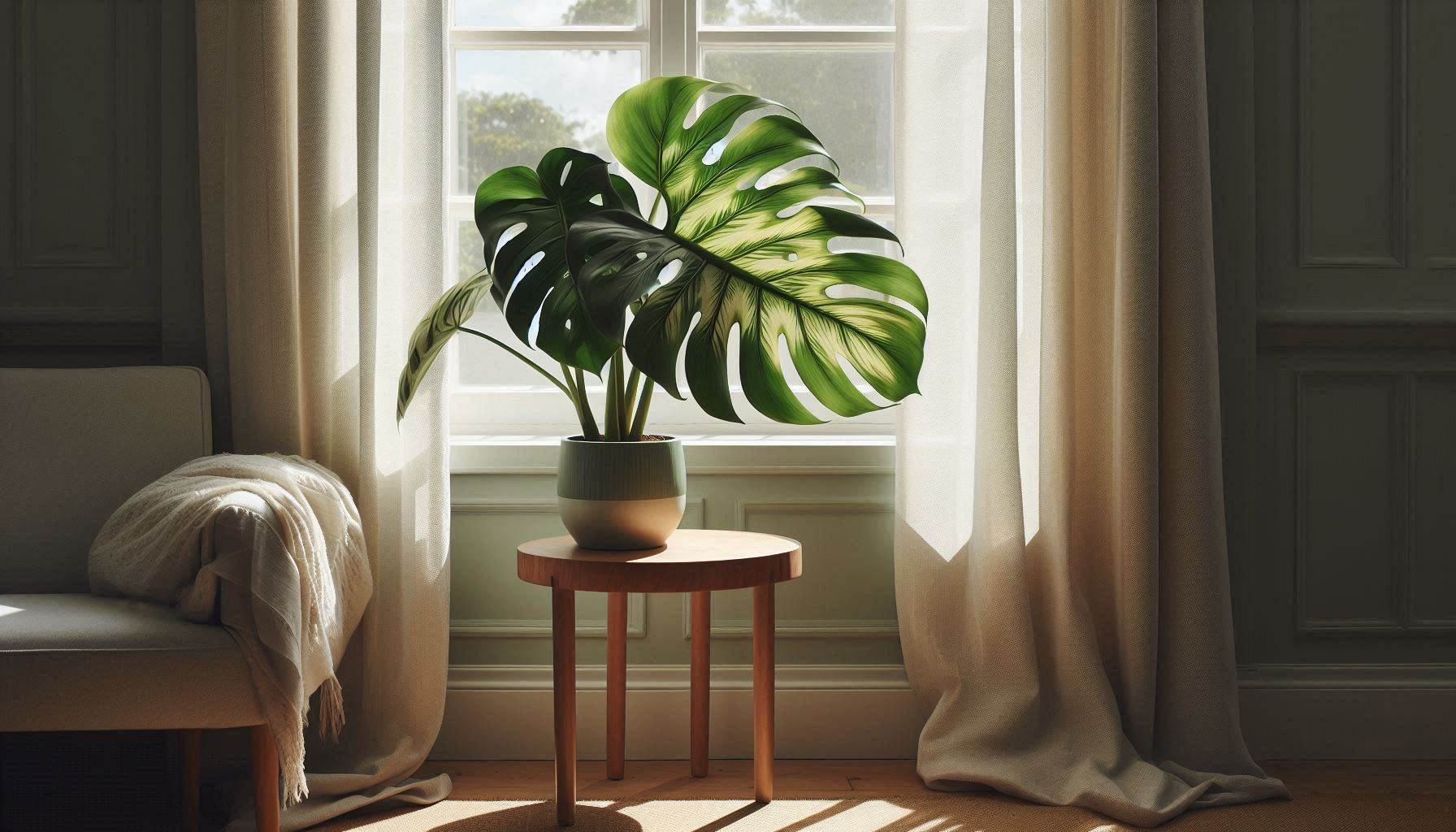
Place the plant in bright, indirect light rather than direct sun. A stressed leaf has less capacity to regulate water loss, and intense light can increase dehydration before the roots are functioning normally again. If the plant has been in darkness for several days, increase light gradually.
A stable indoor temperature is more useful than chasing a perfect number. Keep the plant away from radiators, heating vents, air-conditioning drafts, cold windows, and sudden nighttime temperature drops.
Humidity can help some tropical aroids during recovery, but higher is not always better. Sealing a wet, damaged plant inside a closed humidity box can encourage stagnant conditions. Use moderate humidity with airflow, and only increase humidity if the plant is known to respond well to it.
For plants that already struggle with low indoor humidity, compare the recovery setup with the guide on Humidity Tents vs Greenhouse Cabinets for Rare Plants.
Should You Water an Imported Plant Immediately?
Water according to the root zone, not according to the appearance of the leaves.
If the potting medium is evenly damp and the container feels reasonably heavy, wait. If the plant is genuinely dry through the root zone, water thoroughly and allow excess water to drain. Avoid giving small sips repeatedly; inconsistent wet-dry patches make it harder to judge what the roots are actually experiencing.
Bare-root imports need a slightly different approach. Rehydrate roots gently, then place the plant into an airy medium that holds some moisture without becoming waterlogged. Sphagnum moss can be useful for some plants during transition, but it should remain airy rather than tightly packed. The guide Is Sphagnum Moss Actually the Holy Grail for Rare Plant Propagation? explains the balance between moisture retention and oxygen around developing or stressed roots.
If the plant arrives in dense, saturated soil, do not automatically leave it there for a week just because “repotting after shipping is bad.” A dangerously waterlogged or decomposing substrate can be the bigger risk. The decision should be based on root health and medium condition.
Days 2-3: Do Less and Watch More
The second and third days are often when growers become tempted to change several things at once. Resist that urge unless there is a clear problem.
Watch for trends rather than isolated symptoms. A single damaged leaf may continue to decline even while the plant is recovering. What matters more is whether the stem remains firm, roots remain healthy, and new damage stops appearing.
Normal shipping stress can include:
- temporary drooping;
- one or two yellowing older leaves;
- cosmetic tears or bends;
- slight loss of firmness;
- stalled growth.
More concerning signs include rapidly spreading black tissue, a sour smell from the root zone, stems becoming soft at the base, or roots collapsing into brown mush. If root rot is suspected, use the same inspection principles described in How to Spot and Treat Philodendron Root Rot Before It’s Too Late.
Do not fertilize during this early stage. Fertilizer does not repair shipping damage, and a root system that is not actively growing may be less able to use added nutrients. Wait until the plant is stable and showing signs of resumed growth.
Days 3-7: Decide Whether Repotting Is Actually Necessary
Not every imported plant needs an immediate repot. If roots look healthy, the medium drains well, and moisture levels are manageable, leaving the root ball undisturbed can reduce additional stress.
Repot sooner when there is a specific reason, such as:
- decomposed or foul-smelling substrate;
- severe waterlogging that is not drying;
- obvious root rot;
- a container with inadequate drainage;
- bare-root shipping that requires a new growing medium.
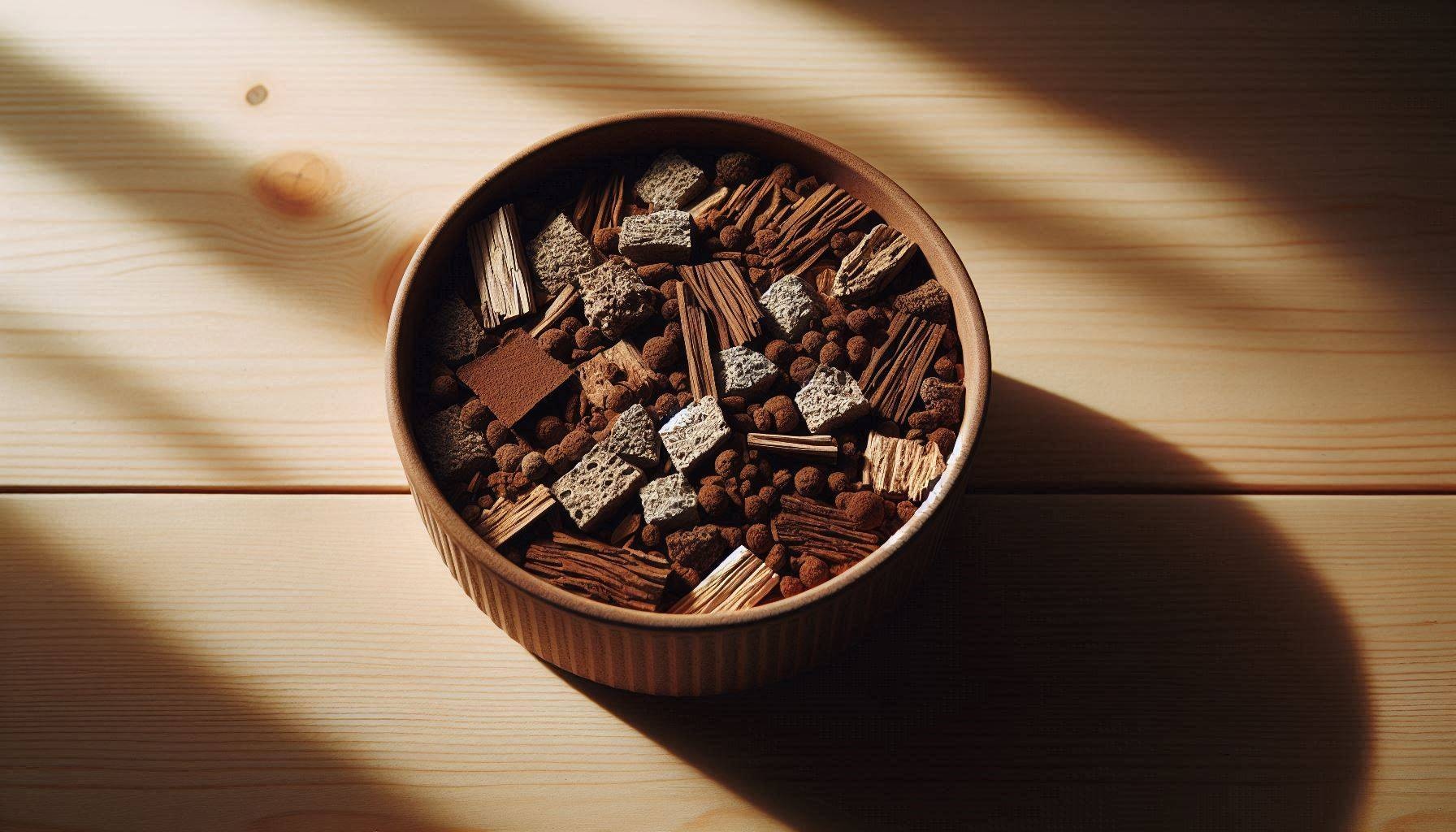
When repotting, choose a pot only slightly larger than the healthy root system. An oversized pot holds more water around a small or compromised root mass. Use a loose substrate with enough structure to maintain airflow.
For aroids, the article Best Soil Mix Recipes for Rare Aroid Collections gives practical ratios for bark, perlite or pumice, moisture-retentive material, and other components. The exact mix should still be adjusted for the plant, pot size, indoor humidity, and watering habits.
After repotting, avoid combining multiple additional changes on the same day. Do not move the plant into strong grow lights, fertilize it, prune healthy tissue, and raise humidity dramatically all at once.
How to Acclimate a Variegated Plant Without Burning It
Variegated plants deserve extra caution with light after shipping. White or pale leaf tissue contains less chlorophyll, and stressed leaves may be especially vulnerable to abrupt exposure.
Start below the light intensity the plant will eventually receive. Increase exposure over several days as the leaves regain firmness and the plant shows stable water uptake. Bright indirect light is usually a safer recovery position than direct afternoon sun.
Do not respond to fading variegation by immediately pushing a stressed plant into much stronger light. Variegation patterns are influenced by the plant’s genetics and growth behavior, and a shipping-stressed plant should first regain basic stability.
If a variegated Monstera later begins producing greener growth, use the separate guide Why Your Variegated Monstera Is Turning Green and How to Save It rather than treating light intensity as the only possible explanation.
The 7-Day Imported Plant Acclimation Checklist
Use the first week as a stabilization period rather than a deadline for perfect appearance.
Day 1
- Unpack and inspect the entire plant.
- Isolate it from the collection.
- Check moisture before watering.
- Place it in bright, indirect light.
- Keep temperature and airflow stable.
Days 2-3
- Monitor the root zone and damaged tissue.
- Remove only tissue that is clearly dead, rotting, or creating a sanitation problem.
- Do not fertilize.
- Avoid repeated moves around the house.
Days 4-5
- Reassess root health and substrate.
- Repot only if the existing setup creates a clear risk.
- Begin small light adjustments if the plant is stable.
Days 6-7
- Look for stable petioles, normal water use, and no spreading damage.
- Continue quarantine.
- Maintain a consistent routine instead of chasing every cosmetic symptom.
Acclimation does not always end after seven days. Large imports, bare-root plants, Anthuriums with delicate root systems, or plants exposed to temperature extremes in transit may need longer before they resume active growth.
Common Acclimation Mistakes
The most damaging mistakes usually come from doing too much too quickly.
Watering because the leaves droop. Check the medium and roots first. Drooping after shipping is not proof of dehydration.
Repotting automatically. Repot when the root zone gives you a reason, not because the calendar says day one.
Using intense light to “wake the plant up.” Strong light can increase stress before root function recovers.
Fertilizing immediately. Wait until the plant is stable and growing again.
Creating extremely high humidity with no airflow. Moisture on damaged tissue plus stagnant air can create additional problems.
Changing several variables together. If light, humidity, soil, pot size, watering, and temperature all change at once, it becomes almost impossible to identify what is helping or hurting.
Frequently Asked Questions
How long does it take an imported plant to acclimate?
Minor shipping stress may settle within several days, while root recovery and new growth can take several weeks. Judge progress by stable tissue, healthy roots, normal water use, and eventually new growth rather than by a fixed timetable.
Should you repot an imported plant immediately?
Not automatically. Repot immediately when the substrate or roots present a clear risk, such as rot, persistent waterlogging, or bare-root shipping. If the root zone is healthy and stable, avoiding unnecessary disturbance can be the better choice.
Should imported tropical plants go into a humidity box?
Some tropical plants benefit from moderately higher humidity during recovery, but a sealed, stagnant box is not automatically safer. Match humidity to the plant and maintain airflow, especially when leaves or stems have shipping damage.
When can you fertilize after shipping?
Wait until the plant has stabilized and shows signs that roots and growth are active again. Fertilizer is not a treatment for shipping stress.
The most reliable acclimation strategy is simple: inspect first, stabilize the environment, protect the roots, and make only the changes that the plant’s condition actually requires.
Cover photo: Eviandriani55, CC BY-SA 4.0, via Wikimedia Commons. No changes made.
