Identifying the exact nature of a plant’s colorful foliage is the first step toward keeping it healthy and maintaining its unique look. Variegation—the appearance of differently colored zones on leaves—is not a single, uniform phenomenon. Instead, it is divided into distinct categories: chimeric, pattern-gene, and viral. Recognizing these differences helps growers predict whether a plant’s coloration is permanent, whether it will pass down to future generations, or whether it indicates a health issue that requires immediate isolation.
Understanding the Broad Types of Variegation
To successfully cultivate rare foliage, understanding the underlying types of variegation is essential. Variegation occurs when certain areas of a plant’s leaves lack chlorophyll, the green pigment responsible for photosynthesis. This lack of pigment leaves behind shades of white, cream, yellow, pink, or light green. While all variegation results in a multi-colored leaf, the biological mechanisms behind these colors vary significantly.
Botanists generally classify these patterns based on how they originate. Some stem from a spontaneous mutation in the plant’s growing cells, others are encoded directly into the plant’s DNA, and some are the result of external pathogens. By identifying which category a houseplant falls into, one can tailor its care, propagation methods, and placement within a collection.
Chimeric Variegation: The Beautiful Genetic Accident
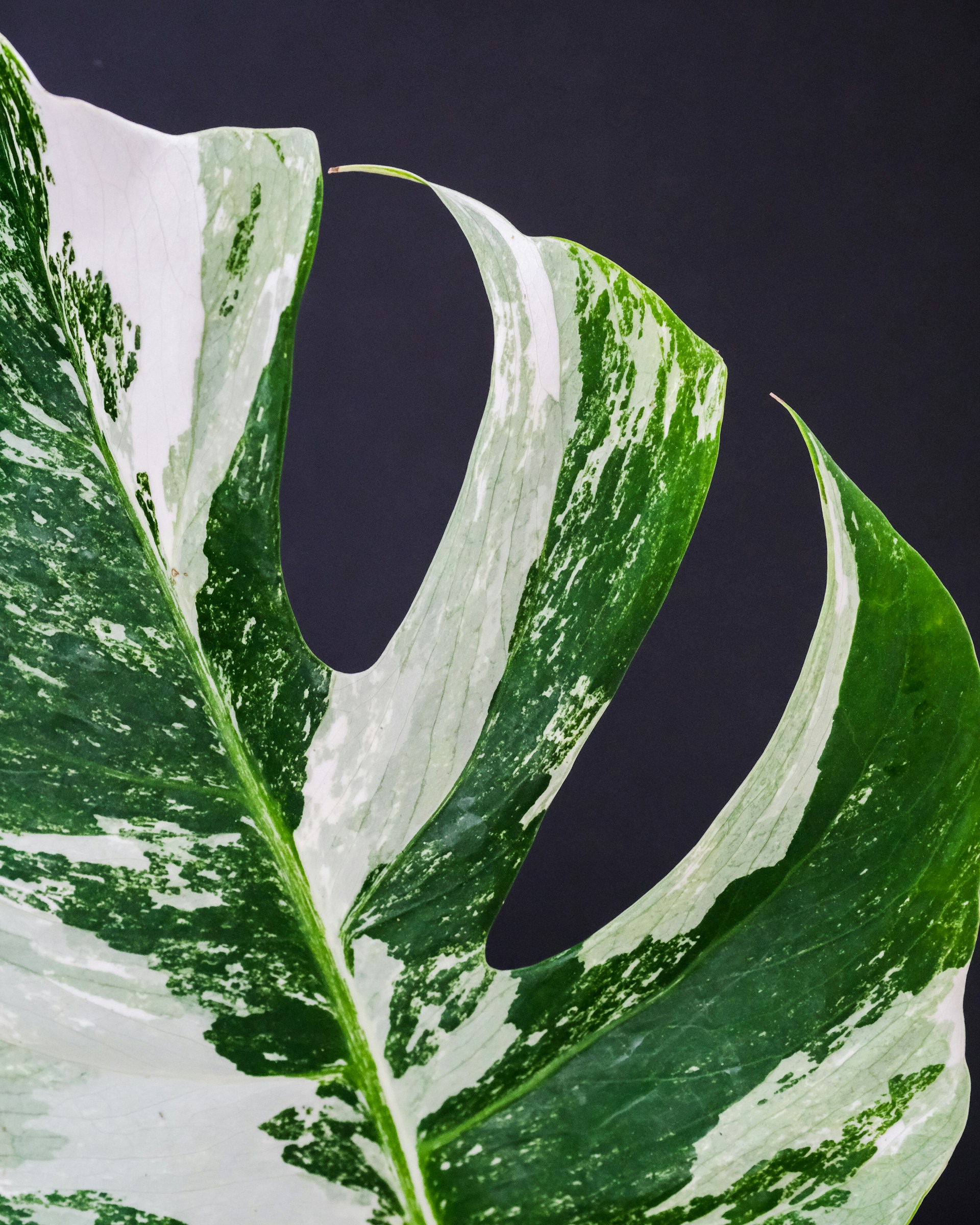
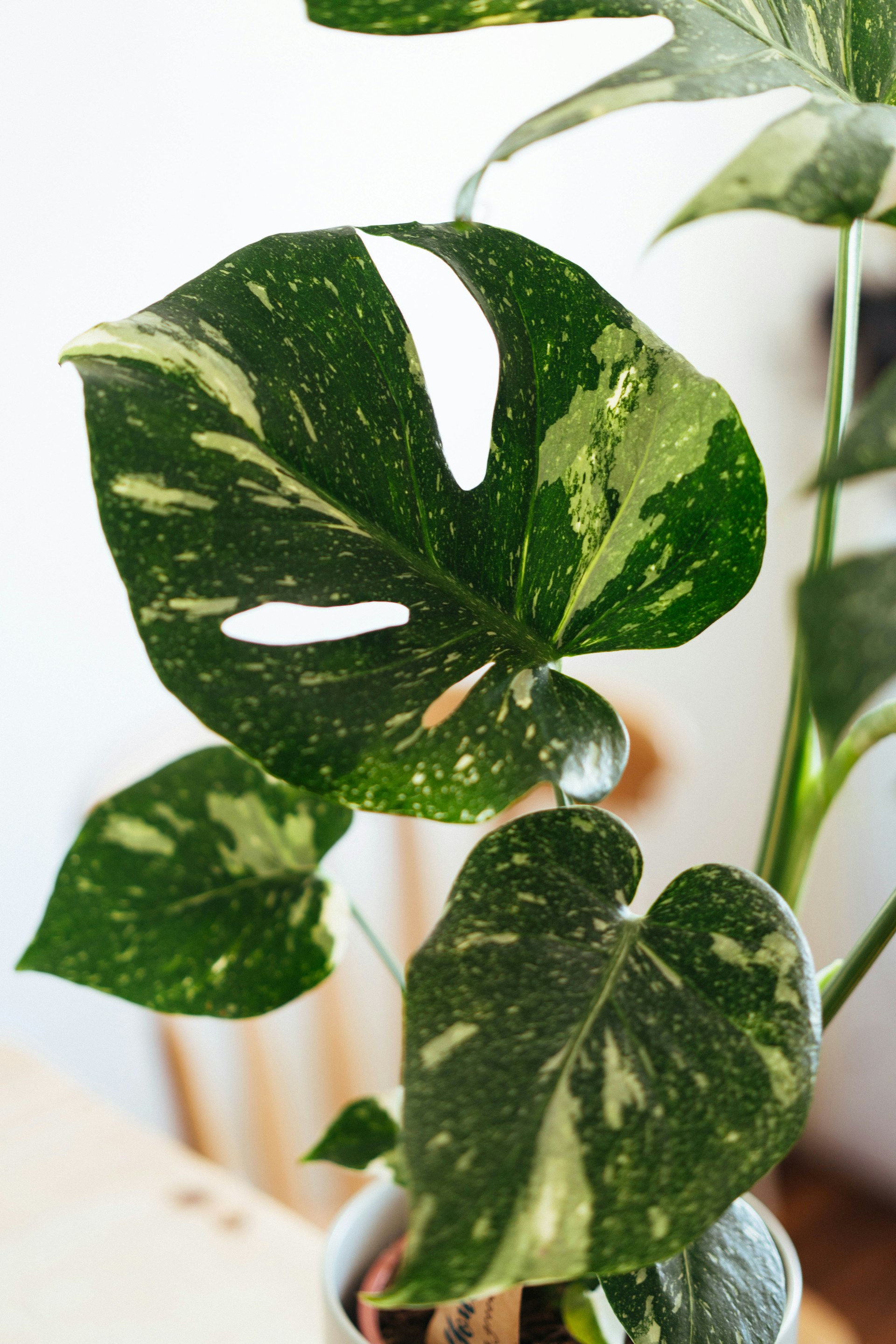
Chimeric variegation is perhaps the most famous and highly sought-after form in the rare plant hobby. This type occurs when a plant contains two or more genetically distinct types of tissue growing side-by-side. In a chimera, a mutation occurs in the apical meristem—the growing tip of the plant—preventing some cells from producing chlorophyll. As the plant grows, these mutated cells multiply alongside normal green cells, creating a mosaic of green and variegated patches.
Because chimeric variegation relies on a physical mixture of different cells rather than a uniform genetic blueprint, it is highly unstable. If the green cells outgrow the mutated cells, the plant may lose its variegation entirely. For instance, managing a plant that begins to lose its white patches requires specific pruning techniques to encourage balanced growth, as detailed in this guide on The Heartbreak of Reversion: Why Your Variegated Monstera is Turning Green (and How to Save It).
Key features of chimeric variegation include:
- Asymmetrical, random patterns on leaves (no two leaves look identical).
- Striping on the stems, which indicates that both mutated and normal cells are traveling through the node.
- A high susceptibility to reversion if environmental conditions or pruning practices are not managed.
- Inability to reproduce through seed, as the mutation is not carried in the plant’s reproductive DNA.
Pattern-Gene Variegation: Reliable and Hereditary
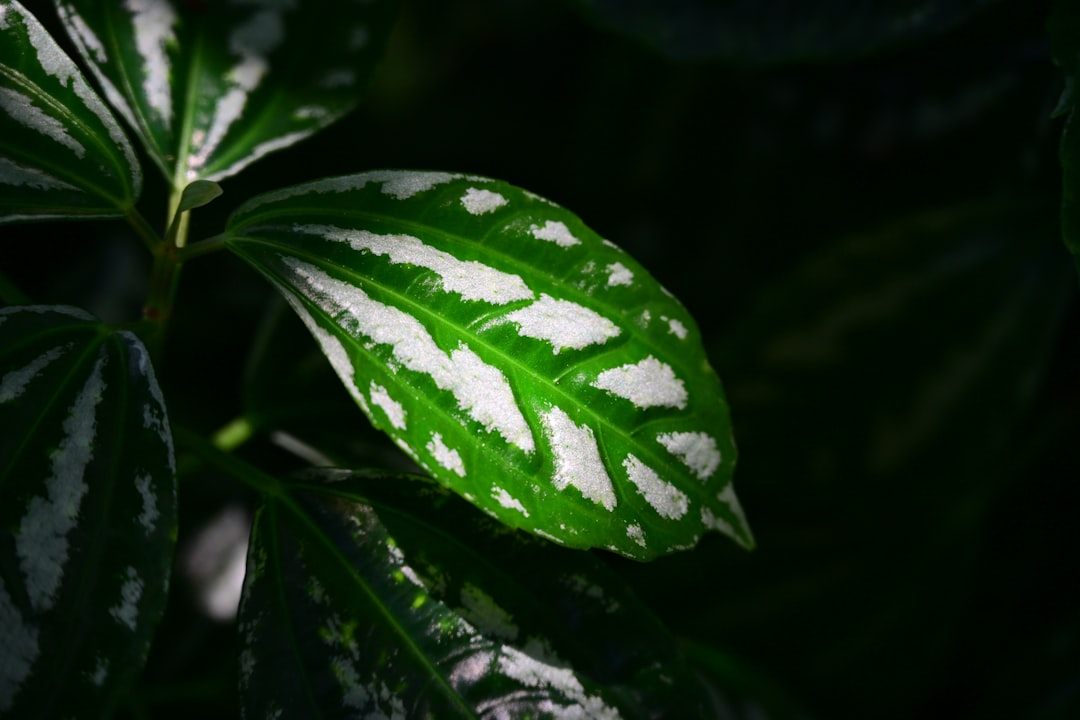
Unlike unstable chimeras, pattern variegation (often called genetic or pigment variegation) is written directly into the plant’s DNA. Every single cell in the plant carries the genetic instructions to produce specific patterns of color. This means the variegation is highly stable, predictable, and symmetrical.
Plants with pattern-gene variegation will produce leaves with virtually identical layouts of color, regardless of pruning or propagation. This predictability makes them popular candidates for commercial cultivation. When considering whether to purchase specimens grown via advanced propagation methods, understanding this genetic stability is helpful, as explored in the overview of Is It Worth Buying Tissue-Cultured Rare Plants? An Honest Guide for Hobbyists.
Common signs of genetic pattern variegation include:
- Highly symmetrical patterns, such as stripes, silver veins, or colored margins that repeat predictably on every leaf.
- The ability to propagate the plant reliably through stem cuttings, leaf cuttings, or even seeds, with the variegation remaining intact.
- Resistance to reversion; these plants do not spontaneously turn fully green because the coloration pattern is a permanent genetic trait.
- Examples include the silver stripes of a Calathea or the distinct patterns found on many species of Maranta.
Viral Variegation: When Patterns Indicate Infection
In some instances, multi-colored foliage is not the result of genetics or cellular mutations, but rather a symptom of a pathogen. This is known as viral variegation. Various plant viruses, such as the Mosaic Virus, interfere with a plant’s ability to produce chlorophyll in localized areas, leading to distinctive light-colored patches, streaks, or speckling.
While some historical plant varieties have been cultivated specifically for their virus-induced patterns, viral infections in modern houseplants are generally considered a serious threat. Viruses can weaken the plant over time, stunt its growth, and spread rapidly to nearby healthy specimens via pests or contaminated pruning tools.
Identifying viral variegation can be challenging because symptoms vary. However, certain clues can help growers distinguish a viral infection from other forms of variegation:
- Irregular, feather-like, or pixelated mosaic patterns that do not follow leaf veins naturally.
- Accompanying physical deformities, such as puckered, distorted, crinkled, or stunted leaves.
- A general decline in the plant’s vigor, slow growth, or unexplained leaf drop.
- Symptoms that appear suddenly on new growth of a plant that was previously solid green.
How to Safely Assess and Manage a Suspected Plant Virus
Because viral infections are contagious and currently untreatable, taking immediate, cautious steps is vital to protect an entire plant collection. If a plant displays signs that could indicate a viral infection, do not panic, but act methodically:
- Isolate the Plant Immediately: Move the suspect plant to a separate room away from all other foliage. This prevents contact transmission and limits the spread via pests like thrips or aphids.
- Sanitize Tools: Clean all shears, knives, and stakes with an appropriate disinfectant (such as rubbing alcohol or a diluted bleach solution prepared according to safety guidelines) before and after touching any plant.
- Observe New Growth: Monitor the plant in isolation. Nutrient deficiencies or pest damage can sometimes mimic viral patterns. If new leaves grow normal, healthy, and flat, the issue may have been environmental.
- Avoid DIY Chemical Remedies: There are no chemical cures or home remedies that can eradicate a systemic virus from a plant’s tissue. Applying off-label chemicals or unverified homemade sprays will not cure the virus and may severely damage the plant’s roots or foliage.
Supporting Variegated Foliage Through Proper Care
Regardless of the origin of a plant’s colored leaves, variegated plants generally require more precise care than their solid-green counterparts. Because they contain less chlorophyll, they are less efficient at photosynthesizing light into energy.
Providing the correct amount of light is the most critical factor in maintaining healthy variegated growth and preventing stress. Insufficient lighting can trigger reversion in chimeric plants or lead to weak, leggy growth. To understand how to balance light levels without scorching delicate white tissue, refer to How Much Light Do Your Rare Aroids Actually Need? A Real-Talk Guide to Happy Leaves.
In addition to light, ensure consistent watering practices, adequate humidity, and careful fertilization. Avoid over-fertilizing with high-nitrogen formulas, as excess nitrogen can sometimes encourage rapid, all-green growth in plants prone to reversion.
Frequently Asked Questions
Can chimeric variegation be grown from seed?
No. Because chimeric variegation is caused by a random mutation in the physical cells of the growing tip rather than a genetic trait locked in the plant’s DNA, it cannot be passed down through seeds. Plants grown from seeds of a chimeric parent will almost always revert to solid green.
Is viral variegation always harmful to the plant?
While some plants can live for years with mild viral infections, viruses generally compromise the plant’s long-term health, reduce its growth rate, and make it more vulnerable to environmental stressors. Additionally, the risk of the virus spreading to other susceptible plants in a collection makes keeping a virally infected plant highly risky.
How can one tell the difference between genetic pattern variegation and a nutrient deficiency?
Genetic pattern variegation is highly symmetrical, consistent, and appears on every new leaf in a predictable manner without affecting the structural integrity of the leaf. Nutrient deficiencies, such as chlorosis, often affect older leaves first, cause overall yellowing between the veins, and are frequently accompanied by limp stems, dry edges, or stunted growth.
Before purchasing or propagating a variegated plant, take time to inspect the symmetry of its leaves, check the stems for striping, and observe the overall vigor of the plant. Understanding these details ensures a healthier collection and more successful propagation outcomes.