
Rare and variegated houseplants require significantly less fertilizer than heavy-feeding garden crops or common fast-growing indoor species. Because variegated leaves contain less chlorophyll, these plants process nutrients at a slower metabolic rate. Over-application easily leads to mineral salt accumulation around delicate roots, resulting in tissue burn, leaf tip browning, or stunted growth. To keep rare plants healthy without risking fertilizer burn, dilute a balanced liquid fertilizer to one-quarter or one-half of the strength recommended on the product label and apply it only when the plant is actively growing under adequate light.
Understanding Rare Plant Nutrition and Metabolic Demands
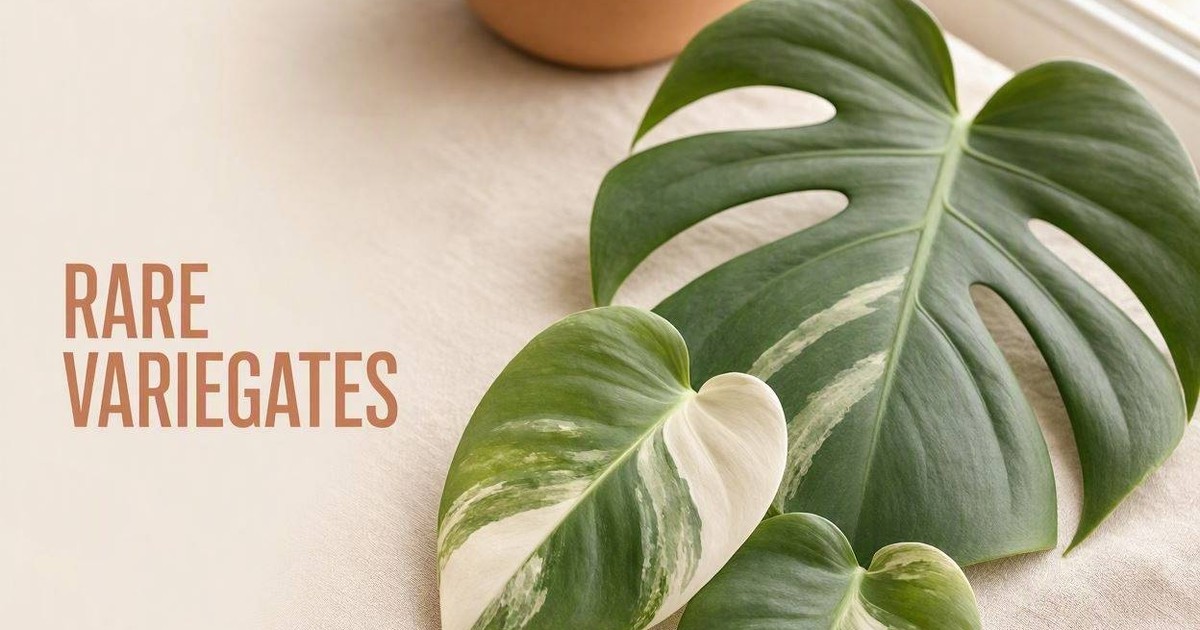
Houseplants rely on essential macro- and micronutrients—including nitrogen, phosphorus, potassium, calcium, and magnesium—to construct cell walls, produce chlorophyll, and expand root networks. However, rare plant nutrition requires a nuanced approach compared to standard indoor foliage. Many highly prized specimens, such as variegated Monstera, Philodendron, or Anthurium cultivars, possess reduced amounts of green photosynthetic tissue. With less chlorophyll available to convert ambient light into chemical energy, the overall metabolic rate of a variegated plant is reduced.
When nutrients are supplied faster than the plant’s metabolic capacity can process them, the unused minerals remain in the potting substrate. Additionally, epiphytic and semi-epiphytic species naturally grow attached to tree bark in wild environments where nutrient exposure occurs in micro-doses from rainwater runoff and organic debris. Replicating these low-concentration conditions indoors prevents root shock. Providing a well-aerated medium, such as those discussed in Best Soil Mix Recipes for Rare Aroid Collections, ensures that applied liquid feeds drain freely rather than lingering around delicate root hairs.
Observable Signs That May Point to Overfertilization
Identifying when a plant receives too much fertilizer involves monitoring both the physical substrate and the foliage. Because many symptoms overlapping with nutrient excess can also stem from environmental stressors, physical indicators should be evaluated systematically rather than treated as a guaranteed diagnosis.
Observable symptoms on foliage and soil include:
- White or crusty deposits on substrate surfaces: Mineral salts from unused fertilizer crystallize on top of soil or along the inner edges of terracotta pots as moisture evaporates.
- Crisp, brown leaf margins or tips: High concentrations of dissolved salts in the soil pull water away from root cells through osmosis, causing foliage margins—especially soft variegated areas—to dry out and turn brown.
- Yellowing lower leaves combined with rapid drop: Unbalanced osmotic pressure can cause sudden foliage chlorosis and premature leaf shedding.
- Limp or wilting stems in moist soil: When salt levels burn fine feeder roots, the plant loses its capacity to absorb water, leading to drought-like foliage droop despite adequate substrate moisture.
- Blackened root tips: Excess nutrient salts can chemically scorch tender root tips, leaving them soft or brittle.
It is important to differentiate nutrient burn from pest damage or environmental issues. For instance, sap-sucking insects or low humidity can also cause leaf browning. Always inspect foliage closely for pests and evaluate recent watering habits before assuming overfertilization is the sole cause.
Safe Feeding Schedules for Variegated and Rare Species
Timing fertilizing houseplants appropriately relies on observing active plant growth rather than adhering strictly to a calendar date. Plants consume nutrients primarily when ambient light, temperature, and humidity levels support active photosynthesis and new leaf production.
- Active Growth Phase (Spring and Summer): During periods of consistent growth, feeding once every three to four weeks using a highly diluted liquid formula provides sufficient nutritional support. If plants are grown under continuous LED grow lights in environmental cabinets, growth may continue year-round, requiring a steady but diluted feeding routine.
- Dormant or Slow-Growth Phase (Late Autumn and Winter): When natural sunlight decreases and indoor temperatures drop, photosynthesis slows considerably. Supplying fertilizer during this period creates a buildup of unused salts in the soil. Pausing fertilizer application or reducing it to a minimal fraction every six to eight weeks is standard practice during lower-light months. Reviewing guides like Winter-Proofing Rare Plants: A Cold Weather Care Guide helps adjust care routines appropriately as ambient conditions shift.
- Newly Acclimated or Repotted Specimens: Plants transitioning to a new environment or recovering from root disruption should not be fertilized immediately. Allow newly repotted plants four to six weeks to establish fresh root tips before introducing synthetic or concentrated organic nutrients.
Selecting Fertilizer Formulas and Dilution Ratios
Not all commercial fertilizers are formulated equally, and rare plants benefit most from gentle, controllable nutrient deliveries.
- Balanced Liquid Synthetics: Liquid fertilizers with a balanced N-P-K (nitrogen, phosphorus, potassium) ratio allow for precise dosage control. Diluting liquid formulas to 25% or 50% of the manufacturer’s recommended label rate minimizes the risk of root burn while supplying essential macro-nutrients.
- Organic Amendments: Options like kelp meal, fish hydrolysate, or worm castings decompose slowly and release low levels of nutrients over extended periods. While organic feeds carry a lower risk of sudden root burn, their nutrient availability depends on soil micro-organisms, which can be less active in synthetic coarse potting mixes.
- Controlled-Release Granules: Granules release nutrients based on temperature and moisture. While convenient, controlled-release fertilizers can release unpredictable spikes of nitrogen during high-temperature periods, making precise control difficult for delicate variegated specimens.
Always review manufacturer label safety instructions, dilution tables, and storage guidelines before mixing concentrated chemical or organic solutions.
Remedial Steps for Mineral Salt Buildup and Root Stress
When signs point toward potential nutrient excess or salt accumulation, prompt action prevents ongoing root damage and protects plant vigor.
Checklist for flushing accumulated salts:
- Leach the Substrate: Move the potted plant to a sink or drainage basin. Slowly pour lukewarm tap water or distilled water through the top of the substrate, allowing a volume equivalent to two or three times the pot capacity to drain completely out of the bottom drainage holes. This process dissolves and washes out accumulated mineral salts.
- Inspect the Root System: If the plant shows persistent wilting or severe leaf loss despite flushing, gently slide the root ball from its container. Check for healthy, firm roots. If roots appear dark, mushy, or display signs of decay, affected tissue must be pruned with sanitized shears. Understanding root health markers covered in How to Spot and Treat Philodendron Root Rot Before It’s Too Late can help distinguish salt burn from fungal pathogen infections.
- Pause Feeding: Withhold all fertilizers for at least six to eight weeks following a soil flush to give root tissue time to regenerate.
- Resume at Reduced Strength: Reintroduce nutrient applications gradually, starting at a lower concentration than previously used.
Protecting Substrates and Maintaining Long-Term Balance
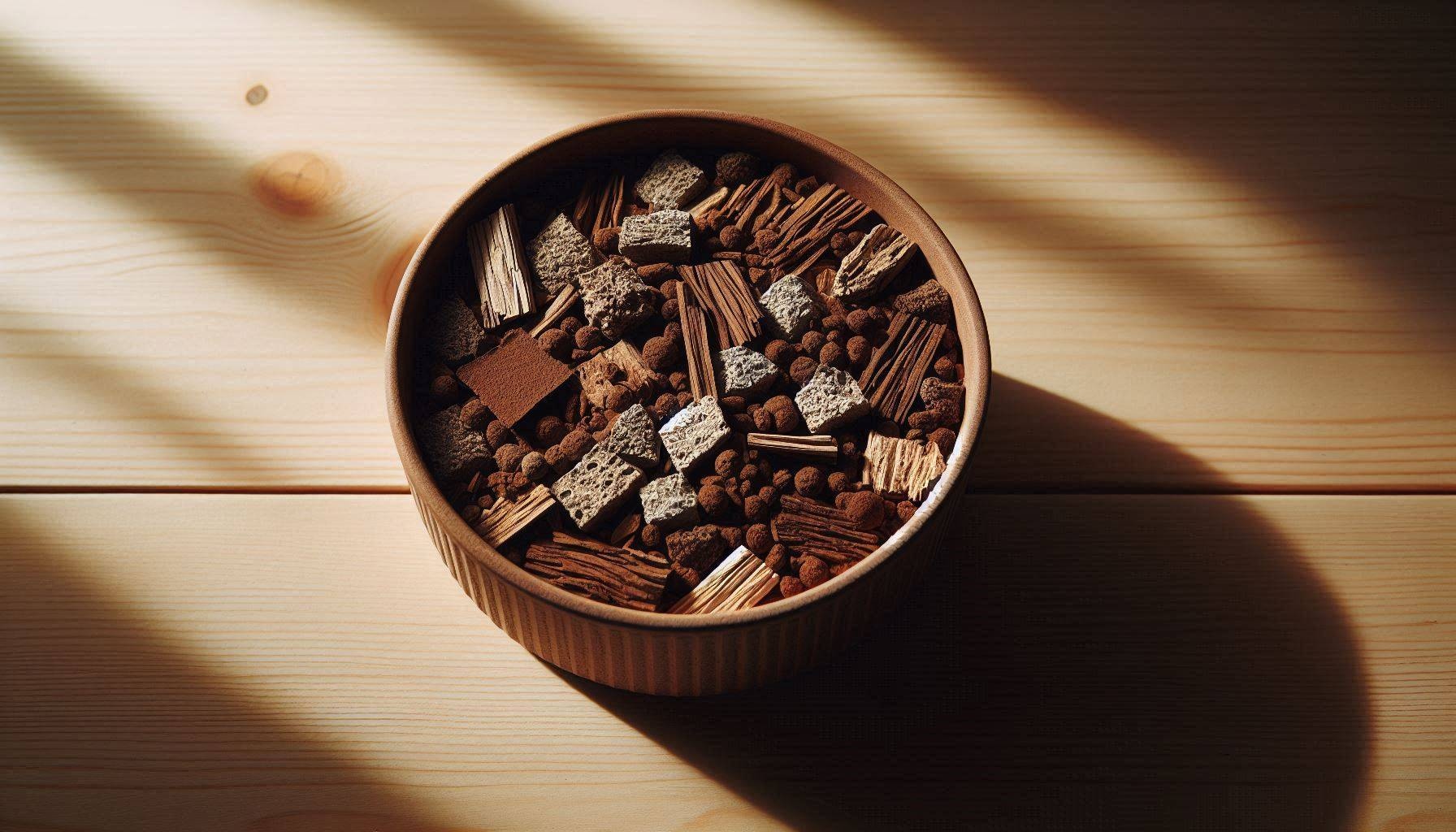
Preventing nutrient burn long-term requires managing substrate composition and watering habits alongside nutrient application. Coarse, highly porous substrates containing orchid bark, perlite, pumice, and charcoal allow excess water and dissolved minerals to rinse out during regular waterings. Compacted or dense peat-based soils retain water and dissolved mineral salts for extended durations, significantly increasing salt burn risks.
In addition, always ensure the potted plant receives a thorough watering with plain water before applying diluted fertilizer solutions. Applying liquid fertilizer directly to completely dry soil can shock dehydrated root membranes, leading to immediate salt damage even at low fertilizer concentrations.
Frequently Asked Questions
Should rare plants be fertilized right after repotting?
No. Fresh commercial potting mixes often contain starter nutrients, and newly repotted root systems are vulnerable to physical stress and micro-tears. Waiting four to six weeks before resuming a light fertilizing routine allows root tissue to heal and establish in the new substrate.
Can foliage spraying replace root fertilizing for variegated plants?
Foliar feeding can provide supplementary micronutrients directly through stomata, but it should not fully replace root-zone feeding. When applying foliar sprays, test a small section of a leaf first, as delicate, non-pigmented white sections of variegated leaves can develop spotting or tissue collapse from liquid mineral contact.
How does grow light intensity affect fertilizer frequency?
Higher light intensity speeds up photosynthesis, causing plants to use water and soil nutrients faster. Rare plants maintained under strong grow lights for 12 to 14 hours daily may require more frequent light fertilization than plants kept in low or moderate natural light, provided temperature and humidity levels support active growth.
Assess ambient light and active growth first, dilute liquid fertilizers to fractional strength, and flush potting substrates periodically to maintain a safe, balanced environment for rare plant collections.