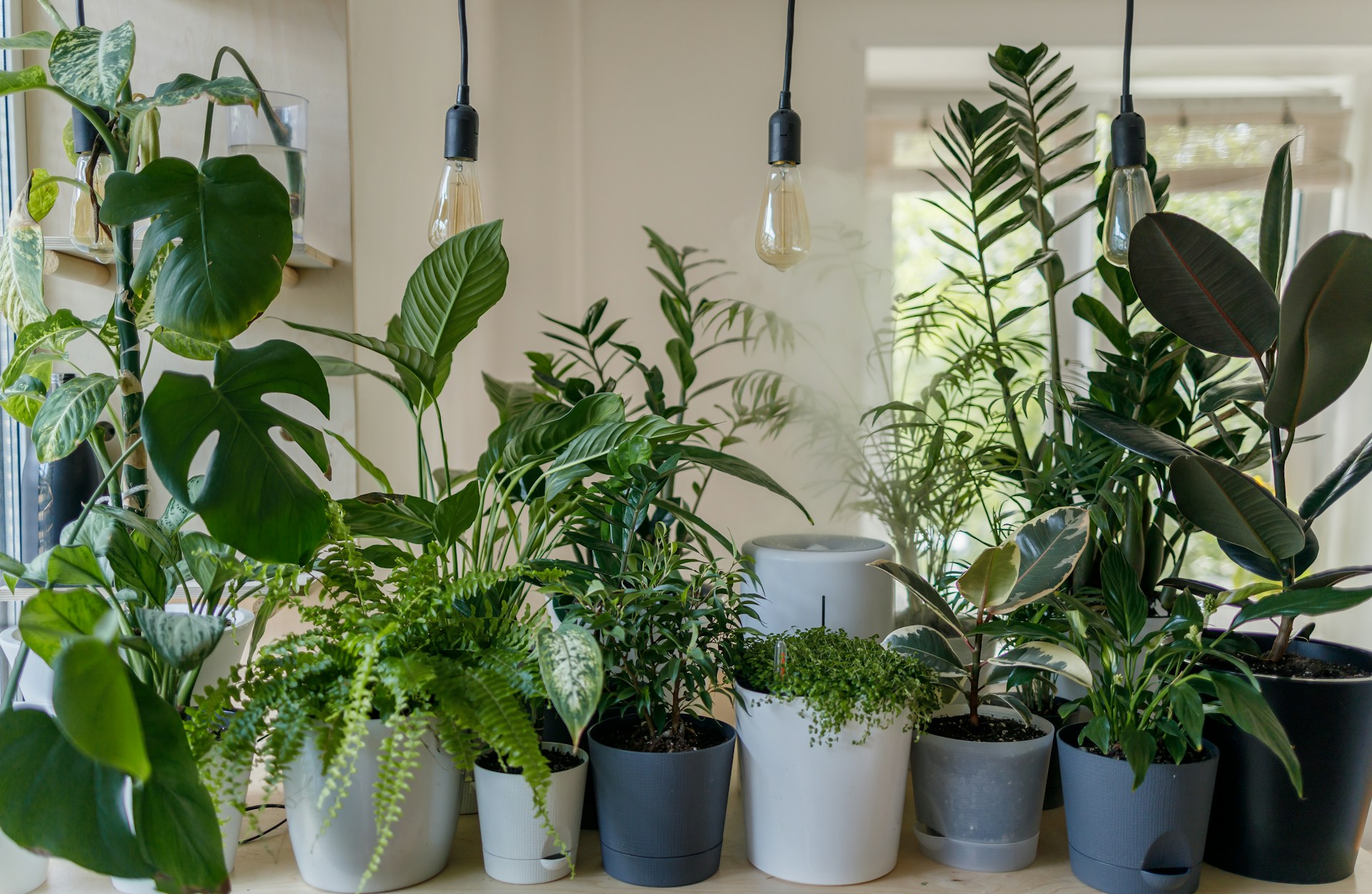
Feng shui is a Chinese tradition about arranging a home so that energy, called qi, flows smoothly. Plants are often used in feng shui because they bring living energy, soften rooms, and add a connection to nature.
You do not need to redesign your entire home to use these ideas. A healthy plant in the right room can be a simple way to introduce the look and feel of feng shui while still choosing plants that genuinely work for your space.
This guide explains which plants are commonly associated with different feng shui qualities, where to place them, how to care for them, and what to consider if you have pets.
How plants are used in feng shui
In feng shui, plants are generally associated with the Wood element. They can symbolize growth, vitality, renewal, and upward movement.
The exact meaning assigned to a plant varies between traditions and schools. It is better to think of these associations as traditional symbolism rather than guarantees that a plant will create wealth, health, or luck.
The practical rule is just as important: a plant should be healthy in the place where you put it. A struggling plant with yellow leaves, pests, or severe stress is unlikely to make a room feel more balanced.
Best feng shui plants by room
Different rooms can benefit from different plant shapes and qualities. Use the traditional associations as inspiration, then choose a plant that can actually thrive in the available light and humidity.
| Room | Plant ideas | Common feng shui association |
|---|---|---|
| Living room | Monstera, rubber plant, jade plant, peace lily | Growth, vitality, abundance |
| Bedroom | Areca palm, parlor palm, spider plant | Calm, softness, natural energy |
| Home office | Jade plant, money tree, lucky bamboo | Growth, focus, prosperity |
| Entryway | Snake plant, ZZ plant, lucky bamboo | Protection, strength, welcoming energy |
| Kitchen | Herbs, pothos, spider plant | Freshness, vitality, balance |
| Dining room | Jade plant, money tree, citrus or herb plants | Abundance and nourishment |
Living room
The living room is one of the easiest places to introduce feng shui plants because it is usually a social and active part of the home.
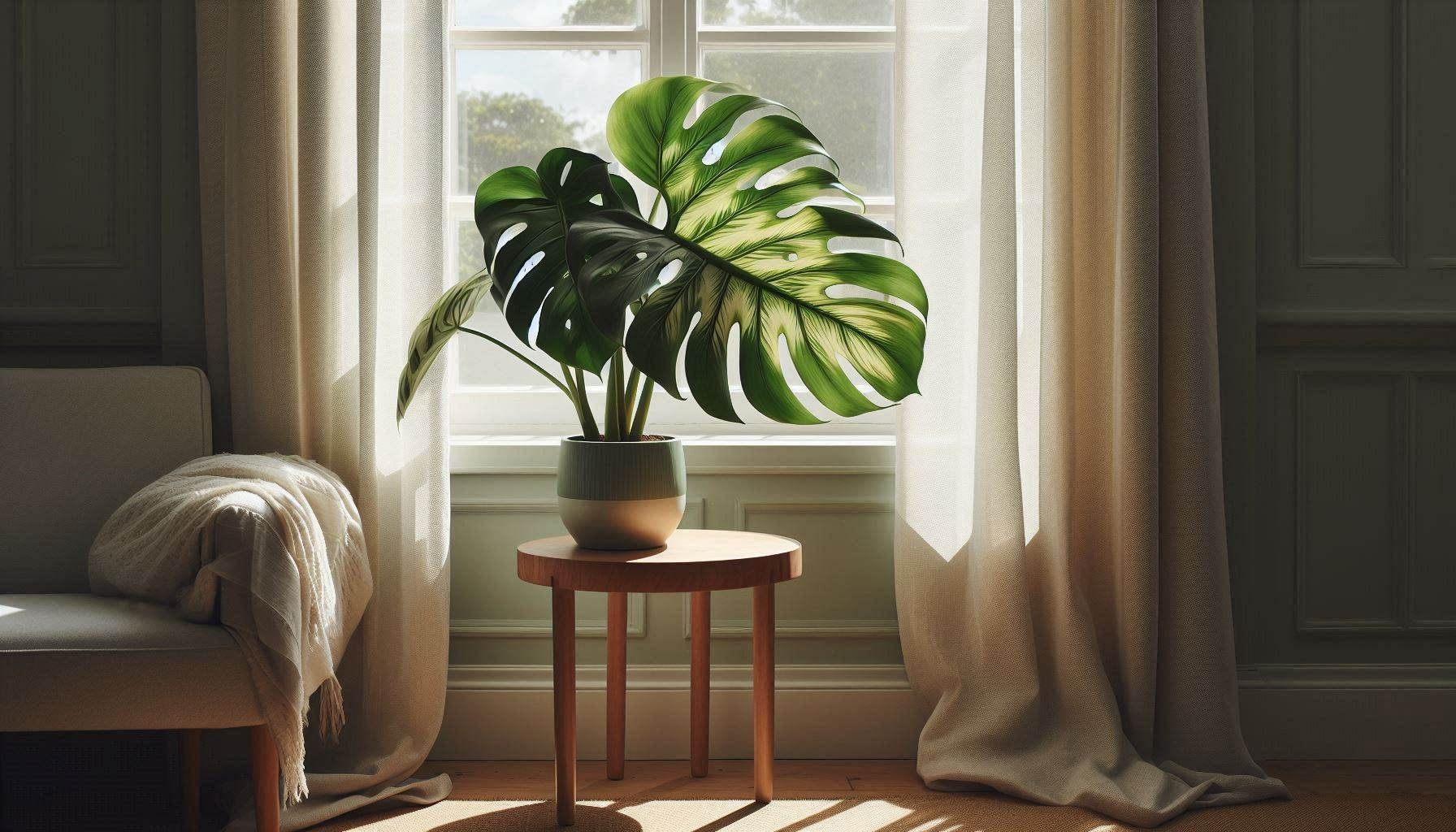
Monstera is a natural choice if you want a bold focal point. Its large leaves can soften hard architectural lines and create a strong connection with nature.
Jade plant is traditionally associated with prosperity and abundance. Its rounded, succulent leaves are often interpreted as symbols of wealth.
Peace lily can work well where you want a softer, more elegant plant. Just remember that it is not pet-safe.
Place larger plants where they do not block doors, walkways, or natural light. A plant should make the room feel more comfortable, not create an obstacle.
Bedroom
Bedrooms generally benefit from a calmer, less crowded plant arrangement.
Parlor palm and areca palm can add a soft, tropical look without dominating the room. A spider plant is another practical choice for a lighter, relaxed appearance.
Avoid turning the bedroom into a dense indoor jungle simply because more plants look attractive. A few healthy plants can have more visual impact than a crowded collection.
For pet owners, always check the species before bringing a plant into a bedroom shared with cats or dogs.
Home office
A home office is a natural place for plants associated with growth and prosperity.
Jade plant is one of the classic choices. Money tree (Pachira aquatica) is also widely associated with prosperity and good fortune in popular feng shui practice.
A small plant on a desk can introduce greenery without taking away useful workspace. Larger plants can work beside a desk or in an empty corner.
The most important practical consideration is light. A plant placed in a “wealth” or “career” area still needs enough light to grow well.
Entryway
The entryway is the transition between the outside world and the home. Plants here can make the entrance feel more welcoming while adding structure to an otherwise empty space.
A snake plant can work particularly well because its upright form fits narrow spaces and it tolerates a range of indoor conditions.
A healthy ZZ plant is another low-maintenance option for a bright or moderately lit entrance.
Keep the doorway and main path clear. In practical terms, good feng shui and good interior design agree on this point: entrances work better when they are open, uncluttered, and easy to move through.
Kitchen and dining area
Small herbs and compact plants can bring a fresh, living quality to kitchens and dining spaces.
Basil, mint, rosemary, and other culinary herbs are especially practical because they combine greenery with a useful purpose.
A jade plant or money tree can also work in a dining area when there is enough light and sufficient space around the plant.
Avoid placing plants directly beside hot cooking surfaces, ovens, or areas where they will be exposed to grease and sudden temperature changes.
Where to place plants using the Bagua
The Bagua is one of the best-known feng shui tools for thinking about how different areas of a home relate to different aspects of life.
Feng shui schools use different ways to locate the wealth area. In the front-door-aligned bagua method, it is commonly associated with the far-left area as you stand at the entrance looking in. In compass-based feng shui, the wealth sector is traditionally associated with the southeast.
That difference matters because there is not one universally accepted way to map every home.
If you use the front-door-aligned method, you can place a healthy, thriving plant in the corresponding area as a traditional symbol of growth and abundance. If you use a compass-based approach, use the directions appropriate to that method.
Whichever method you choose, the plant still needs light.
Feng shui plants for wealth and prosperity
Several houseplants are repeatedly associated with prosperity in popular feng shui practice.
Jade plant
Jade plants are often linked with wealth because their rounded, succulent leaves resemble traditional associations with coins or abundance.
They also make practical houseplants when given bright light and careful watering.
Money tree
Money tree, or Pachira aquatica, is strongly associated with prosperity in popular feng shui culture. Its braided trunks are particularly recognizable in homes and offices.
Give it bright, indirect light and allow the potting mix to dry somewhat between waterings.
Lucky bamboo
Lucky bamboo (Dracaena sanderiana) is commonly associated with luck, prosperity, and positive energy. The number of stalks is also given symbolic meanings in different traditions.
Despite its name, it is not actually bamboo. It is a Dracaena and should be treated accordingly when considering pet safety.
Monstera
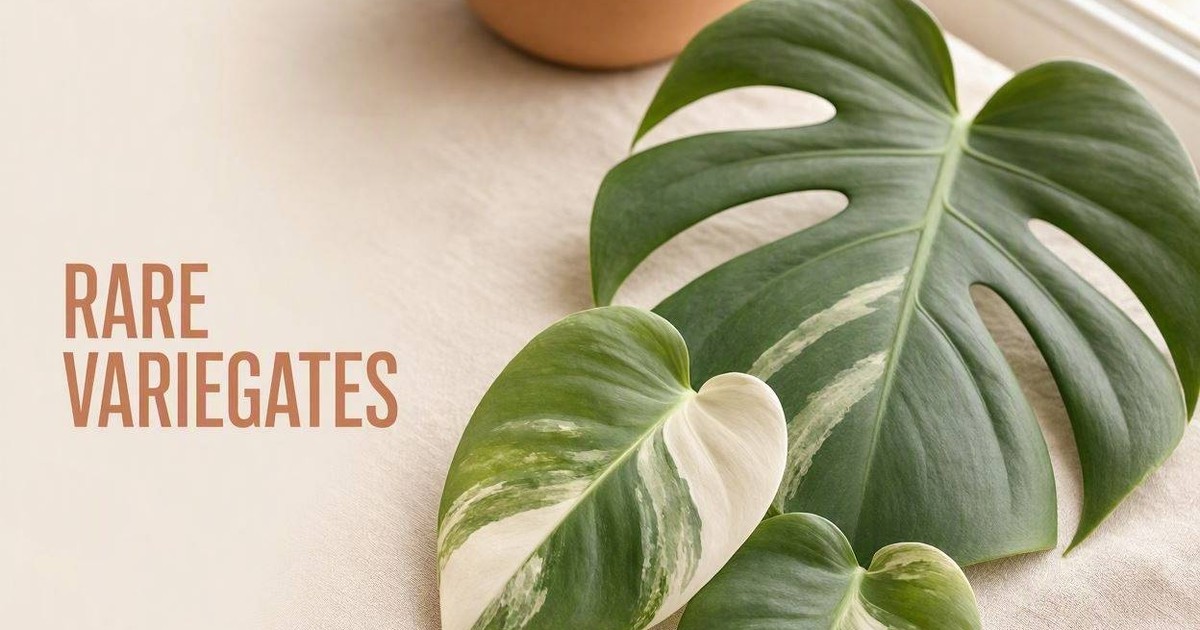
Monstera is not traditionally a “wealth plant” in the same specific way as jade or money tree, but its vigorous growth and large leaves make it a popular modern choice for feng shui-inspired interiors.
For a rare-plant collection, this can be a particularly useful bridge between traditional symbolism and contemporary plant design.
Plant shape and the five elements
Feng shui uses five elements: Wood, Fire, Earth, Metal, and Water.
Plants are most directly associated with Wood, but their form, color, container, and surrounding decor can introduce other visual qualities.
- Wood: green plants, vertical growth, natural wood.
- Fire: red or pointed accents, warm lighting.
- Earth: terracotta, ceramics, square forms, earthy colors.
- Metal: white or metallic containers and rounded shapes.
- Water: dark colors, reflective surfaces, and flowing forms.
You do not need to force all five elements into every room. The goal is a balanced space rather than a checklist.
Pet-safe feng shui plants
Feng shui does not override plant toxicity. If cats or dogs live in your home, verify every species before bringing it indoors.
| Plant | Common feng shui association | Pet safety |
|---|---|---|
| Spider plant | Growth and vitality | Generally considered non-toxic |
| Areca palm | Calm, natural energy | Generally considered non-toxic |
| Parlor palm | Softness and balance | Generally considered non-toxic |
| Money tree (Pachira aquatica) | Prosperity and abundance | Generally considered non-toxic |
| Jade plant (Crassula ovata) | Wealth and prosperity | Toxic to pets |
| Peace lily (Spathiphyllum) | Purity and harmony | Toxic to pets |
| Lucky bamboo (Dracaena sanderiana) | Luck and prosperity | Toxic to pets |
| Monstera | Growth and vitality | Toxic to pets |
| Snake plant (Dracaena trifasciata) | Protection and strength | Toxic to pets |
| Rubber plant (Ficus elastica) | Growth and stability | Check species |
The ASPCA is a useful starting point for checking whether a particular plant is toxic to cats and dogs. Always identify the exact botanical species when possible, especially when a common name can refer to more than one plant.
How to keep feng shui plants healthy
The symbolism of a plant does not matter much if the plant is struggling.
Match the plant to the light
Before choosing a location, check how much natural light reaches it during the day. Bright-light plants should not be placed in dark corners simply because the corner is considered important in a feng shui layout.
If natural light is insufficient, a grow light can be a practical solution.
Avoid overwatering
Many indoor plants are damaged more often by excessive watering than by occasional dryness. Check the potting mix and the plant’s needs rather than watering automatically on a fixed schedule.
Keep leaves clean
Dusty leaves can make a plant look tired and can reduce the amount of light reaching the leaf surface. Gently cleaning large leaves can also make a major visual difference in a feng shui-inspired room.
Remove damaged growth
Remove dead or severely damaged leaves when appropriate. This keeps the plant looking healthier and prevents a decorative display from becoming cluttered.
Do not overcrowd the room
Feng shui is not about filling every available corner with plants. Leave enough open space for movement and allow each plant to have a clear visual role.
Common feng shui plant placement mistakes
Choosing a plant only for its symbolism
A “wealth plant” that cannot survive in your room is not a good choice. Start with light, temperature, humidity, and space, then consider symbolism.
Blocking entrances
Large plants can quickly turn a welcoming entrance into an obstacle. Keep paths and doors clear.
Putting plants in unsuitable bedrooms
Some plants need more light or humidity than a bedroom can provide. Choose species that fit the actual conditions.
Ignoring pet safety
A plant that looks perfect in a feng shui arrangement can still be unsafe for animals. Check the botanical identity before buying or moving it indoors.
Treating feng shui as a guarantee
Feng shui plant associations are traditional and cultural ideas. They should not be presented as guarantees of wealth, health, or other outcomes.
Frequently asked questions
What is the best feng shui plant for a home?
There is no single best plant for every home. Jade plant, money tree, lucky bamboo, Monstera, palms, and other houseplants are commonly used in feng shui-inspired spaces. The best choice is one that fits the room and can stay healthy there.
Which plant is best for wealth in feng shui?
Jade plant and money tree are two of the most commonly associated with prosperity. Lucky bamboo is also traditionally associated with luck and positive energy.
Where should I put a money tree?
A money tree can be placed in a home office, living room, or another bright area where it has enough space to grow. If you are using a Bagua method, you can also consider the wealth area used by your chosen school.
Can I put a Monstera in the bedroom?
Yes, provided the room has suitable light and the plant can remain healthy. If you have pets that can access the plant, remember that Monstera is toxic to cats and dogs.
Are feng shui plants safe for pets?
Some are and some are not. Spider plants and many palms are commonly considered safer choices, while jade, Monstera, peace lily, snake plant, and lucky bamboo can pose risks. Check the exact species with a reliable veterinary or plant-safety source.
Does the direction of the plant matter?
It depends on the feng shui school you follow. Different schools use different systems for mapping areas of a home. The practical requirements of the plant—especially light—still come first.
Final thoughts
Feng shui plants can be a useful way to combine traditional symbolism with thoughtful interior plant care.
Start with a healthy plant, the right light, and enough space for it to grow. Then use the symbolism of plants such as jade, money tree, lucky bamboo, palms, and Monstera to create a room that feels intentional and connected to nature.
The best feng shui arrangement is not necessarily the one with the most plants. It is the one where the plants are healthy, the room remains comfortable to use, and the overall space feels balanced.
Sources
- ASPCA — Toxic and Non-Toxic Plants database.
- Anjie Cho — BTB Bagua and feng shui guidance.
- Homes & Gardens — editorial coverage of feng shui plants and houseplant placement.