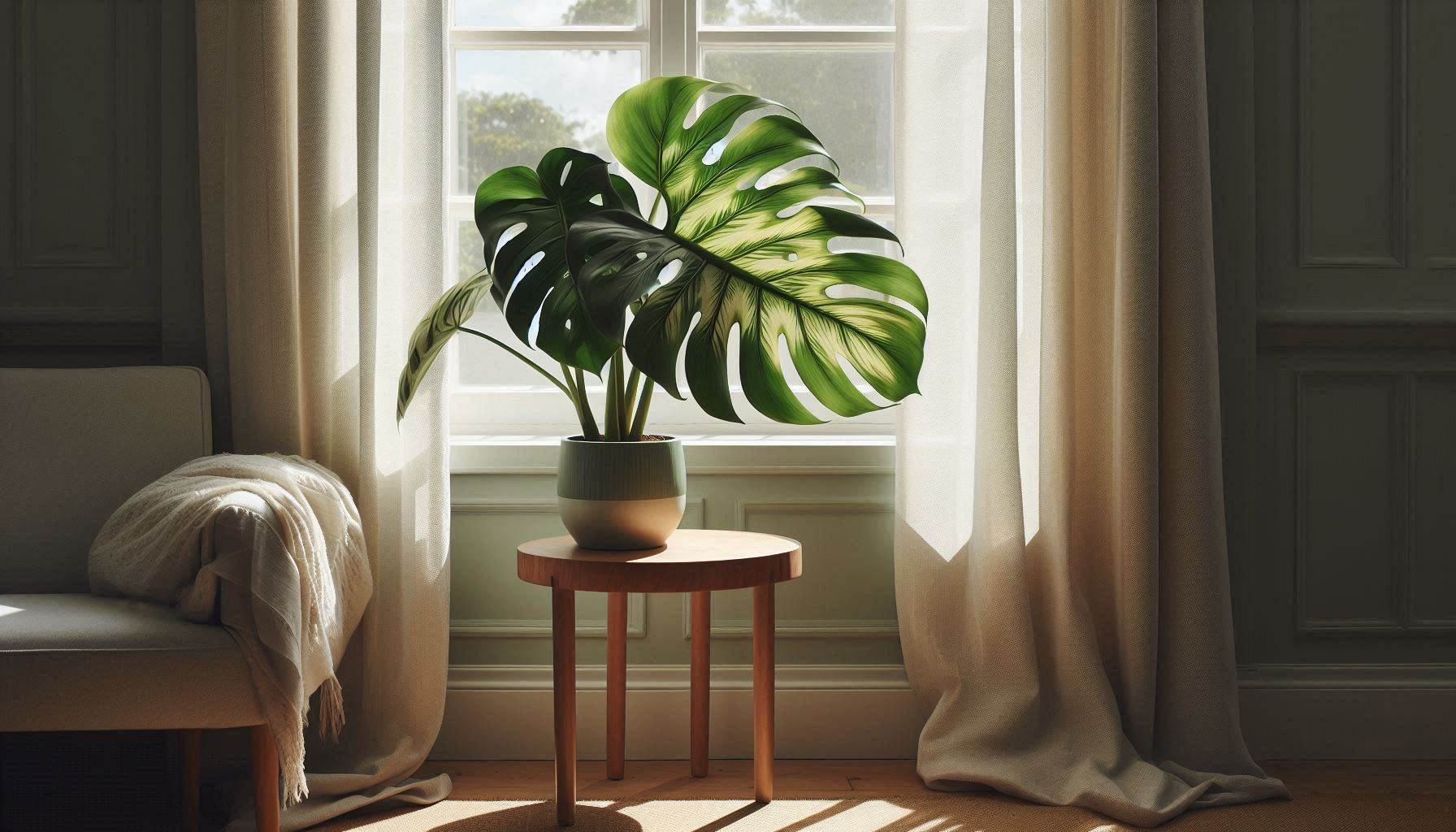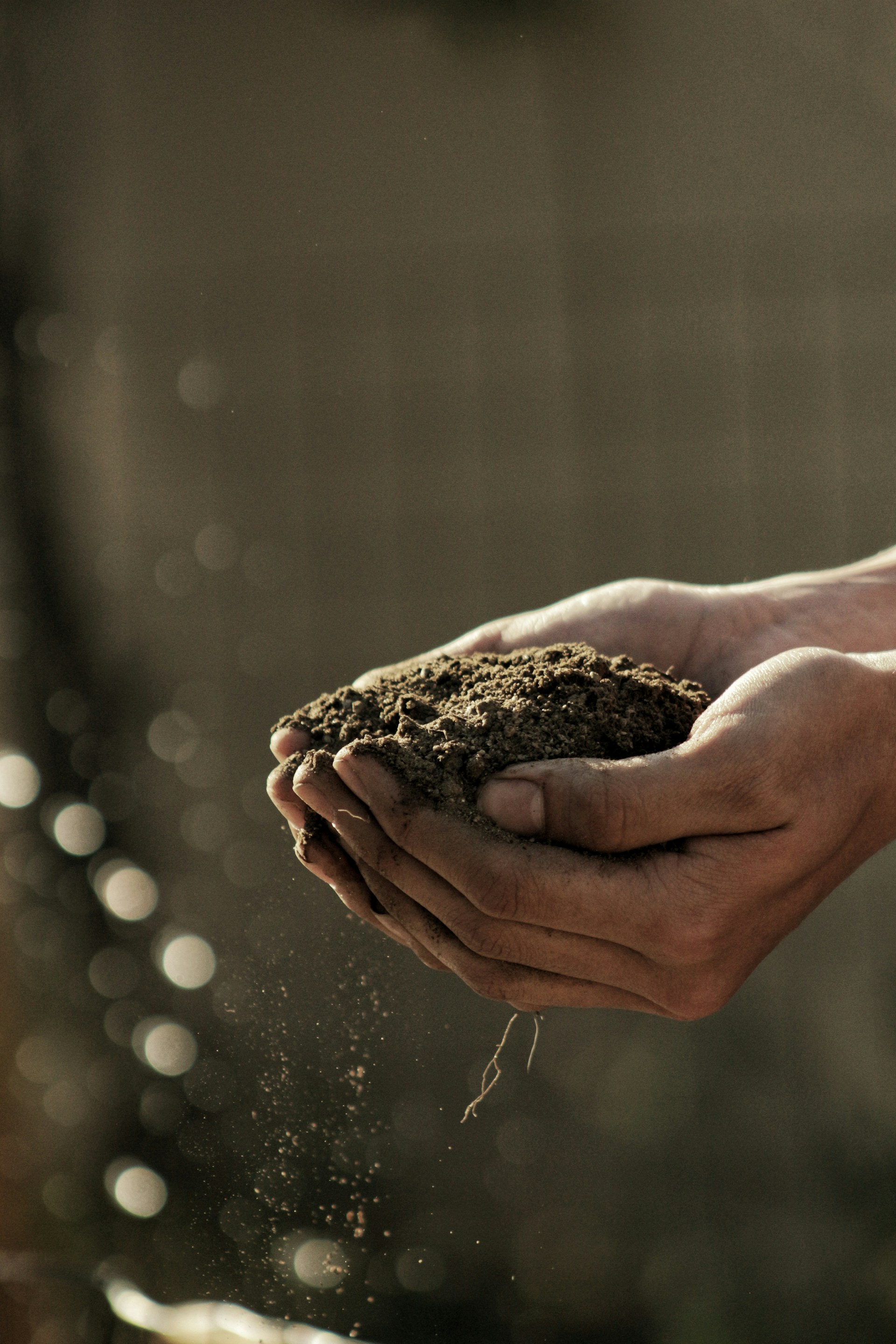
If you are searching for the best soil mix for a variegated Monstera, the goal is not a special branded soil. The goal is a mix that gives thick Monstera roots both air and moisture without staying waterlogged.
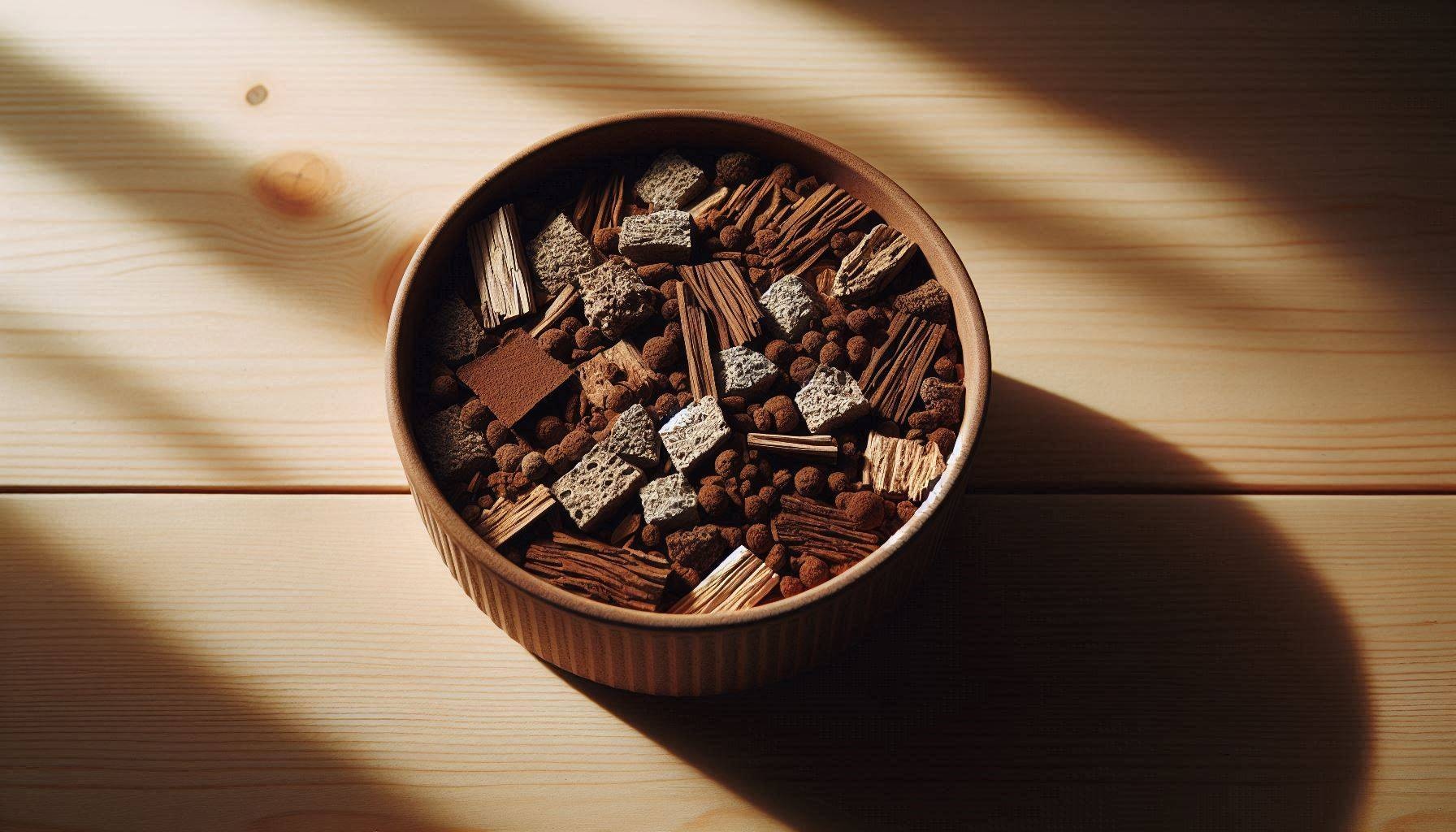
Quick answer: start with roughly 40% orchid bark, 30% perlite or pumice, 20% sphagnum moss or coco coir, and 10% potting mix or worm castings. Treat those percentages as a starting point and adjust for your pot, humidity, light and watering habits.
Once the mix is right, watering frequency should follow the root zone rather than a calendar. Use How Often to Water Variegated Monstera to match watering to this substrate.
Best Soil Mix Recipe for Variegated Monstera
| Ingredient | Starting ratio | Purpose |
|---|---|---|
| Orchid bark | 40% | Creates structure and large air pockets |
| Perlite or pumice | 30% | Improves drainage and reduces compaction |
| Sphagnum moss or coco coir | 20% | Holds some moisture between waterings |
| Potting mix or worm castings | 10% | Adds a small nutrient- and moisture-holding base |
The finished mix should feel loose and chunky rather than dense. Water should move through the pot freely instead of sitting on the surface for a long time.
For a broader comparison of substrates across Monstera, Philodendron, Anthurium and Alocasia, use the general aroid soil mix recipes guide. This page stays focused specifically on variegated Monstera.
Why Regular Potting Soil Can Cause Problems
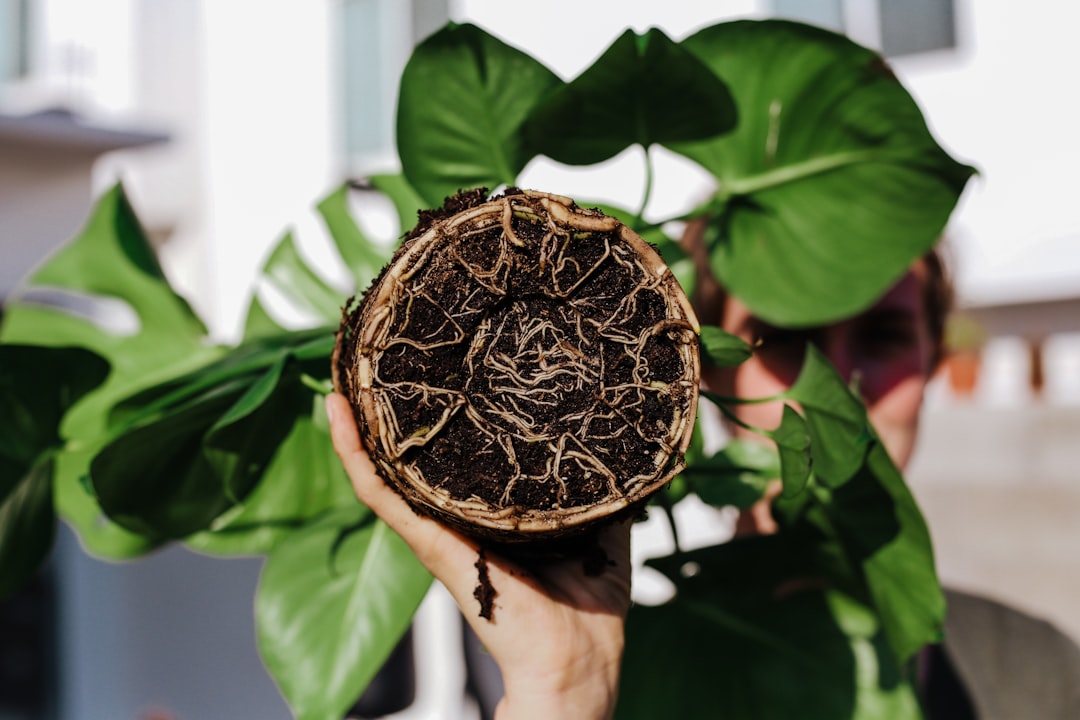
Monstera roots perform poorly when the root zone remains saturated and low in oxygen. Dense mixes can compact as they age, especially in oversized pots or lower-light conditions where the plant uses water slowly.
That does not mean every bagged potting mix is automatically harmful. The important question is how long the root zone stays wet. If your mix remains soggy for many days, adding more bark and mineral aeration can help.
If you are already seeing yellow leaves, wilting in wet soil or soft roots, use the root rot troubleshooting guide as a reference; the same root-zone warning signs are useful for many aroids.
Monstera Albo vs Thai Constellation: Do They Need Different Soil?
For potting purposes, Monstera Albo and Thai Constellation can both start with the same chunky, well-aerated aroid mix. There is usually no need to invent a completely different recipe for each cultivar.
Instead, adjust the mix according to the environment:
- a plant in stronger light usually uses water faster;
- a plant in a cool, humid room may need a chunkier, faster-drying mix;
- a small root system in a large pot is more vulnerable to prolonged wetness;
- terracotta usually dries faster than plastic.
The cultivar name matters less here than the actual relationship between root mass, pot size, light and drying speed.
Adjust the Mix for Your Growing Conditions
A fixed recipe cannot account for every home. Use the base mix, then adjust one variable at a time.
- Dry, warm rooms: slightly more coco coir or sphagnum can slow drying.
- Cool or humid rooms: increase bark, perlite or pumice so the mix dries faster.
- Terracotta pots: they usually dry faster than plastic, so a little more moisture retention may help.
- Large plastic pots: use a chunkier mix and avoid oversizing the container.
- Lower light: the plant uses water more slowly, so drainage and airflow become even more important.
For the light side of the equation, see How Much Light Do Rare Aroids Need?.
How to Tell if the Soil Mix Drains Fast Enough
You do not need laboratory equipment to spot an obviously poor mix. After watering thoroughly:
- water should begin leaving the drainage holes without sitting on the soil surface for a long time;
- the pot should become progressively lighter as the root zone dries;
- the mix should remain visibly open and chunky instead of collapsing into a dense block;
- the plant should not remain in a heavy, saturated pot for an unusually long period relative to its light and temperature.
Drying speed is not a fixed number of days. A bright, warm setup and a cool, dim room can produce very different results with the same recipe.
Can You Use Cactus or Succulent Soil?
Cactus or succulent soil can be useful as part of the mix, but the label alone does not guarantee enough airflow for a Monstera. Some commercial cactus mixes are still fairly fine and peat-heavy.
If the bagged mix compresses easily or looks mostly like fine soil, combine it with coarse orchid bark and perlite or pumice. The goal is to create larger air spaces around the roots, not simply to use a product marketed as fast-draining.
Common Soil-Mix Mistakes
- Using dense potting soil as the entire mix. It can compact and stay wet too long.
- Packing sphagnum tightly. Moss can hold a great deal of water when compressed.
- Using an oversized pot. A large volume of wet substrate dries more slowly than a pot matched to the root system.
- Copying a recipe without adjusting it. A mix that works in a hot, dry apartment may stay wet for too long in a cool, humid room.
- Repotting too frequently. Disturbing healthy roots without a reason can set the plant back.
Signs the Mix Is Staying Too Wet
Check the root zone if several of these occur together:
- the pot remains heavy and wet much longer than expected;
- lower leaves yellow while the substrate is still damp;
- the stem becomes unstable in the pot;
- the mix develops a sour or stagnant smell;
- roots are soft, dark or easily stripped when inspected.
Yellow leaves by themselves do not prove root rot. Root inspection gives much stronger evidence.
When to Repot a Variegated Monstera
Repot when roots have clearly filled the container, drainage has slowed, the substrate has broken down, or you need to remove damaged roots. Choose a pot only modestly larger than the existing root mass and keep the stem at roughly the same depth.
For the full decision process, pot sizing and aftercare, use When to Repot Variegated Monstera: Signs, Pot Size & Aftercare.
After repotting, keep the plant in stable bright, indirect light and avoid making several major care changes at once. If the plant is also producing greener leaves, read Variegated Monstera Turning Green? How to Stop Reversion.
Frequently Asked Questions
What is the best soil mix for a variegated Monstera?
A chunky, fast-draining aroid mix is a practical starting point. Bark provides structure, perlite or pumice adds aeration, and a smaller moisture-retentive component such as sphagnum or coco coir prevents the mix from drying instantly.
Can I use regular potting soil?
Yes, but it is usually better as a small component rather than the whole substrate. Mix it with coarse bark and perlite or pumice so the root zone retains air after watering.
Is the same mix good for Monstera Albo and Thai Constellation?
Yes as a starting point. Both can grow well in airy aroid mixes, and the ideal ratio usually depends more on your environment, pot and watering habits than on the cultivar name alone.
Can I use cactus or succulent soil?
Yes, but inspect the texture. If it is still fine and compact, use it as a base and add coarse bark plus perlite or pumice rather than using it alone.
Continue the Variegated Monstera Care Series
- How Often to Water Variegated Monstera — decide when this mix actually needs water.
- When to Repot Variegated Monstera — choose pot size and reduce transplant stress.
- Variegated Monstera Turning Green? How to Stop Reversion — diagnose reversion from the stem and growth point.
- How to Propagate Variegated Monstera — choose a viable node and root the cutting.
- Monstera Node vs Axillary Bud — inspect a cutting or lower growth point before pruning.
- How Much Light Do Rare Aroids Need? — adjust light without guessing.
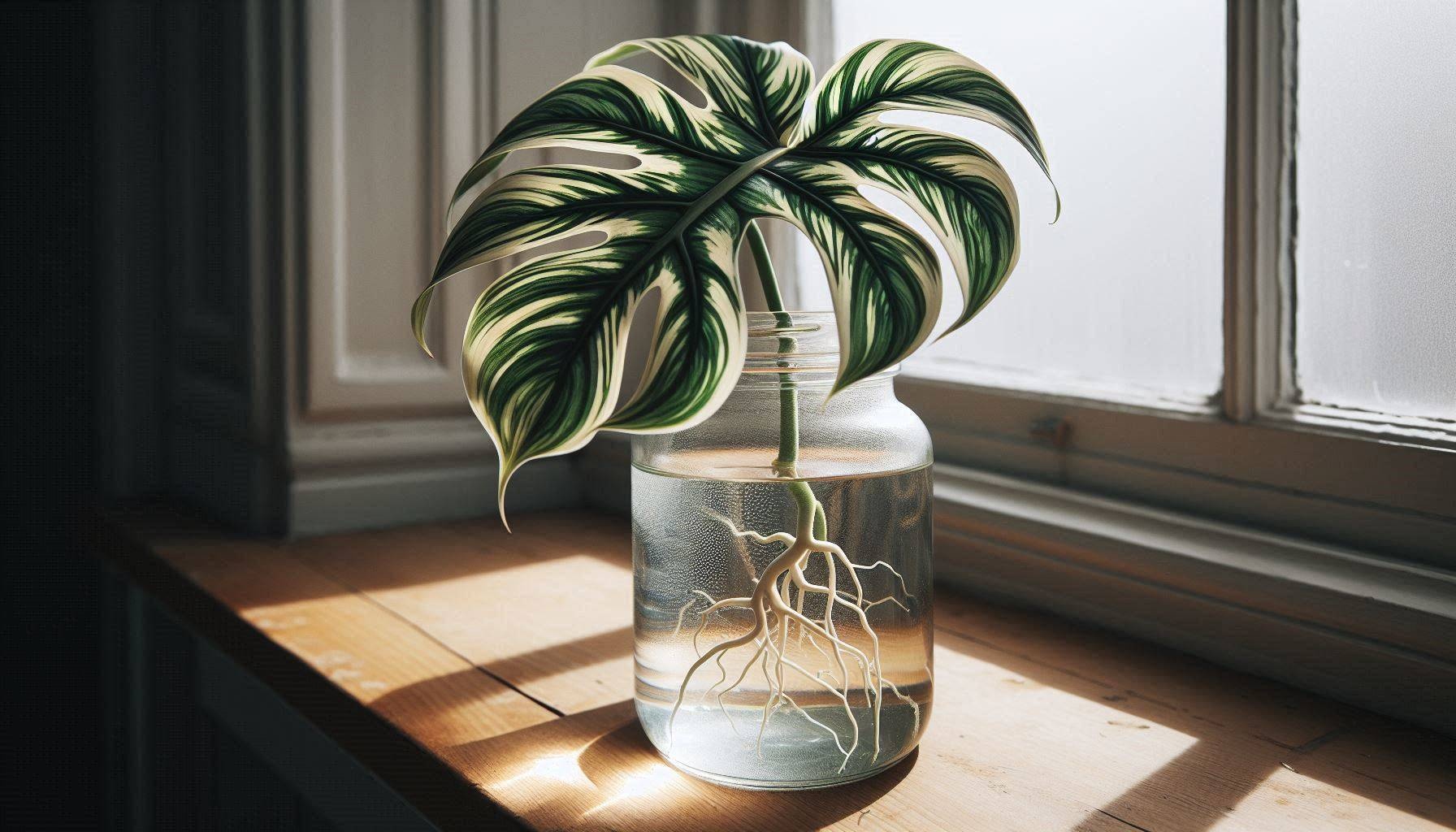
Once the roots are healthy, you will also have stronger material for propagation. See How to Propagate a Variegated Monstera for the next step.