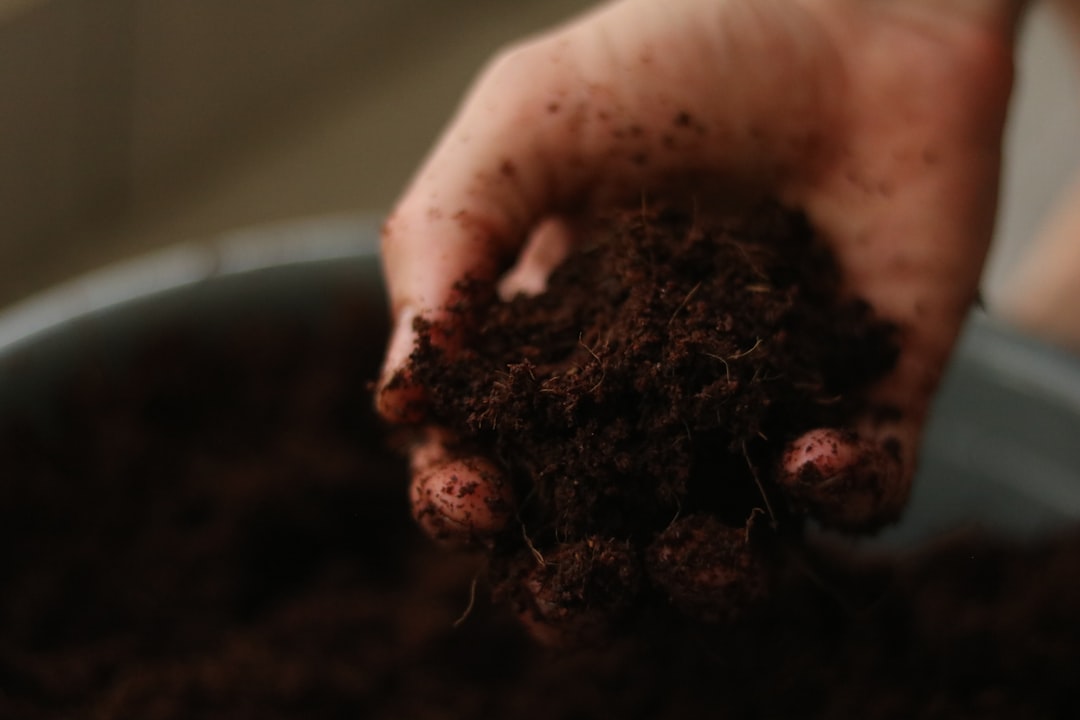
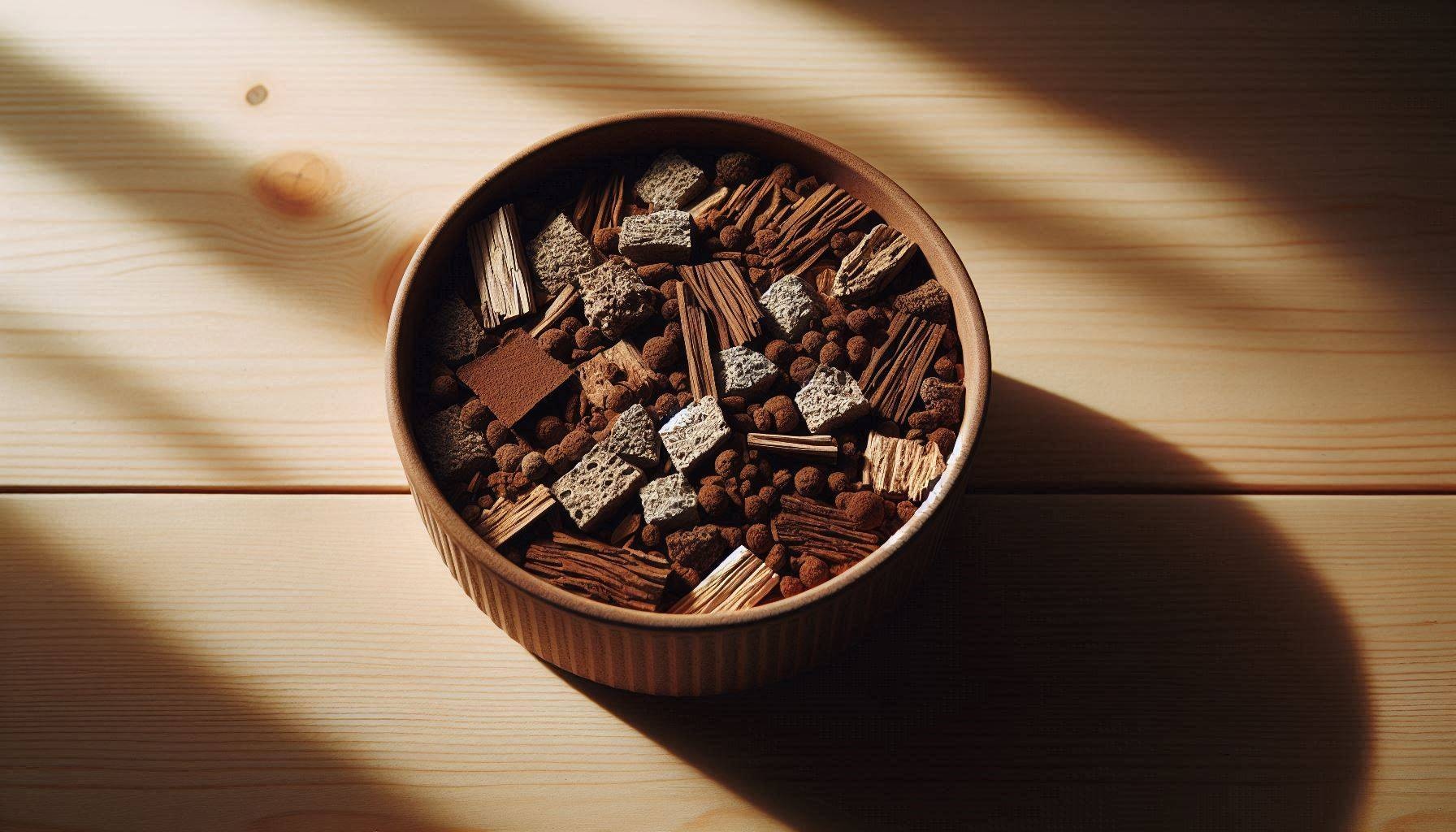
A good aroid soil mix should hold enough moisture for the roots to use while still draining freely and leaving plenty of air spaces. For many Monsteras and Philodendrons, a practical starting recipe is 3 parts orchid bark, 2 parts coco coir or peat moss, 2 parts perlite or pumice, 1 part horticultural charcoal, and 1 part worm castings.
Different aroids need different moisture levels, so this guide compares a general chunky mix with a more moisture-retentive Anthurium and Alocasia blend. If your search is specifically for a variegated Monstera, use the dedicated guide to the best soil for variegated Monstera instead.
Understanding the Anatomy of a Great Aroid Soil Mix
In their native tropical environments, many popular aroids climb trees as epiphytes or hemi-epiphytes, growing among bark, moss, roots, and decaying organic material rather than in a dense indoor potting mix. Their thick roots benefit from a substrate with structure and air spaces.
An effective domestic aroid soil mix should resist compaction over time and allow water to drain freely after watering. When a mix remains saturated for too long, oxygen around the roots drops and root problems become more likely. A balanced mix should therefore hold some moisture while still leaving open spaces between particles.
Essential Ingredients for Rare Plant Potting
Creating a successful substrate is easier when each ingredient has a clear job. By combining materials with different particle sizes and water-retention properties, the mix can be adjusted to the plant and the room where it grows.
- Orchid Bark: Medium-to-large bark chunks provide structure and create large air spaces throughout the pot.
- Perlite or Pumice: These lightweight mineral components improve drainage and help prevent the mix from collapsing into a dense mass. Pumice is heavier and tends to stay distributed through the pot.
- Coco Coir or Peat Moss: These finer organic components retain moisture between waterings. Use them more sparingly in cool, humid, or low-light conditions.
- Horticultural Charcoal: Charcoal adds coarse structure and can help keep the mix open.
- Worm Castings: A small amount adds organic matter and nutrients without turning the entire substrate into a dense soil.
The proportions matter more than simply having every ingredient. A chunky mix should visibly contain large particles and should not compress into a solid block when squeezed.
Chunky Mix for Monstera and Philodendron
For many Monsteras and climbing Philodendrons, start with this volumetric recipe:
- 3 parts orchid bark (medium grade)
- 2 parts coco coir or peat moss
- 2 parts perlite or pumice
- 1 part horticultural charcoal
- 1 part worm castings
This is a starting point, not a rigid formula. If the pot stays wet for many days, increase bark or pumice and reduce the finer moisture-retentive component. If the plant dries extremely quickly in bright, warm conditions, add a little more coir or another moisture-retentive ingredient.
After mixing, water should move through the pot easily rather than pooling on the surface. If a plant remains wilted while the substrate is still wet, inspect the root system rather than adding more water. The guide How to Spot and Treat Philodendron Root Rot Before It’s Too Late explains the signs that make root damage more likely.
High-Moisture Anthurium and Alocasia Blend
Some Anthuriums and Alocasias prefer more consistent moisture around the roots than many climbing Monsteras and Philodendrons, while still needing good airflow. For those plants, a slightly more moisture-retentive version can work better:
- 2 parts orchid bark (small-to-medium grade)
- 2 parts sphagnum moss (loosely chopped)
- 2 parts perlite or pumice
- 1 part coco coir
- 1 part horticultural charcoal
- 1 part worm castings
Sphagnum moss can distribute moisture through the root zone, but it should not be packed tightly. Compressed, constantly saturated moss reduces air spaces. For propagation and young-root transitions, see Is Sphagnum Moss Actually the Holy Grail for Rare Plant Propagation?.
Adjust the Mix to Light, Humidity and Pot Size
No single soil recipe fits every growing space. The same mixture can dry in two days beside a bright warm window and stay wet for a week in a cooler, dimmer room.
In bright, warm spaces with lower humidity, plants often use water faster. A little more coco coir or sphagnum can help extend moisture retention. In cooler, more humid rooms or lower light, increasing bark and pumice can shorten the time the root zone stays saturated.
Light is especially important because it affects growth and water use. If the pot consistently stays wet longer than expected, compare the growing position with How Much Light Do Your Rare Aroids Actually Need?.
Pot size matters too. A very large pot around a relatively small root system contains more wet substrate than the plant can use quickly. Moving only one pot size up is generally easier to manage than placing a modest root ball into a much larger container.
Step-by-Step Guide to Mixing and Potting
- Prepare the workstation. Clean the mixing container and tools so old soil and debris are not carried into the new substrate.
- Measure the ingredients. Use the same scoop for each “part” so the ratios stay consistent.
- Combine thoroughly. Mix the coarse and fine ingredients until bark, perlite, and moisture-retentive material are evenly distributed.
- Lightly pre-moisten if needed. Dampening dusty ingredients can make the mix easier to handle, but do not turn it into a saturated mass.
- Inspect the roots. Remove obviously rotten or dead material and avoid unnecessary damage to healthy roots.
- Choose an appropriate pot. Use a container with drainage holes and avoid dramatically oversizing it.
- Fill without compacting. Tap the sides of the pot to settle the substrate instead of pressing it down firmly.
- Water thoroughly. Allow excess water to drain freely and then judge future watering by the plant, pot weight, and moisture deeper in the mix.
If the plant has just arrived after shipping or import, avoid combining repotting with several other abrupt changes unless the existing substrate or roots present a clear problem. The 7-day imported plant acclimation guide explains when immediate intervention makes sense and when stability is the safer priority.
Troubleshooting Soil Moisture and Airflow Issues
Different problems can produce similar leaf symptoms, so diagnose the root zone before changing the mix again.
- Yellowing lower leaves: This can occur with prolonged wetness, but it can also result from natural leaf aging, environmental stress, or other causes. Check the roots and moisture pattern before assuming overwatering.
- Wilting while the substrate is wet: This can indicate impaired root function, but the symptom alone is not a diagnosis. Inspect for soft, dark, hollow, or foul-smelling roots.
- Surface mold or fungal growth: This often appears when organic material stays damp for long periods. Improve airflow and reassess how long the surface remains wet before treating the plant itself as diseased.
- Mix dries in one day: Increase the moisture-retentive fraction slightly, check whether the pot is rootbound, and make sure intense light or heat is not driving unusually fast water loss.
- Mix stays wet for a week or more: Increase coarse ingredients, review pot size, and check whether the plant is receiving enough light to support active water use.
Frequently Asked Questions
What is a good general aroid soil mix?
A practical starting recipe is 3 parts orchid bark, 2 parts coco coir or peat moss, 2 parts perlite or pumice, 1 part horticultural charcoal, and 1 part worm castings. Adjust it according to the plant, pot, humidity, light, and watering routine.
Should Anthurium use the same mix as Monstera?
They can share the same basic chunky structure, but many Anthuriums benefit from somewhat more consistent moisture. Adding loose sphagnum or another moisture-retentive component can help, provided the mix still has good airflow.
How often should a chunky aroid soil mix be replaced?
Organic components such as bark and sphagnum gradually break down and become finer. Reassess the substrate during repotting and replace it when it has noticeably lost its coarse structure or drainage has slowed.
Can regular potting soil be used if mixed with perlite?
Adding perlite can improve a standard potting mix, but a fine, peat-heavy soil may still stay dense around aroid roots. If the mixture remains compact or drains slowly, add larger structural components such as orchid bark or pumice rather than relying on perlite alone.
The best aroid mix is ultimately the one that matches the plant’s root system and your growing conditions. Start with one of the recipes above, then adjust based on how quickly the pot dries and how the roots look over time.
Related Guides
- Best Soil for Variegated Monstera: Chunky Aroid Mix
- How to Spot and Treat Philodendron Root Rot Before It’s Too Late
- How Much Light Do Your Rare Aroids Actually Need?
- How to Acclimate Imported Rare Plants After Shipping
Cover photo by Alicia Christin Gerald on Unsplash.