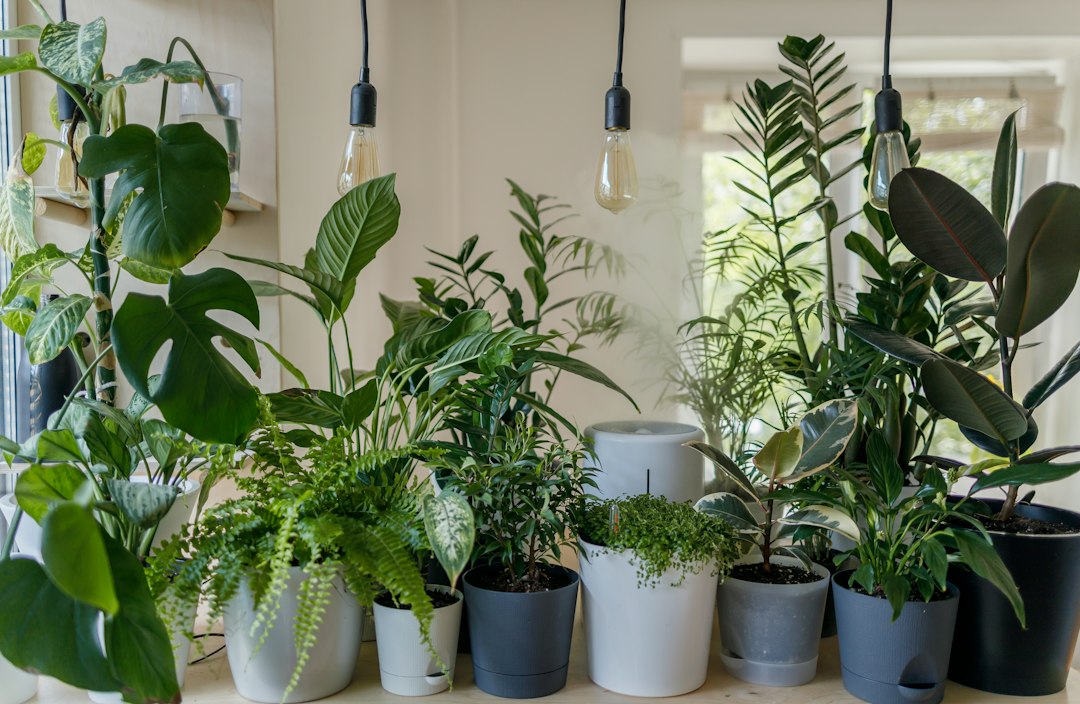
Transitioning from standard houseplants to uncommon botanical species offers an engaging step forward without needing to turn a home into a sealed glass greenhouse. The ideal beginner rare plants provide a rewarding step up in aesthetic complexity while retaining forgiving growth habits. Rather than demanding ultra-high humidity or surgical precision, these cultivars adapt well to normal ambient household conditions while teaching essential skills like managing leaf variegation, supporting climbing vines, and balancing root hydration.
Stepping into rare plant care requires choosing species that clearly signal their care needs before health declines irreversibly. Selecting sturdy plants allows room for minor routine adjustments without risking immediate plant loss.
Defining the Sweet Spot Between Common and Finicky Species
Not all uncommon plants require specialized cabinets or specialized equipment. The safest entry point into rare flora involves selecting plants that share structural traits with resilient tropical species but feature distinct evolutionary traits, such as distinct petiole structures, velvet leaf textures, or striking chimera patterns.
A suitable intermediate plant exhibits specific characteristics:
- High tolerance for ambient indoor humidity ranges between 40 percent and 60 percent.
- Strong, thick root systems capable of recovering from occasional light drying or brief overwatering.
- Clear structural signals when thirsty, such as subtle leaf curling or slight loss of turgor pressure.
- Reliable growth habits that respond predictably to standard indoor environmental adjustments.
Avoiding species known for rapid leaf dropping or delicate root structures ensures that initial care routine adjustments remain educational rather than frustrating.
Prime Easy Rare Aroids for Expanding Skill Sets
The aroid family contains some of the most dynamic foliage in the plant kingdom. Selecting robust yet distinct easy rare aroids provides practical experience with climbing poles, root aerating soils, and high-contrast leaf markings.
Syngonium podophyllum ‘Albo-Variegatum’
This climbing vine displays bold white patches against dark green leaves. Unlike fragile white-variegated plants, this cultivar features sturdy stem tissue and propagates readily in moist substrates. It grows quickly under average home conditions, giving prompt feedback on lighting and nutrient choices.
Philodendron squamiferum
Recognizable by its distinct red petioles covered in fuzzy, hair-like bristles, Philodendron squamiferum adds dramatic texture to a space. It tolerates standard home humidity levels better than soft velvet-leaf Philodendrons and exhibits steady growth when given a sturdy vertical support to climb.
Monstera adansonii ‘Albo-Variegatum’
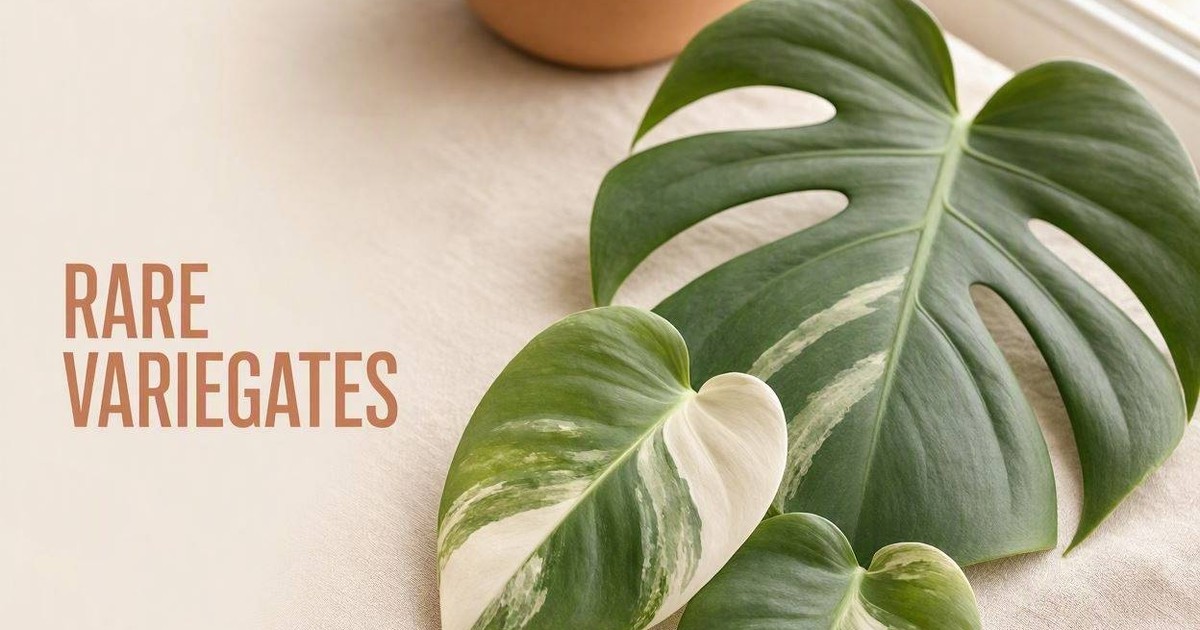
Offering the classic fenestrated leaf shape of the Swiss cheese plant paired with vivid white marbling, this variety introduces caregivers to managing unstable color patterns. It thrives in well-draining potting mixtures and grows noticeably faster than larger variegated species.
Anthurium clarinervium
For growers eager to care for velvet-leaf Anthuriums, Anthurium clarinervium serves as a durable entry point. Its dark, heart-shaped leaves feature thick, cardboard-like veins. Because its roots are thicker than those of soft-leaved species, it tolerates brief soil drying far better than delicate rainforest Anthuriums.
Balancing Light and Variegation without Triggering Stress
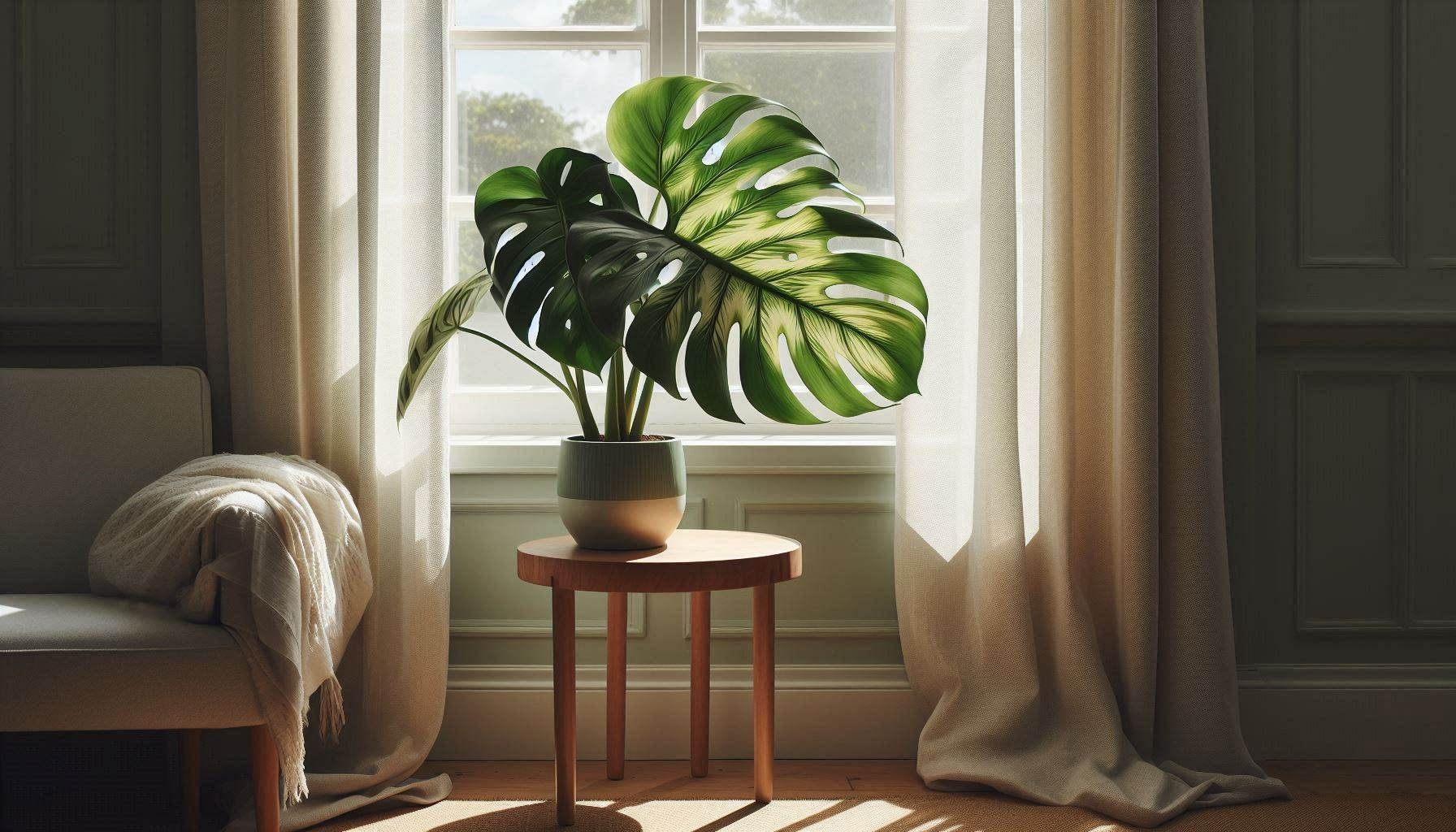
Variegated plants lack chlorophyll in white or yellow leaf areas, meaning those sections cannot perform photosynthesis. To support healthy growth, these foliage patterns require bright, indirect light. Placing a plant too close to an unshaded window risks scorching white tissue, while placing it in low light can reduce color intensity or encourage stems to stretch out.
Positioning plants within three to five feet of an unobstructed east- or south-facing window generally provides optimal illumination. When natural light is limited, grow lights offer balanced illumination without generating excessive radiant heat.
Monitoring leaf patterns helps prevent physical degradation. If a plant begins producing solid green foliage due to inadequate lighting, understanding The Heartbreak of Reversion: Why Your Variegated Monstera is Turning Green (and How to Save It) offers insights into mechanical pruning techniques and lighting adjustments needed to preserve distinct leaf patterns.
Sourcing Strategy: Choosing Healthy Plants When Starting a Collection
Acquiring a new plant requires careful inspection to ensure the specimen can adjust smoothly to home conditions. When starting a collection, choosing fully rooted, established specimens reduces the risks associated with unrooted stem cuttings or unacclimated imports.
When assessing prospective plants, review these structural indicators:
- Root Viability: Inspect drainage holes for firm, light-colored root tips. Avoid plants showing soft, brown, or foul-smelling roots.
- Stem Integrity: Look for thick internodes and clear growth points. Ensure no soft spots exist near the soil line.
- Pest Inspection: Carefully check the undersides of leaves and leaf sheaths for fine webs, white cottony residues, or small raised bumps.
For growers comparing different sourcing channels, reading about Is It Worth Buying Tissue-Cultured Rare Plants? An Honest Guide for Hobbyists helps clarify the care protocols required when handling young laboratory-grown plants versus traditionally propagated specimens. Additionally, exploring options for Building a Rare Plant Collection on a Tight Budget helps identify affordable local options without overspending.
Separating Leaf Symptoms from Potential Cultural Causes
Plant health issues often show up in similar ways on foliage. Avoiding hasty conclusions prevents applying treatments that might cause additional plant stress.
Symptom: Lower Leaves Turning Yellow
- Potential Cause 1: Natural aging process where old lower leaves drop to direct energy toward new growth.
- Potential Cause 2: Root saturation from frequent watering, restricting oxygen availability at the root zone.
- Potential Cause 3: Prolonged underwatering causing the plant to shed lower leaves to retain core stem moisture.
Symptom: Crispy, Brown Leaf Tips and Margins
- Potential Cause 1: Drops in environmental humidity below acceptable thresholds.
- Potential Cause 2: Excessive mineral buildup from hard tap water or excess fertilizer salts in the substrate.
- Potential Cause 3: Consistent air movement from nearby direct heat vents or air conditioning drafts.
Symptom: Soft, Dark Leaf Spots
- Potential Cause 1: Bacterial or fungal activity promoted by water lingering on foliage in stagnant air.
- Potential Cause 2: Root tissue compromise from anaerobic potting conditions.
- Potential Cause 3: Sudden exposure to low temperatures below 55°F (13°C).
Safe Pest Control and Substrate Maintenance Practices
Maintaining healthy root systems and keeping foliage free of pests is straightforward when relying on structured, plant-safe maintenance habits.
Substrate Composition
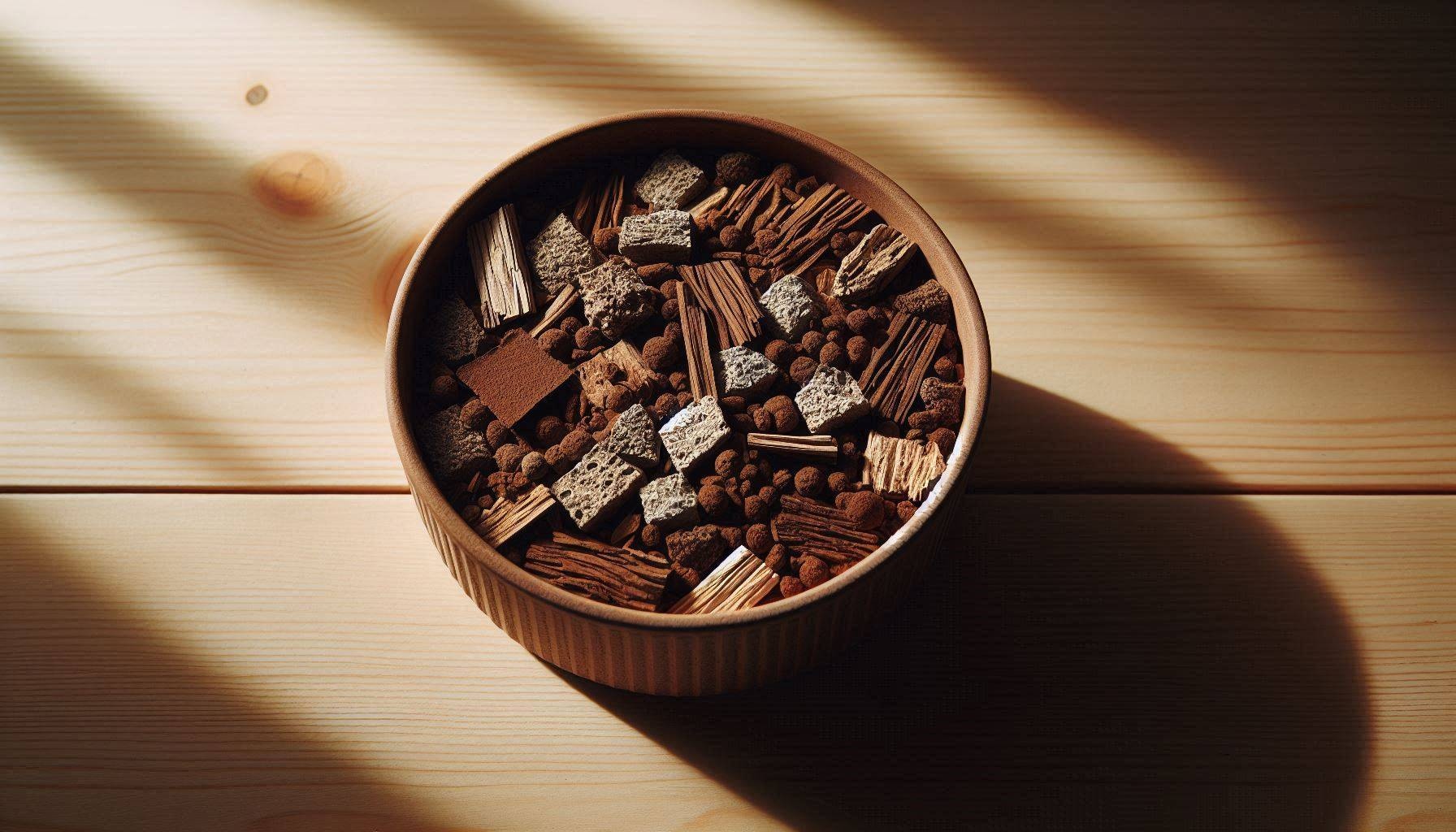
Aroids require airy, well-draining coarse substrate mixes that prevent water retention while retaining light moisture. A reliable baseline mix combines equal parts:
- Coarse orchid bark (for airflow and structure)
- Perlite or pumice (for drainage and aeration)
- Coco coir or peat moss (for light moisture retention)
- Horticultural charcoal (to help maintain freshness in the substrate)
Integrated Pest Management
Regular inspections prevent minor pest sightings from turning into major infestations. Wipe leaves clean with a damp microfiber cloth to keep stomata clear and remove dust.
If soft-bodied pests like spider mites or mealybugs appear, apply ready-to-use insecticidal soaps or neem oil formulations specifically labeled for indoor ornamental plants. Always test sprays on a single leaf 24 hours prior to full application, follow manufacturer directions, and avoid mixing chemical treatments or creating homemade soap solutions, which can strip protective leaf cuticles.
Frequently Asked Questions
Which rare plant is safest for a beginner to purchase first?
Syngonium podophyllum ‘Albo-Variegatum’ and Philodendron squamiferum are two of the safest options. Both adapt easily to typical ambient indoor humidity levels, feature strong root systems, and propagate easily if structural corrective trimming becomes necessary.
How do ambient humidity levels impact intermediate rare plants?
While delicate high-elevation tropical plants require 70 to 80 percent humidity, beginner-friendly rare species grow reliably in 40 to 60 percent relative humidity. Maintaining steady ambient moisture, preventing harsh air drafts, and utilizing a room humidifier when winter heating dries indoor air helps keep leaf tips crisp and vibrant.
What is the safest way to acclimate a newly purchased rare plant?
Place newly acquired plants in a warm, brightly lit area isolated from existing plant collections for 14 to 21 days. Maintain consistent soil moisture without overwatering, avoid immediate repotting, and withhold strong fertilizers until the plant demonstrates clear signs of new leaf or root growth.
Action-Oriented Takeaway
Select a sturdy intermediate plant like Syngonium albo or Philodendron squamiferum, pot it into a well-draining coarse bark substrate, and place it in bright indirect light to build practical care skills safely.
Related Guides
- Is It Worth Buying Tissue-Cultured Rare Plants? An Honest Guide for Hobbyists
- Spotting Rare Plant Scams Online: A Houseplant Buyer’s Guide
- Why Are Rare Houseplants So Expensive? Pricing Explained
Cover photo by vadim kaipov on Unsplash.