You can propagate a variegated Monstera with very little equipment. The best propagation supplies are the ones that make the node easy to inspect, keep moisture stable and reduce the chance of rot.
Quick answer: start with a clean cutting tool, a clear rooting container, your chosen medium and a stable warm location with bright indirect light. Add humidity boxes, heat mats or specialty propagation stations only when they solve a specific problem.
For the complete technique, read How to Propagate Variegated Monstera: Cutting & Rooting Guide first.
Essential vs Optional Propagation Gear
| Supply | Priority | What it does |
|---|---|---|
| Sharp pruning shears or knife | Essential | Makes a clean cut through healthy stem tissue |
| Isopropyl alcohol | Essential | Sanitizes cutting tools |
| Clear container | Essential for water rooting | Makes roots and water quality easy to inspect |
| Sphagnum moss | Optional rooting medium | Holds moisture while staying airy when loose |
| Perlite or pumice | Optional rooting medium | Adds air space around the node |
| Propagation box | Optional | Stabilizes humidity around small cuttings |
| Heat mat | Optional | Can raise rooting-zone temperature in cold rooms |
| Plant labels | Useful | Tracks cultivar, date and cutting location |
1. Cutting Tools
Use a sharp knife or pruning shear that can cut the stem cleanly without crushing it.
Before each cut:
- remove visible debris;
- wipe the blade with isopropyl alcohol;
- allow it to dry briefly;
- make one clean cut through healthy tissue.
A clean tool matters more than buying a specialized propagation gadget.
2. Clear Rooting Containers
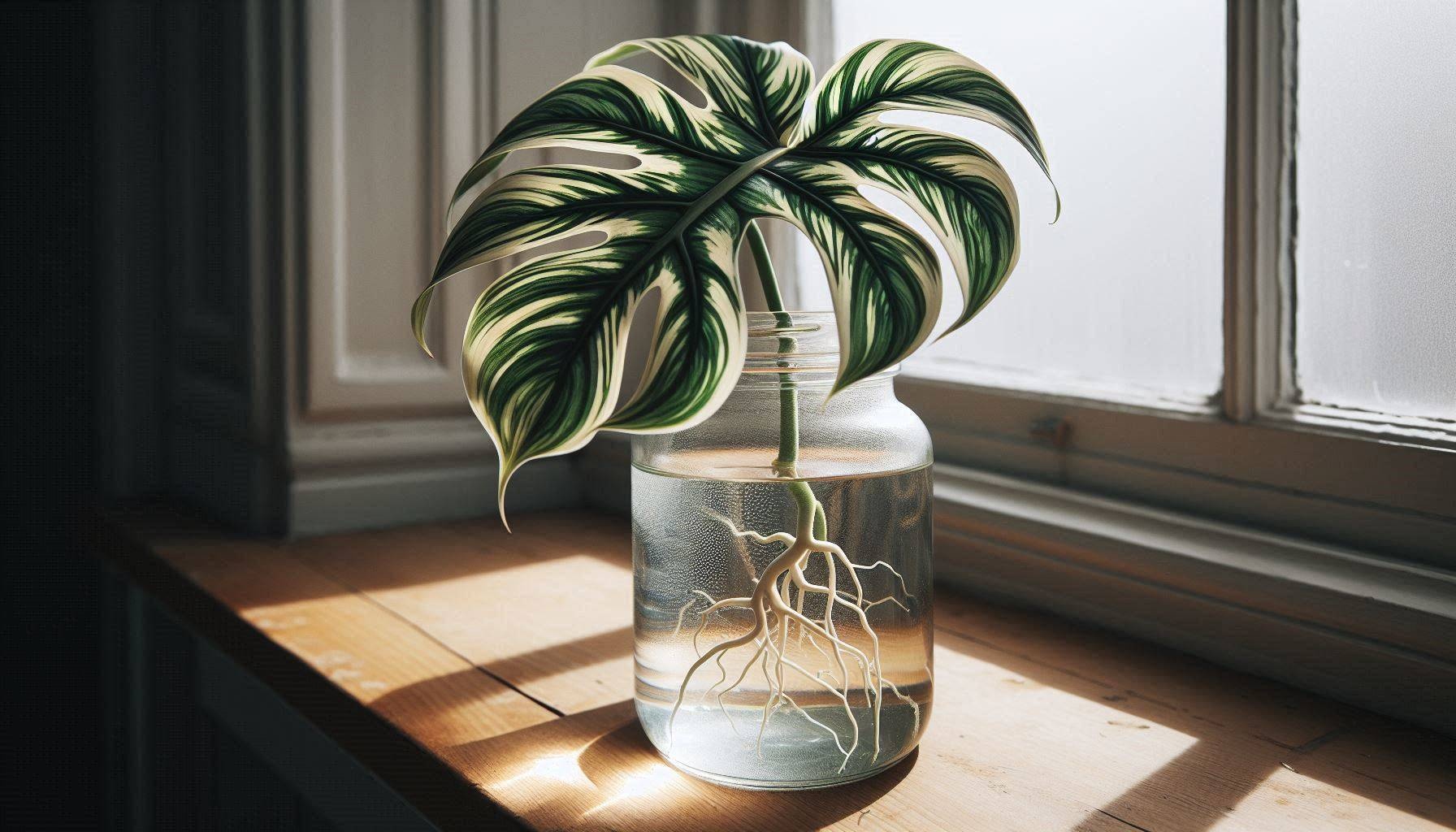
For water propagation, clear containers make it easy to see:
- new root growth;
- cloudy water;
- algae buildup;
- dark or soft stem tissue;
- whether the node is submerged too deeply.
Choose a container narrow enough to support the cutting without crushing the stem. A stable jar, vase or purpose-built propagation vessel can all work.
A decorative propagation station is optional. Buy one for organization, not because it roots plants better by itself.
3. Sphagnum Moss
Long-fiber sphagnum is useful because it can hold moisture while maintaining air space when it is kept loose.
The key is not to pack it tightly or leave it dripping wet.
Moisten the moss, squeeze out excess water, then place it loosely around the node. Check the node periodically instead of burying it where rot can go unnoticed.
See Sphagnum Moss for Rare Plant Propagation for a deeper comparison.
4. Perlite or Pumice
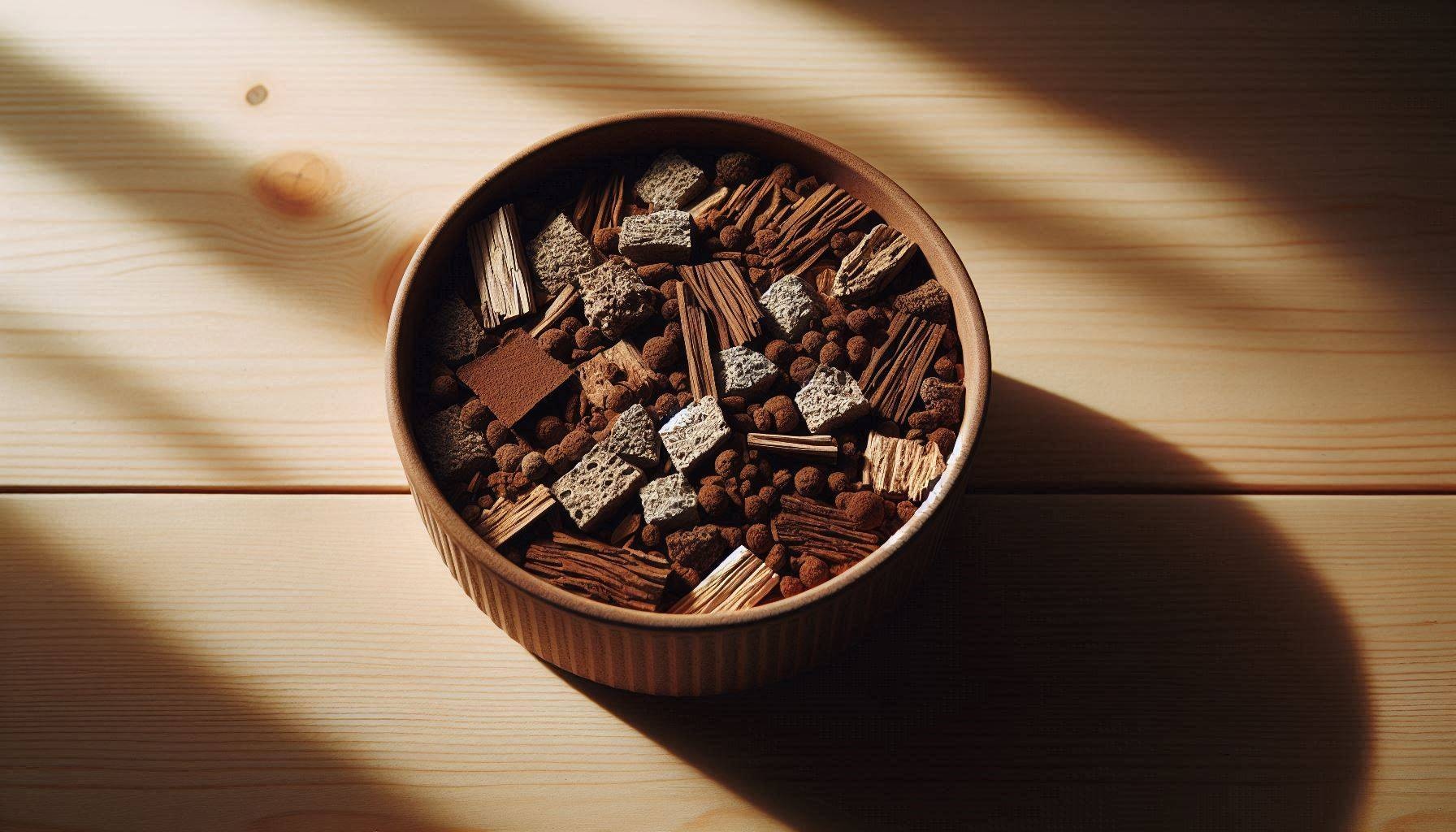
Perlite and pumice create a very airy rooting environment. They can be used alone in semi-hydro-style propagation or mixed with sphagnum to increase air space.
They are useful for growers who tend to keep moss too wet.
The tradeoff is that highly aerated media can dry faster, so moisture needs to be monitored consistently.
5. Propagation Boxes
A clear plastic box can help stabilize humidity around small cuttings and reduce rapid drying.
Use one when:
- your room is very dry;
- the cutting has limited roots;
- you are rooting several small nodes at once.
Do not seal the box and forget it. Open it regularly for inspection and airflow, and remove any rotting material immediately.
6. Heat Mats
Warmth can support root development when the room is cool, but a heat mat is not automatically necessary.
If you use one:
- choose a thermostat-controlled setup when possible;
- avoid overheating a small container;
- monitor moisture because warmer media can dry faster;
- do not place cuttings directly against an unregulated high-heat surface.
7. Plant Labels
Labels are inexpensive and especially useful if you propagate multiple cuttings.
Record:
- cultivar;
- cutting date;
- mother plant or node position;
- rooting method;
- any treatment or medium change.
This becomes valuable when comparing which methods work best in your own environment.
Do You Need Rooting Hormone?
A healthy Monstera node can root without rooting hormone. It is not a requirement for successful propagation.
Do not use hormone to compensate for a damaged or nonviable node. First confirm that the cutting contains a true node and growth point.
See Monstera Node vs Axillary Bud before taking an expensive variegated cutting.
What to Buy for Water Propagation
A minimal water-rooting kit is:
- sanitized pruning tool;
- stable clear container;
- clean water;
- plant label;
- bright indirect light.
That is enough for many cuttings.
What to Buy for Sphagnum Propagation
A practical setup is:
- sanitized cutting tool;
- long-fiber sphagnum;
- ventilated clear container;
- optional perlite for extra air space;
- plant label;
- hygrometer only if you are using an enclosed propagation area.
When to Move From Propagation Gear to a Pot
Do not keep a cutting in a propagation system simply because it looks attractive there. Move it when the root system is established enough to handle potting.
For the next step:
Buying Checklist
Before buying propagation equipment, ask:
- Can I inspect the node easily?
- Can I control moisture without keeping the stem saturated?
- Is the container stable enough for the cutting?
- Can I clean and sanitize it easily?
- Does this item solve a real problem in my room?
- Will I still use it after this one cutting roots?
Common Mistakes
- buying an elaborate station but using a cutting without a viable node;
- packing sphagnum tightly around the stem;
- submerging too much stem in water;
- using dirty containers or tools;
- heating the rooting medium without monitoring temperature;
- sealing a propagation box without regular inspection;
- potting after the first tiny root appears.
Frequently Asked Questions
Is water propagation cheaper than sphagnum?
Usually, because a clean container and water may be all you need. Sphagnum or perlite adds material cost but can offer different moisture and airflow characteristics.
Are glass propagation stations better than jars?
Not inherently. Their main advantage is organization and stability. Rooting success depends more on the cutting and environment.
Should I buy a heat mat?
Only if your rooting area is consistently cool enough that extra warmth would solve a real limitation. In a warm indoor environment it may be unnecessary.
Related Rare Plant Buying Guides
- Best Rare Plant Supplies
- Best Pots for Variegated Monstera
- Best Grow Lights for Rare Houseplants
- Best Moss Poles for Monstera
For propagation, simple equipment used consistently usually beats a complicated setup that hides the node from view.