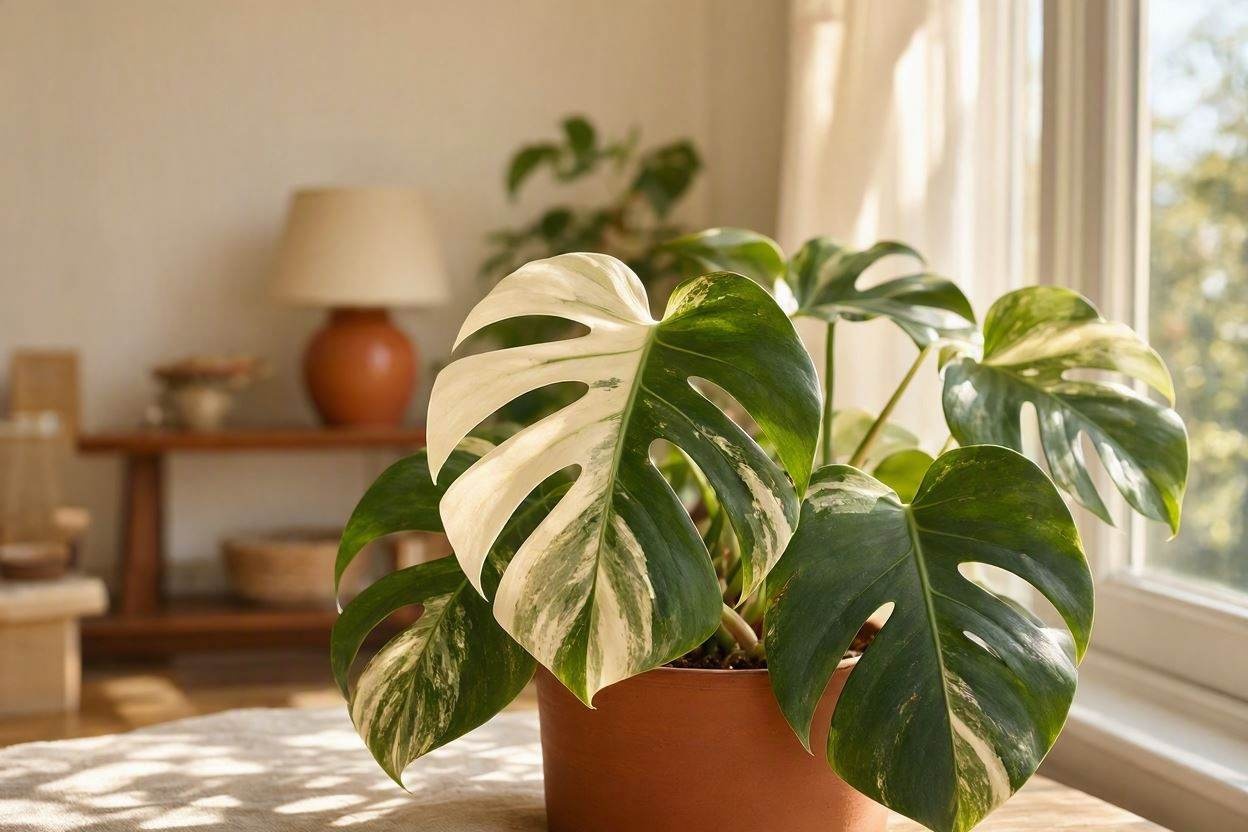
The best grow light for rare houseplants is not necessarily the most powerful one. It is the fixture that gives your plants consistent, usable light across the whole canopy without overheating or bleaching the leaves.
For variegated Monstera, Philodendron, Anthurium and other collectible aroids, prioritize full-spectrum output, useful coverage, adjustable placement and a timer over decorative features.
Quick answer: choose a full-spectrum LED sized for the shelf or growing area, follow the manufacturer’s recommended distance, start with a conservative schedule, and increase exposure gradually while watching new growth.
For measured light ranges rather than product selection, use the companion guide: How Much Light Do Rare Aroids Need?.
Shopping now? Compare our 3 best grow-light picks for 2026 with quick product comparisons and recent tracked prices.
What to Look For in a Grow Light
1. Full-spectrum output
White full-spectrum LEDs are practical for living spaces and plant shelves because they provide a broad range of visible wavelengths while making leaf color easy to inspect.
Do not choose a fixture based only on the word “full spectrum.” Coverage and intensity at the actual plant height matter just as much.
2. Published coverage or intensity information
A useful manufacturer should show the area the light is designed to cover and, ideally, how intensity changes with distance. A small bulb may work well for one plant but perform poorly across a wide shelf.
If the manufacturer provides a PPFD map, compare the reading at the height where your leaves will actually sit rather than relying on the maximum number printed on the box.
3. Adjustable mounting distance
As plants grow, the canopy moves closer to the fixture. A light that can be raised, dimmed or repositioned is easier to keep within a safe range.
4. Timer compatibility
A timer makes daily exposure consistent. For supplemental indoor lighting, 10 to 14 hours per day is a practical range to test, then adjust for fixture intensity, natural window light, season and plant response.
5. Coverage that matches the collection
- Single plant: a focused bulb or pendant may be enough.
- Narrow shelf: LED bars or strips can give more even coverage.
- Wide cabinet or table: a panel or multiple bars may reduce dark corners.
Grow Light Placement: Start Conservatively
There is no universal distance that works for every fixture. A low-output bulb and a high-output panel can produce very different intensities at the same distance.
Start with the manufacturer’s guidance. If you are moving a plant from a dim location, acclimate it over one to two weeks rather than placing it immediately at maximum intensity.
Watch the leaves closest to the source. Pale, bleached, tan or crisp areas after an increase in light can indicate excessive exposure or heat.
Signs Your Current Light Is Too Weak
Look for trends in new growth rather than one isolated leaf:
- longer gaps between leaves on climbing stems;
- smaller new leaves;
- slow growth during an otherwise active season;
- a plant leaning strongly toward a window or lamp;
- potting mix staying wet much longer because the plant is using less water.
A variegated plant producing greener leaves deserves closer inspection, but light alone does not determine genetic reversion. The stem and growth point matter. See Variegated Monstera Turning Green? How to Stop Reversion.
Signs the Grow Light May Be Too Strong or Too Close
- bleaching on the leaves nearest the fixture;
- dry, crisp patches after a sudden increase in exposure;
- leaves becoming noticeably warm under the lamp;
- stress appearing only on the upper canopy while lower leaves remain normal.
If these signs appear, increase the distance, reduce intensity or shorten the schedule, then make changes gradually.
Grow Lights and Watering Are Connected
Brighter conditions usually increase how quickly a healthy plant uses water. A plant moved from a dim corner to a stronger grow light may therefore dry faster than before.
Do not respond by watering on a fixed calendar. Check the root zone and adjust based on actual drying time. An airy substrate gives you more margin for error; see the Best Soil Mix for Variegated Monstera: 40/30/20/10 Recipe for a chunky aroid mix.
A Simple Setup Checklist
Before buying or repositioning a light, check:
- How large is the area you need to cover?
- How far will the leaves be from the fixture?
- Can the fixture be raised or dimmed as plants grow?
- Does it work with a timer?
- Does the manufacturer publish useful distance or coverage information?
- Can you acclimate the plants gradually?
Frequently Asked Questions
What color grow light is best for rare houseplants?
A white full-spectrum LED is a practical all-purpose option for indoor collections. More important than the marketing label is whether the fixture provides enough usable light over the actual growing area.
Do variegated plants need stronger grow lights?
Highly variegated plants have less chlorophyll-bearing tissue, so they may benefit from brighter conditions than a comparable solid-green plant. Increase exposure gradually because pale tissue can also show light damage clearly.
Can I leave a grow light on 24 hours a day?
A normal light-dark cycle is preferable. Use a timer rather than continuous light and adjust the schedule based on the fixture and the plant’s response.
Variegated Monstera Next Steps
- Variegated Monstera Turning Green? How to Stop Reversion
- How to Propagate Variegated Monstera
- Best Soil Mix for Variegated Monstera
- How Much Light Do Rare Aroids Need?
The goal is consistency: enough light to support compact, healthy growth without turning the setup into a heat or stress problem.