Growing rare velvet-leaf and ruffled anthuriums does not require a botany degree or a professional greenhouse. Success with coveted species like the Queen Anthurium (Anthurium warocqueanum) and the King Anthurium (Anthurium veitchii) relies on replicating their natural tropical canopy environments: high humidity, consistent airflow, filtered light, and a highly porous, chunky substrate. By mastering these four structural pillars, even a beginner can prevent leaf loss and cultivate spectacular foliage. This comprehensive guide details the exact steps needed to establish a successful routine.
Understanding the Unique Nature of Rare Anthuriums
Many popular species in this genus are epiphytic or hemiepiphytic. In their native habitats throughout the neotropics, they do not grow in dense, compacted soil on the rainforest floor. Instead, they cling to tree trunks, branches, and organic debris where their roots are exposed to frequent rain showers and constant drafts of fresh air. This fundamental adaptation dictates how they must be cared for in an indoor environment.
The prized Anthurium warocqueanum, often referred to as the Queen Anthurium, is famous for its long, velvety, dark green leaves with striking white veins. Meanwhile, the King Anthurium, Anthurium veitchii, is celebrated for its thick, leathery, heavily corrugated leaves that can grow several feet long under ideal conditions. Understanding that these plants live as epiphytes is the foundation of successful anthurium care. Their root systems are designed to breathe, meaning that traditional potting soils will quickly lead to root suffocation and decline.
Crafting the Perfect Chunky Soil Mix
Because these plants grow naturally on trees, potting them in standard, dense potting soil is highly detrimental. The root system of an anthurium requires maximum oxygenation. To provide this, a potting substrate must remain loose, airy, and highly draining, even after repeated watering.
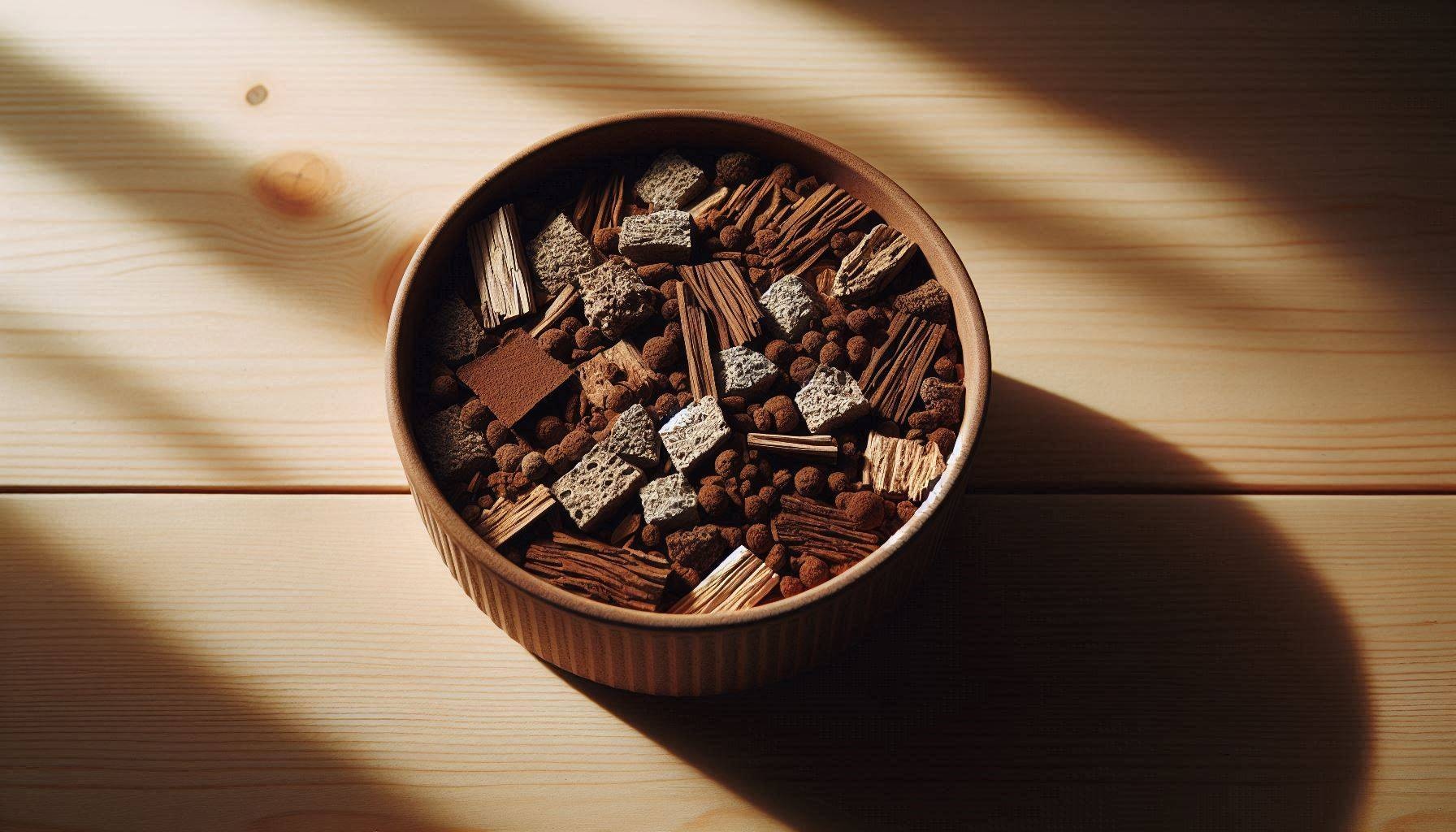
An ideal DIY substrate should mimic the debris caught in tree branches. This is often referred to as an “aroid mix.” Here is a balanced, highly draining recipe suitable for beginner care:
- Two parts chunky orchid bark (for structure and airflow)
- Two parts coarse perlite or pumice (to prevent compaction)
- One part coconut coir or high-quality peat moss (for light moisture retention)
- One part horticultural charcoal (to sweeten the mix and absorb impurities)
- One part high-quality compost or worm castings (for organic nutrients)
For younger plants, imports, or fresh cuttings, some growers prefer using moss as a transition medium. To understand the benefits and potential drawbacks of using this medium, see this analysis on Is Sphagnum Moss Actually the Holy Grail for Rare Plant Propagation? to help guide potting decisions.
Light Requirements for Velvet and Ruffled Leaves
In the wild, these plants are shaded by the massive jungle canopy. Harsh, direct sunlight will scorch the delicate leaves of a warocqueanum or a veitchii, leaving behind permanent yellow or brown patches that can ruin the aesthetic appeal of the plant.
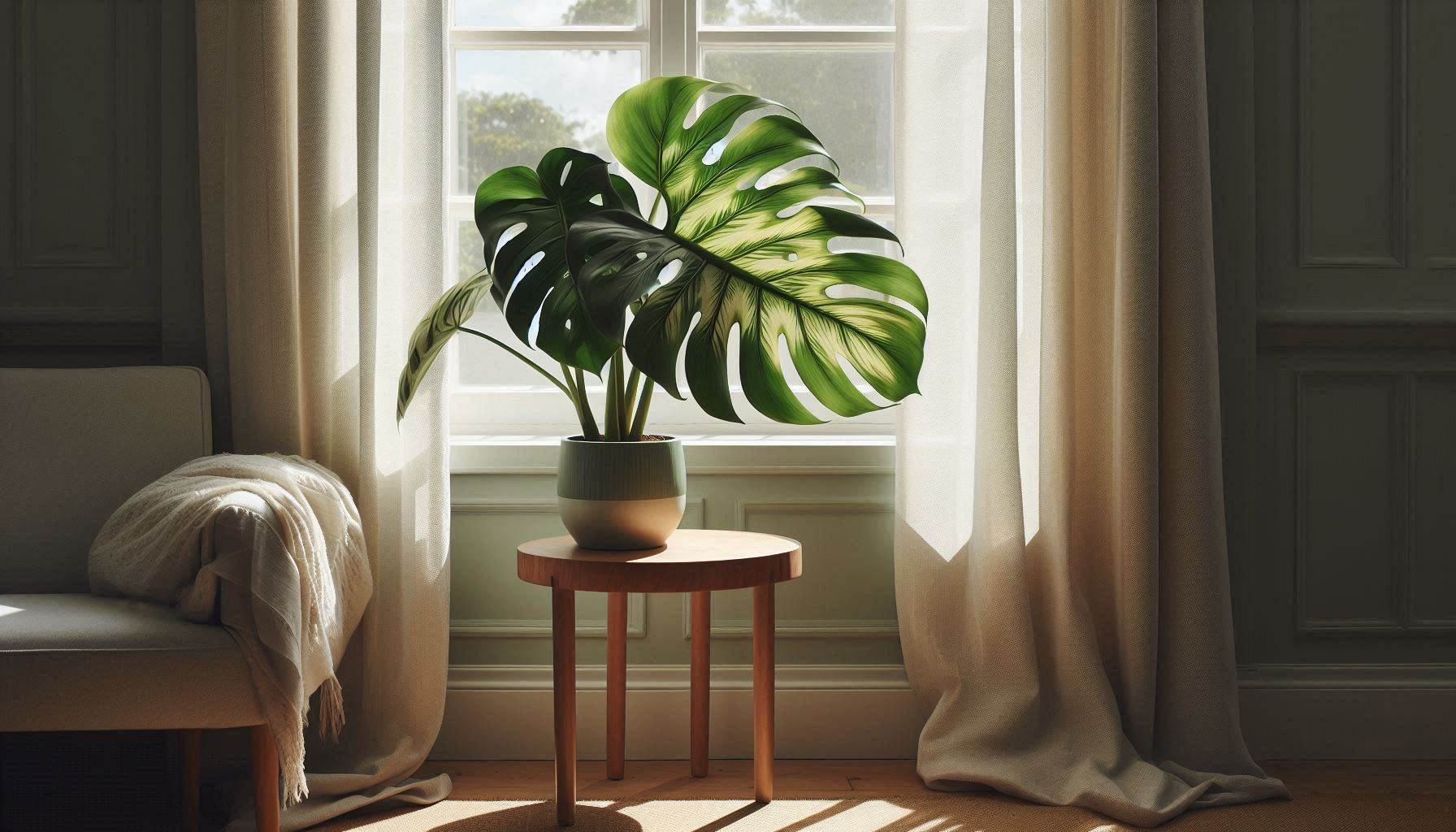
However, keeping them in a dark corner will lead to slow growth, leggy petioles, and smaller leaves over time. The sweet spot is bright, indirect light. Placing the plant a few feet back from a south- or west-facing window behind a sheer curtain works exceptionally well. Alternatively, east-facing windows offer gentle morning sun that these plants generally tolerate without burning.
For those utilizing artificial lights, LED grow lights are a highly reliable option. For a deeper dive into adjusting lumens and foot-candles for these prized specimens, read the guide on How Much Light Do Your Rare Aroids Actually Need? A Real-Talk Guide to Happy Leaves.
Managing Humidity, Water, and Airflow
Proper watering and atmospheric conditions are the most critical components of anthurium care. These plants are sensitive to both drought and prolonged wetness. Finding the correct balance is easier when following a structured approach.
Watering Checklist:
- Always check the moisture level of the substrate before watering. Insert a clean finger or a wooden chopstick a few inches into the mix; if it feels damp, wait.
- When watering, pour water thoroughly through the pot until it drains freely out of the bottom holes.
- Never let the pot sit in standing water inside a saucer or decorative planter, as this cuts off oxygen to the roots.
- Use room-temperature water to avoid shocking the sensitive root system.
Humidity and Airflow Checklist:
- Maintain relative humidity levels between 60% and 80%. Anthurium warocqueanum is particularly prone to leaf crisping if humidity drops below 60%.
- Group plants together to create a natural microclimate of elevated humidity.
- Introduce an oscillating fan to keep the air moving gently. High humidity without adequate airflow creates a stagnant, damp environment that can encourage fungal pathogens.
Diagnosing Common Leaf Symptoms and Potential Causes
When growing rare aroids, keeping an eye on leaf changes is key to catching cultural issues early. It is important to separate what is visible from what might actually be causing the problem, as different issues can manifest in similar ways.
Symptom: Yellowing Lower Leaves
- Possible Cause A: Natural aging. Older leaves will eventually yellow and die off as the plant redirects energy to new growth. If only the oldest leaf is yellowing while the rest of the plant remains healthy, this is generally normal.
- Possible Cause B: Overwatering or poorly draining substrate. When roots are starved of oxygen due to waterlogged soil, the plant cannot uptake nutrients efficiently, leading to generalized yellowing.
- Possible Cause C: Nutrient deficiency. If the plant has not been fertilized during its active growing season, it may sacrifice older leaves to support new foliage.
Symptom: Brown, Crispy Leaf Edges or Tips
- Possible Cause A: Low humidity. The dry indoor air of heated or air-conditioned rooms can quickly dry out delicate leaf tissues, especially on velvet-leaf species.
- Possible Cause B: Underwatering or uneven watering cycles. Allowing the substrate to become bone-dry for extended periods can cause the leaf edges to dry out and die.
- Possible Cause C: Tap water sensitivity. Dissolved minerals, chlorine, or chloramines in tap water can accumulate in the leaf tips, causing localized burn.
Symptom: Soft, Dark Brown or Black Patches
- Possible Cause A: Fungal or bacterial infections. These are often exacerbated by high humidity coupled with poor air circulation or water sitting on the leaves overnight.
- Possible Cause B: Physical cold damage. Exposure to drafts, open windows in winter, or air conditioning vents can cause rapid tissue collapse.
- Possible Cause C: Severe root rot. Pathogens attacking the root system can cause dark, mushy spots to appear on the foliage.
Preventative Care and Safe Maintenance
A healthy maintenance routine keeps these spectacular aroids looking their best without causing unnecessary stress to the delicate root and leaf systems.
Dusting the foliage is a vital but often overlooked task. Wipe the leaves gently with a damp microfiber cloth at least once a month. Dust buildup blocks light absorption and reduces the plant’s ability to photosynthesize efficiently, which can stunt overall growth.
During the active spring and summer growing seasons, apply a balanced, water-soluble fertilizer formulated for houseplants. Dilute it to half or one-quarter of the strength recommended on the product label to prevent fertilizer burn. Always follow the manufacturer’s label instructions precisely.
Inspect the undersides of leaves, sinus areas, and petiole joints regularly for pests like spider mites, thrips, or mealybugs. If pests are spotted, treat the plant immediately. Use commercially available insecticidal soaps or neem oil sprays formulated specifically for indoor plants. Always follow the product label instructions for application and safety, and test a small area of a leaf before spraying the entire plant. Avoid using unregulated household chemicals or highly concentrated home remedies, which can easily strip the protective waxy cuticle of velvet leaves.
Frequently Asked Questions
How can you tell if an Anthurium needs watering?
The most reliable method is checking the weight of the pot or checking the moisture level manually. Feel the top two inches of the potting mix, or insert a clean wooden skewer deep into the container. If the skewer comes out clean and dry, or if the pot feels exceptionally light when lifted, it is time to water. Avoid watering on a strict calendar schedule, as environmental conditions like temperature and light fluctuate constantly throughout the year.
Can you grow Anthurium warocqueanum and veitchii in ambient indoor humidity?
While some growers report success acclimating Anthurium veitchii to ambient indoor humidity (around 40% to 50%), Anthurium warocqueanum is highly sensitive to dry air. Without humidity levels consistently above 60%, the Queen Anthurium will frequently develop crispy brown margins, struggle to emerge from its cataphylls, or produce deformed leaves. Utilizing a humidifier, greenhouse cabinet, or glass dome is highly recommended for these delicate species to prevent aesthetic damage.
What is the best type of pot for rare Anthuriums?
Terracotta pots allow for excellent breathability and help the substrate dry out faster, which can protect against overwatering. However, they also require more frequent watering. Clear plastic nursery pots with abundant drainage holes are highly favored by collectors because they allow for visual monitoring of root health and substrate moisture levels without disturbing the root system.
Assess your indoor humidity and light levels today, choose a chunky, bark-heavy potting medium, and secure a well-draining pot to provide your new anthurium with the ideal structural foundation for healthy, magnificent leaf development.