A practical Pink Princess Philodendron profile for bright filtered light, loose soil, careful watering, climbing support and pink variegation management.
WaterWater more freely during active growth but avoid waterlogging; reduce frequency when growth slows
HumidityModerate to high
SoilLoose, free-draining houseplant or aroid mix
TemperatureWarm indoor conditions; keep away from cold drafts
PropagationStem-tip or leaf-bud cutting with viable growth tissue
Care in practice
What good care looks like
Bright filtered lightJudge usable light where the foliage sits and acclimate gradually when increasing intensity.Airy root zoneKeep enough coarse structure around the roots that watering does not leave the pot stagnant.Inspect the plant closelyUse leaves, stems, petioles and roots as evidence before changing several care variables at once.
Care priorities
What matters most
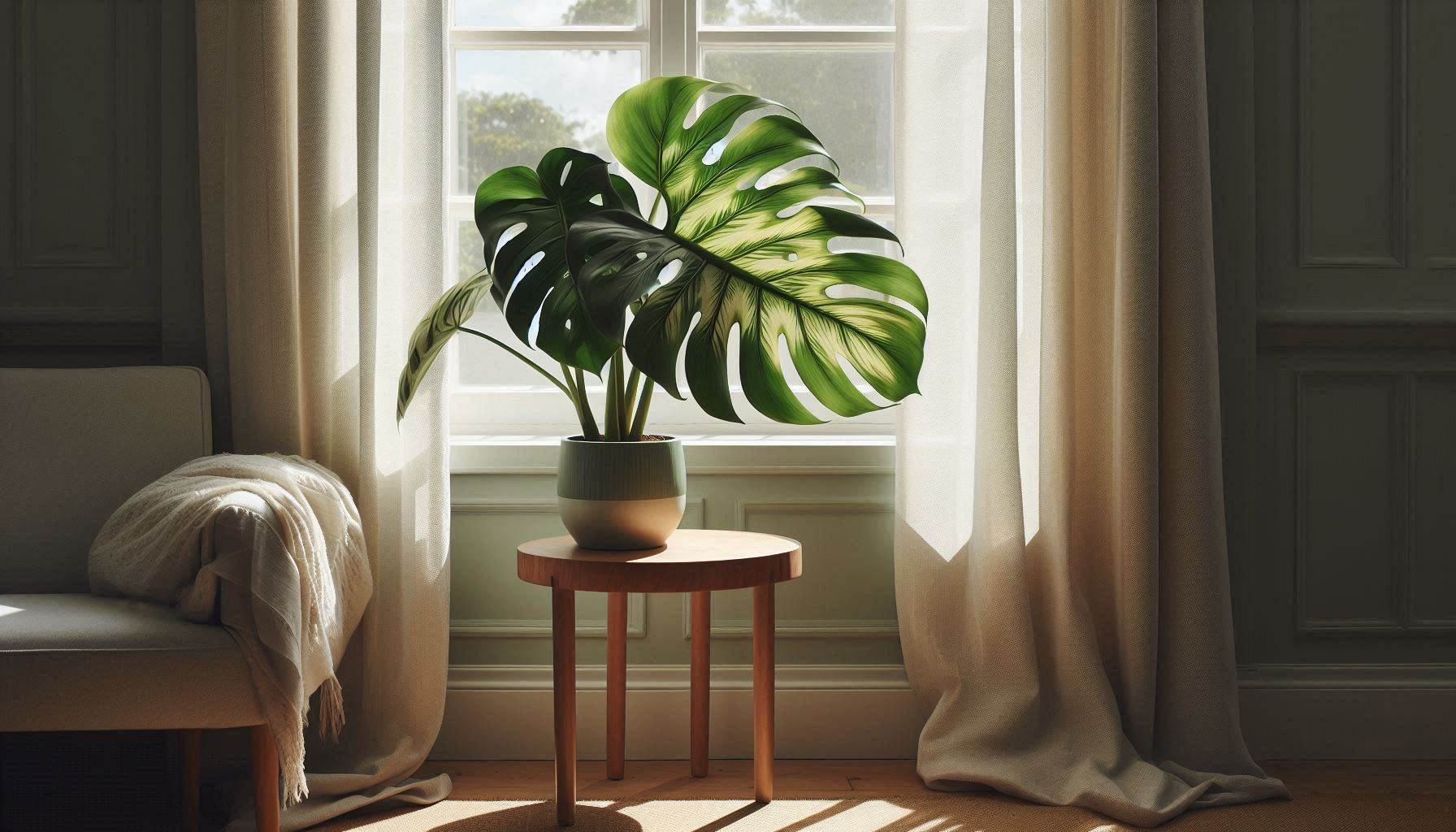
Give enough filtered light for compact growth without exposing leaves to hot direct sun.
Keep the mix free-draining and avoid leaving roots saturated.
Provide climbing support if you want larger, more upright mature growth.
Watch for
Common trouble
Spider mites or scale insects, especially on stressed plants.
Root stress from dense or persistently wet compost.
Very low light can lead to weaker, less compact growth.
Variegation note
Pink patterning can vary strongly from leaf to leaf. Judge the active growth point and several leaves together rather than expecting every new leaf to have the same amount of pink.
Pink Princess does best when the basics stay boring and consistent: filtered light, a loose root zone and steady climbing growth. Do not chase pink by making several care changes at once.