A practical Monstera Albo profile for bright indirect light, careful watering, airy soil, variegation management and node-based propagation.
Difficulty: IntermediateHabit: Climbing
Care snapshot
The essentials at a glance
LightBright, indirect light; protect pale tissue from harsh direct sun
WaterWater after the top few centimetres of mix begin to dry; avoid prolonged saturation
HumidityModerate to high; stable humidity is more useful than constant misting
SoilAiry, well-drained aroid mix that still holds some moisture
TemperatureWarm indoor conditions; protect from cold drafts
PropagationStem cutting with a viable node and growth point
Care in practice
What good care looks like
LightUse bright filtered light and acclimate gradually if the plant is moved closer to a window.Learn more →Root zoneUse a loose chunky mix so thick Monstera roots retain air after watering.Learn more →VariegationRead the stem and growth point when new leaves become progressively greener.Learn more →PropagationA viable node and growth point are required to produce a new vine.Learn more →
Care priorities
What matters most
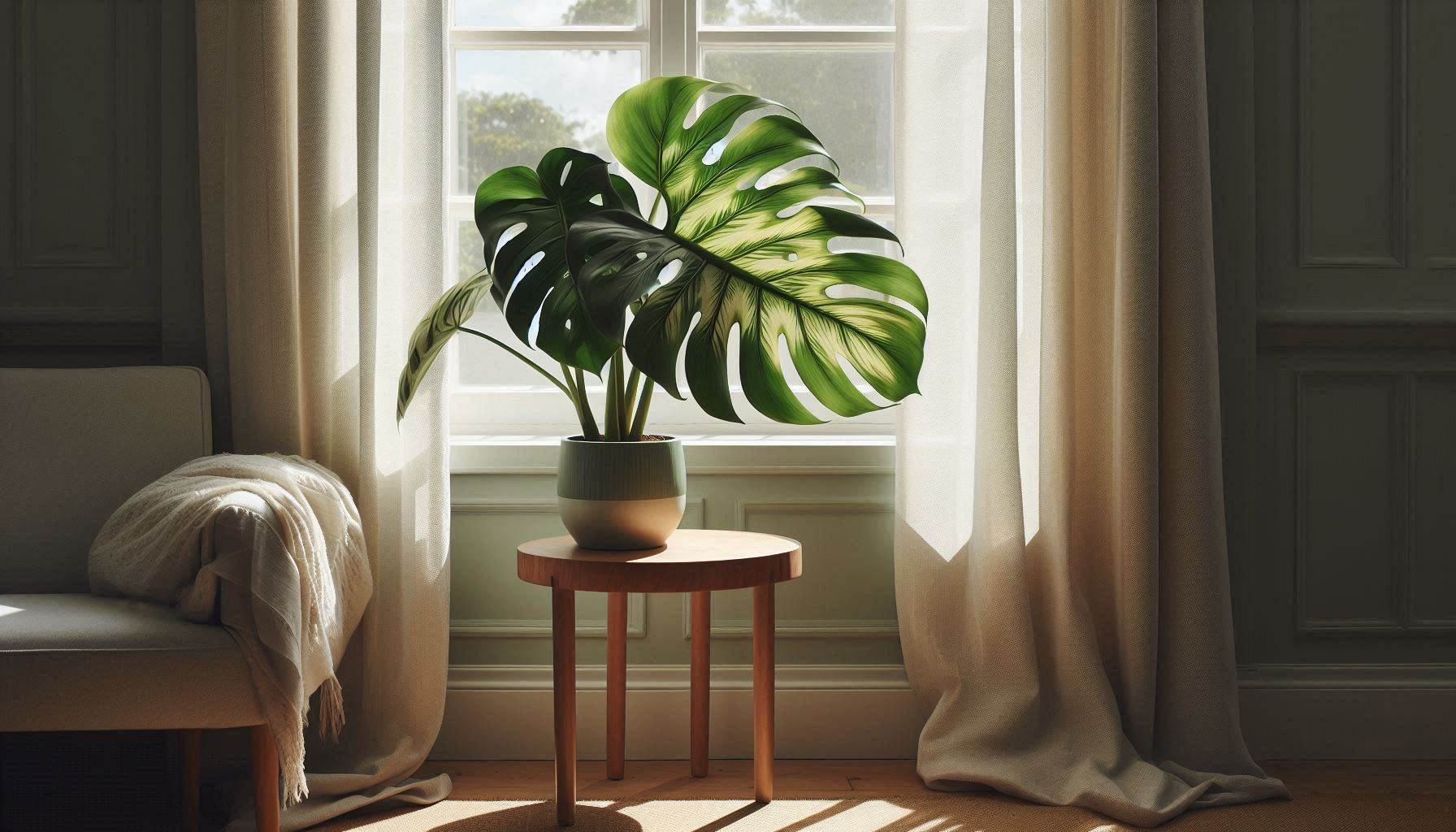
Give enough usable light to support slower variegated growth without scorching white tissue.
Keep the root zone airy and let the upper mix begin to dry before watering again.
Provide a support as the plant matures so climbing growth can size up.
Watch for
Common trouble
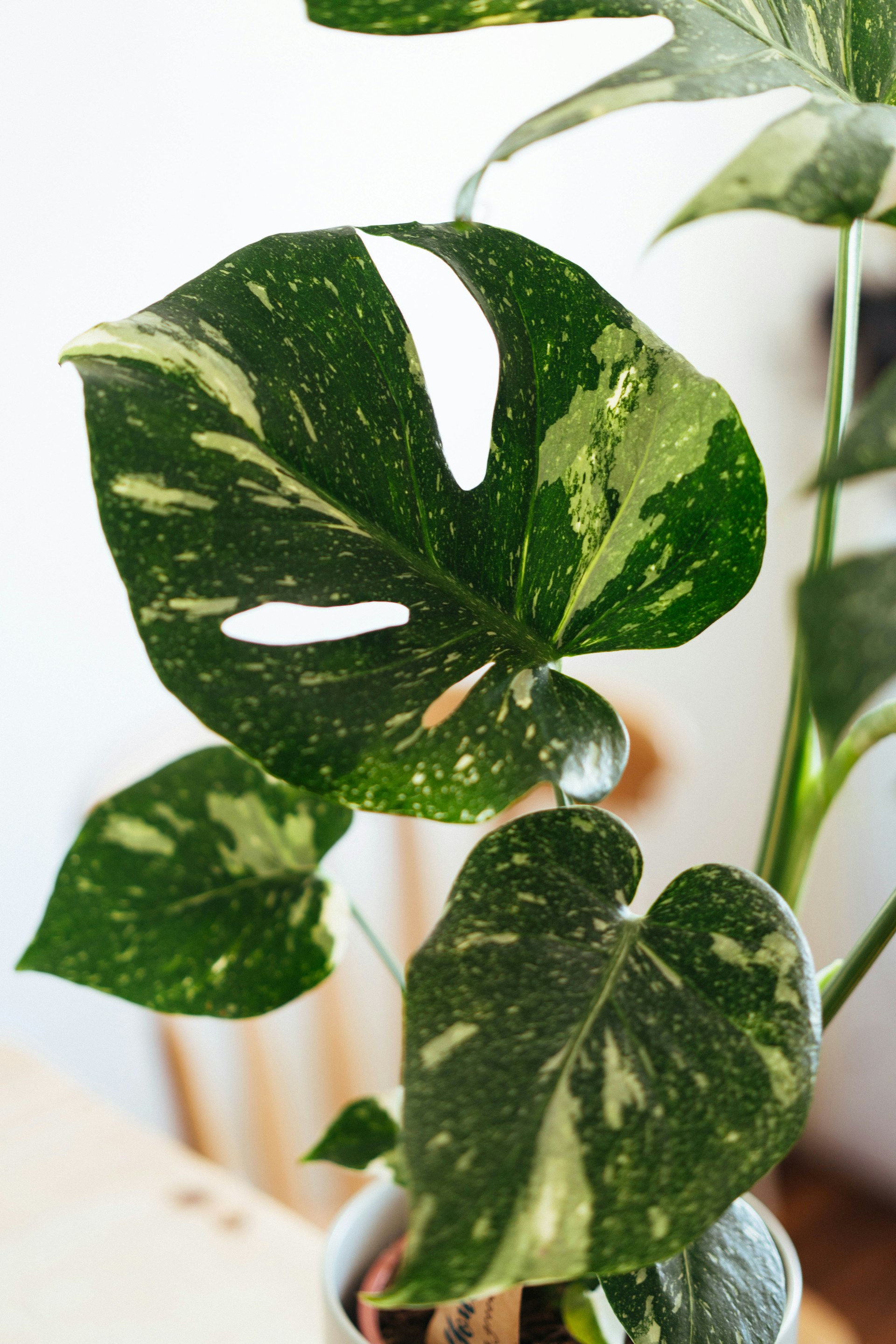
Persistent greener growth combined with reduced stem variegation can indicate reversion.
Wet, oxygen-poor mix can lead to root decline and yellowing.
Scale insects and spider mites may appear on stressed indoor plants.
Variegation note
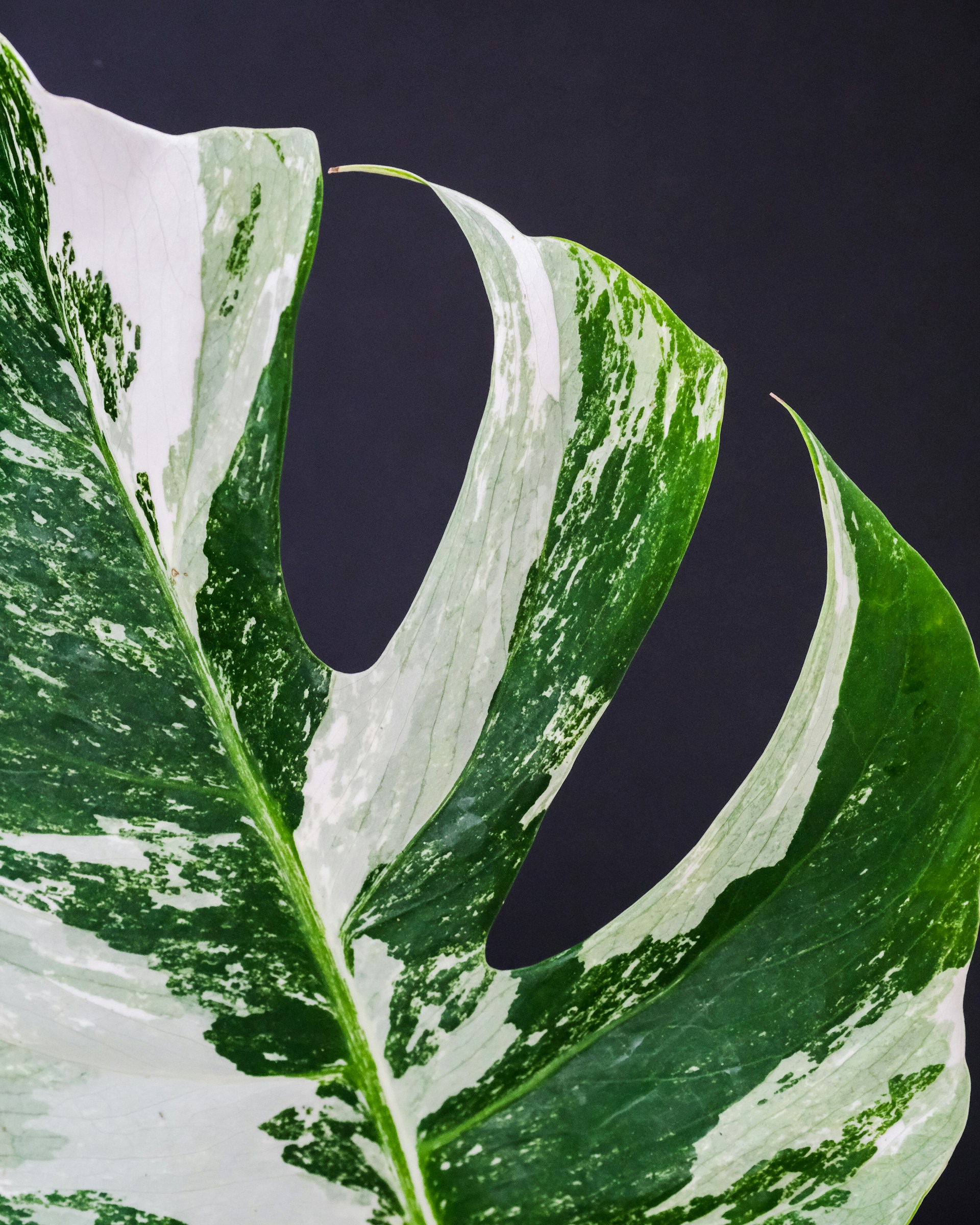
Variegation is tied to the plant's growth tissue. Light can support healthy variegated growth, but it cannot turn a fully green growth point back into a genetically variegated one.
Propagation basics
Propagate from a real node, not a leaf alone
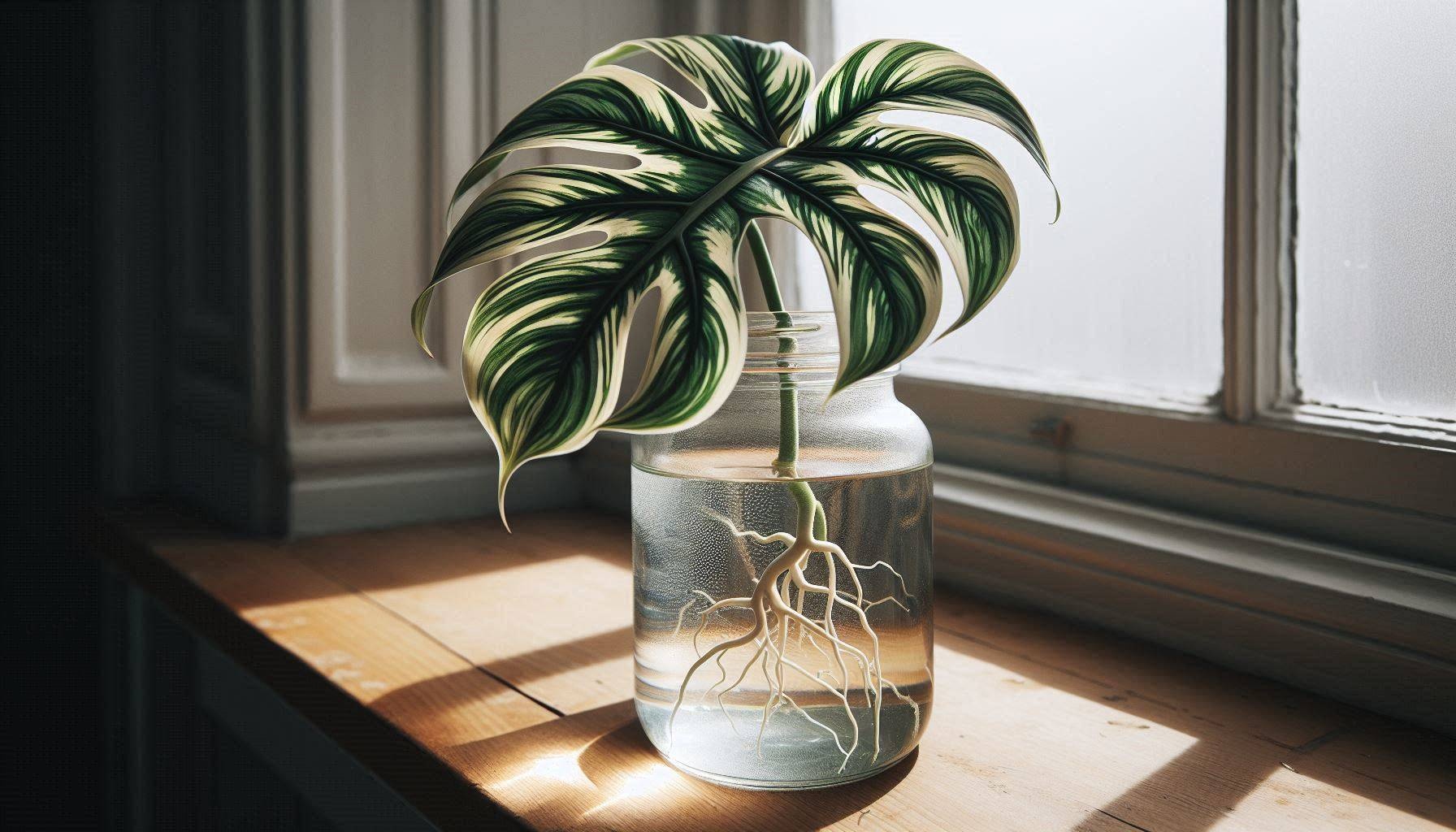
Choose firm stem tissue with a viable node and axillary bud, then root it in water or lightly damp sphagnum before moving to an airy mix.
Monstera Albo rewards stable conditions more than constant adjustment. The combination to protect is usable light + an airy root zone + a viable climbing growth point. When a problem appears, diagnose the visible symptom first rather than changing light, water and soil at the same time.

 Variegated Monstera Turning Green?