Yellow leaves do not prove root rot
Use the root system as the deciding evidence. A plant can show similar foliage symptoms for several reasons, so inspect the root zone before repotting or cutting roots.
Suspect root rot? Check moisture, root texture, color, smell and plant decline before cutting roots or changing the entire care routine.
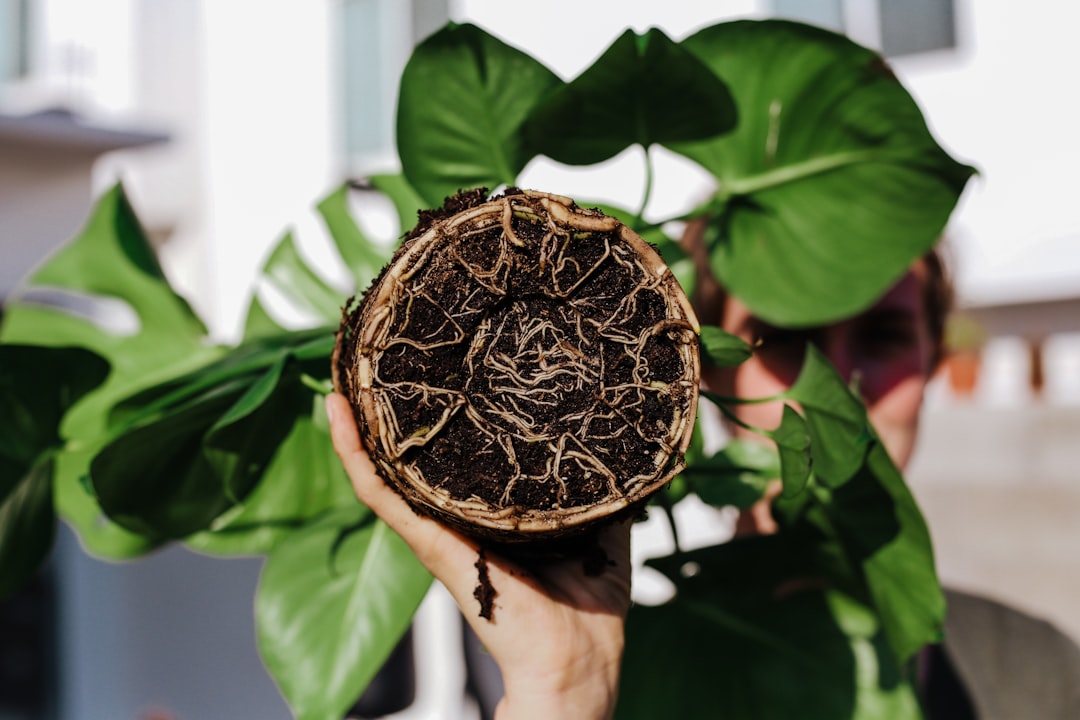
Root rot should be confirmed from the root zone, not diagnosed from yellow leaves alone. The strongest clues are roots that are soft, dark, failing or foul-smelling together with a pot that stays wet and a plant that continues to decline.
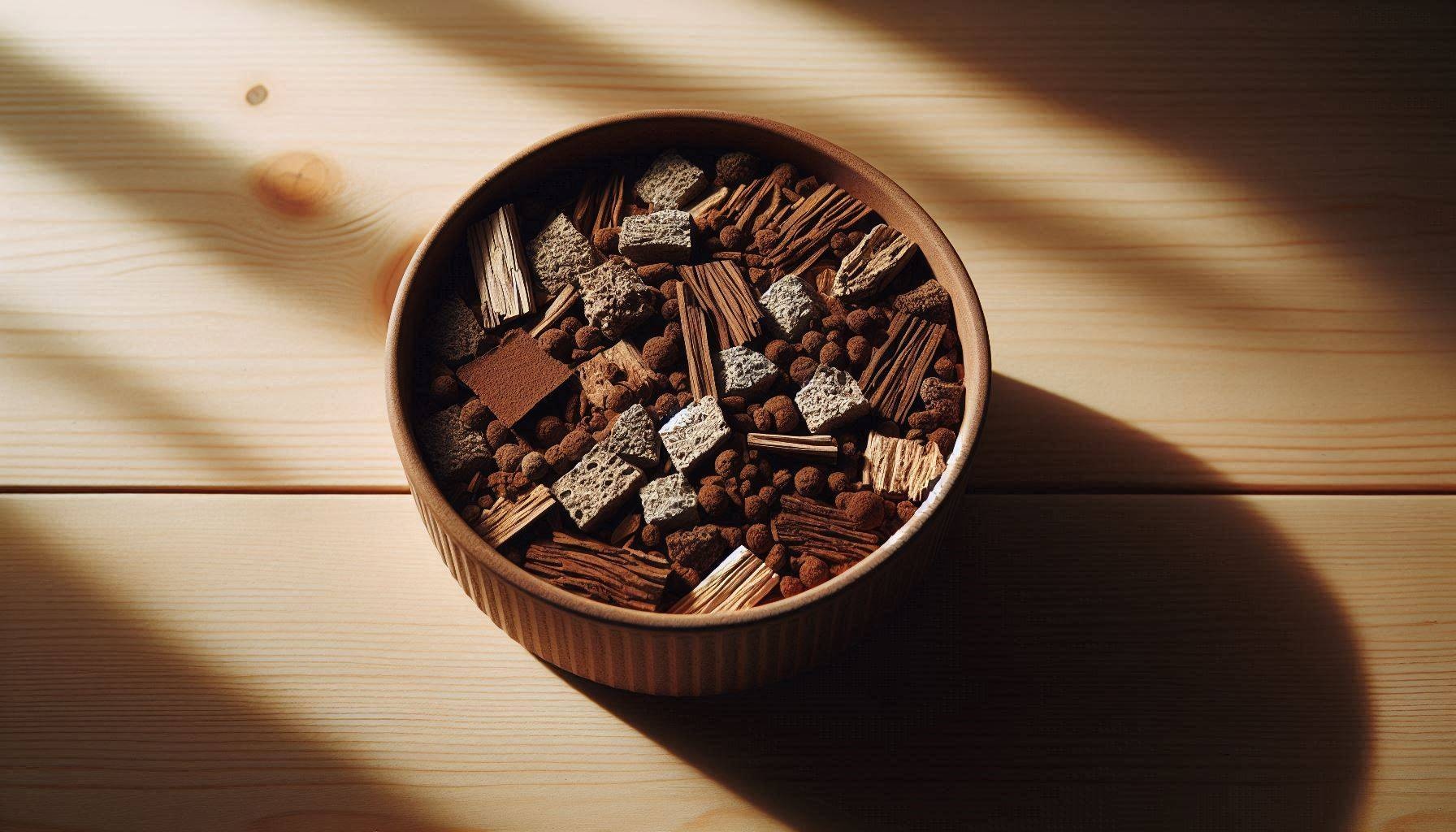
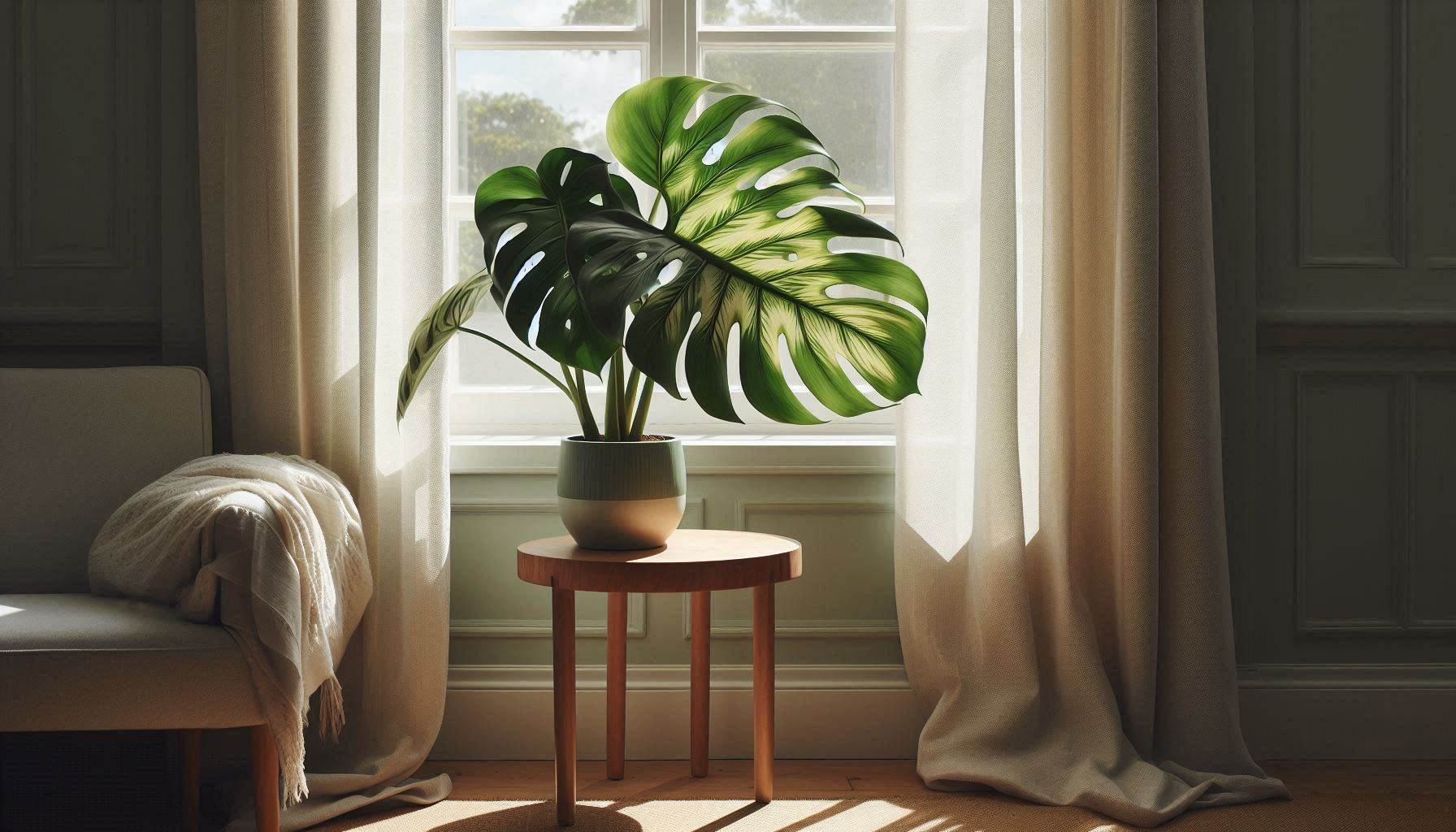
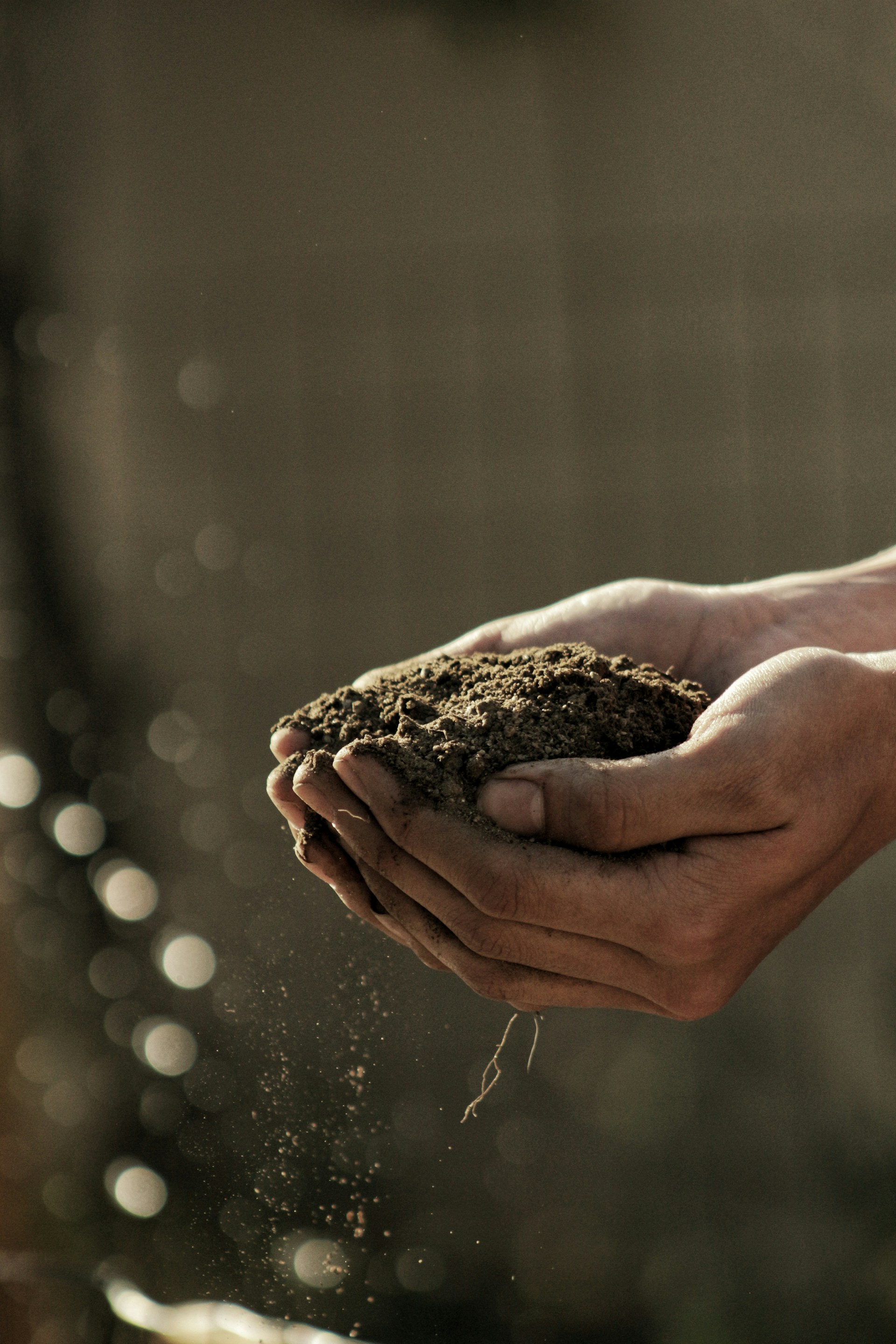 1Unpot and confirm
Use texture, smell and visible root condition as evidence before removing tissue.
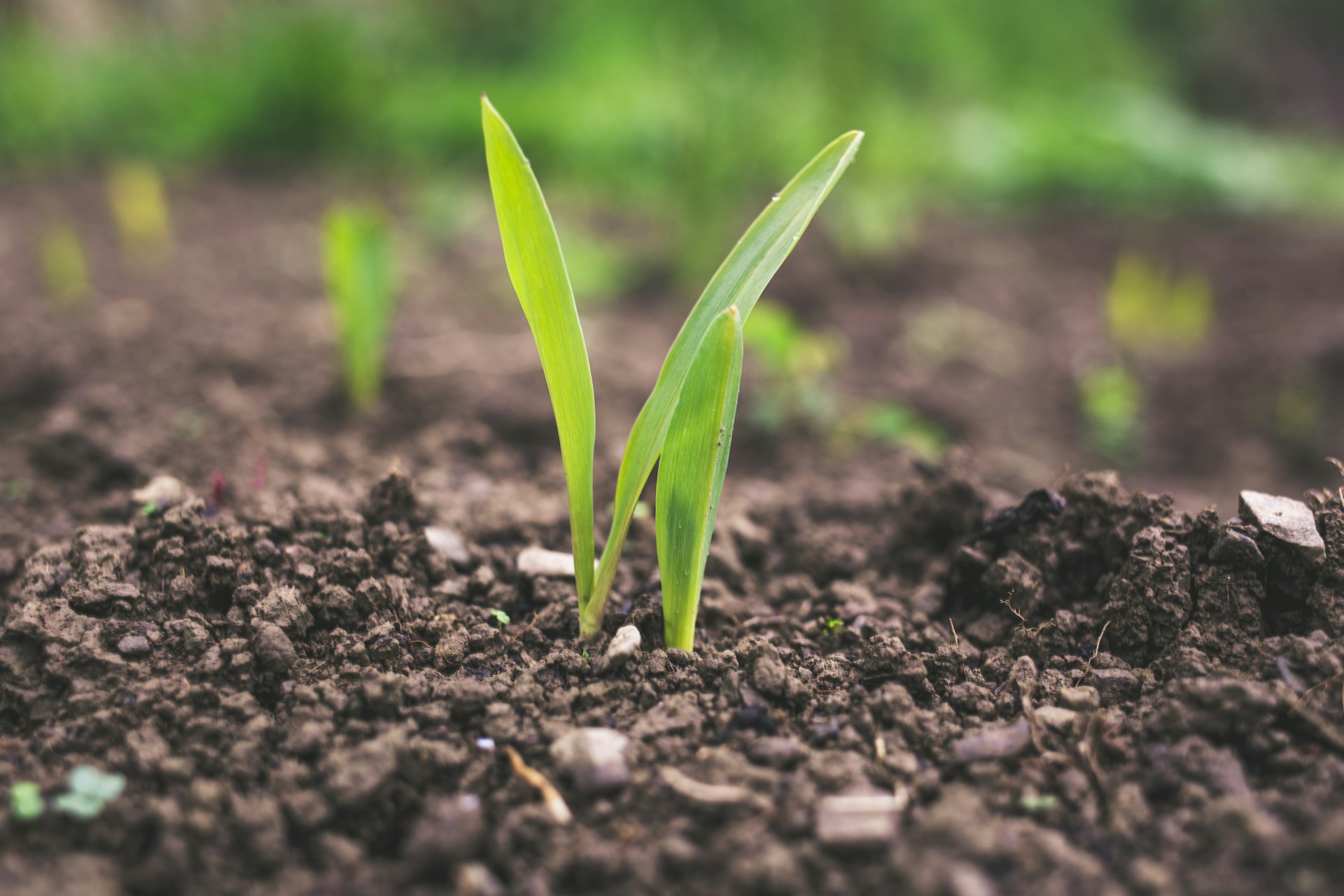 2Remove only failing roots
Trim soft or dead material with a sanitized tool instead of aggressively cutting firm roots.
3Rebuild the root environmentUse an airy mix and a pot that matches the remaining root system.
4Stabilize recoveryUse actual drying and plant response to guide the next watering rather than overcorrecting.
Leaf color overlaps with many other plant problems.
Texture and structural failure matter; do not remove firm healthy tissue unnecessarily.
Too much wet substrate around a reduced root system can recreate the problem.
Recovery needs oxygen and controlled moisture, not another extreme.
The full guide covers root inspection, removal of damaged tissue, repotting and recovery without overcorrecting.
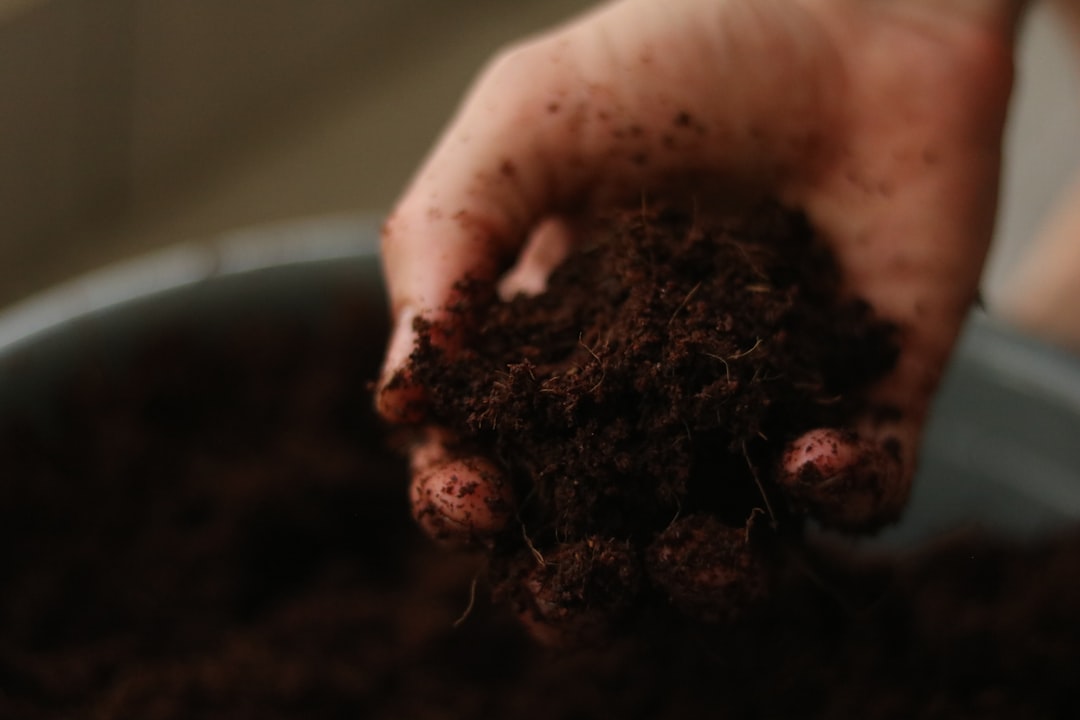 Best Soil Mix Recipes for Rare AroidsBuild a root zone with drainage, aeration and controlled moisture retention.Rare Plant CareReview watering, humidity, light and general root-zone care.
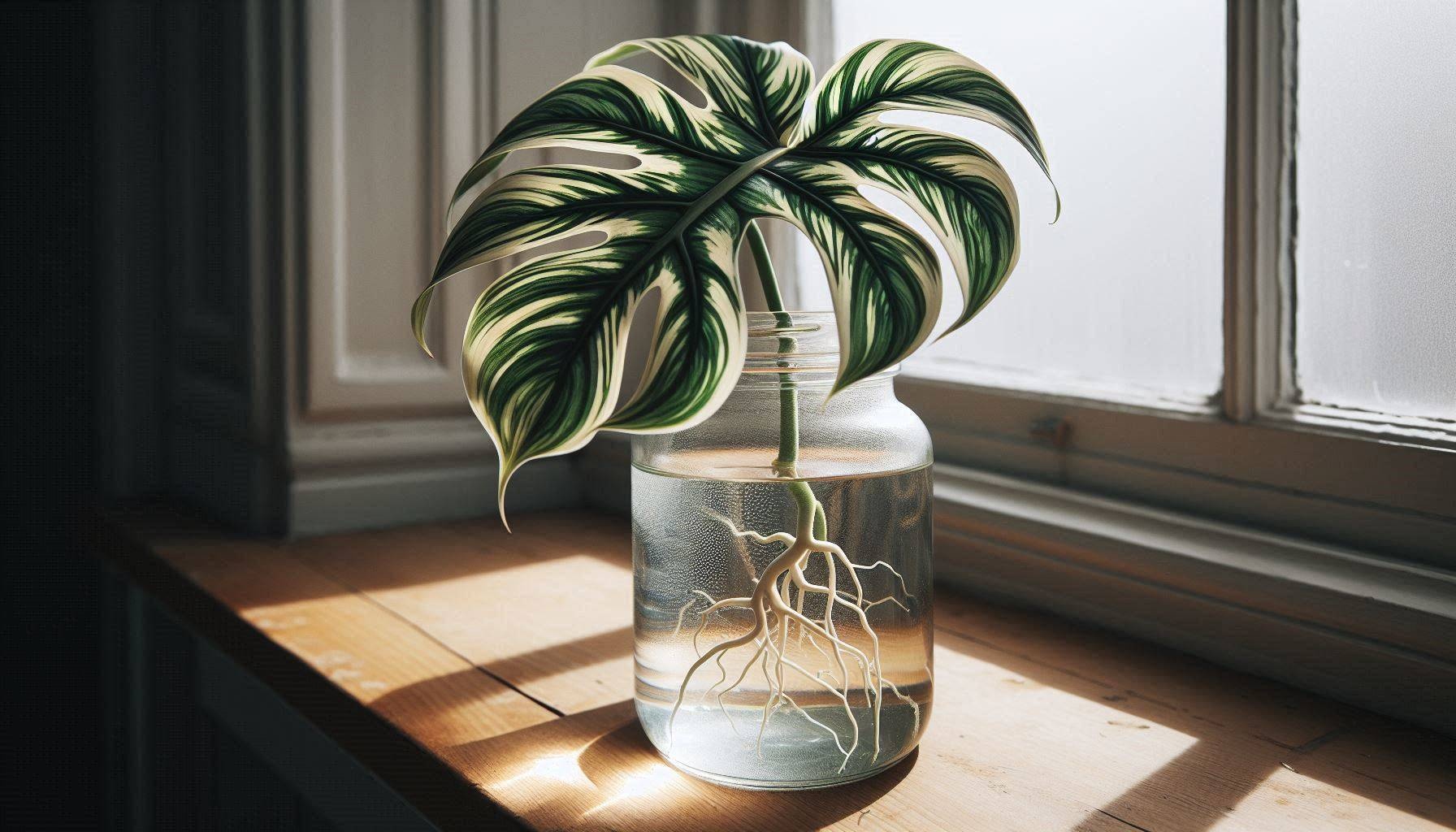 Propagation FailureIf a cutting is failing before establishment, diagnose the node and rooting environment separately.
Use the root system as the deciding evidence. A plant can show similar foliage symptoms for several reasons, so inspect the root zone before repotting or cutting roots.