Why Is My Monstera Cutting Not Growing? Check the Node First
If a Monstera or rare aroid cutting will not grow, check for a viable node, axillary bud, root health, moisture and stable light before changing media.
A cutting can root without producing a new vine if the plant material does not include a viable growth point. Start with the node and axillary bud, then check root condition and the stability of the rooting environment.
Symptoms at a glance
Compare what you see
Find the nodeA real node is a section of stem, not simply the point where a leaf petiole begins.Confirm the growth pointThe axillary bud is the tissue that can activate into the next vine.Read the rootsHealthy roots and a living node can still need time before top growth restarts.Keep the medium airyLoose sphagnum or another airy rooting medium should hold moisture without burying the node in saturation.
How to confirm
Look for these clues
Confirm the cutting includes a real stem node rather than only a leaf and petiole.
Look for a visible or plausible axillary bud at the node.
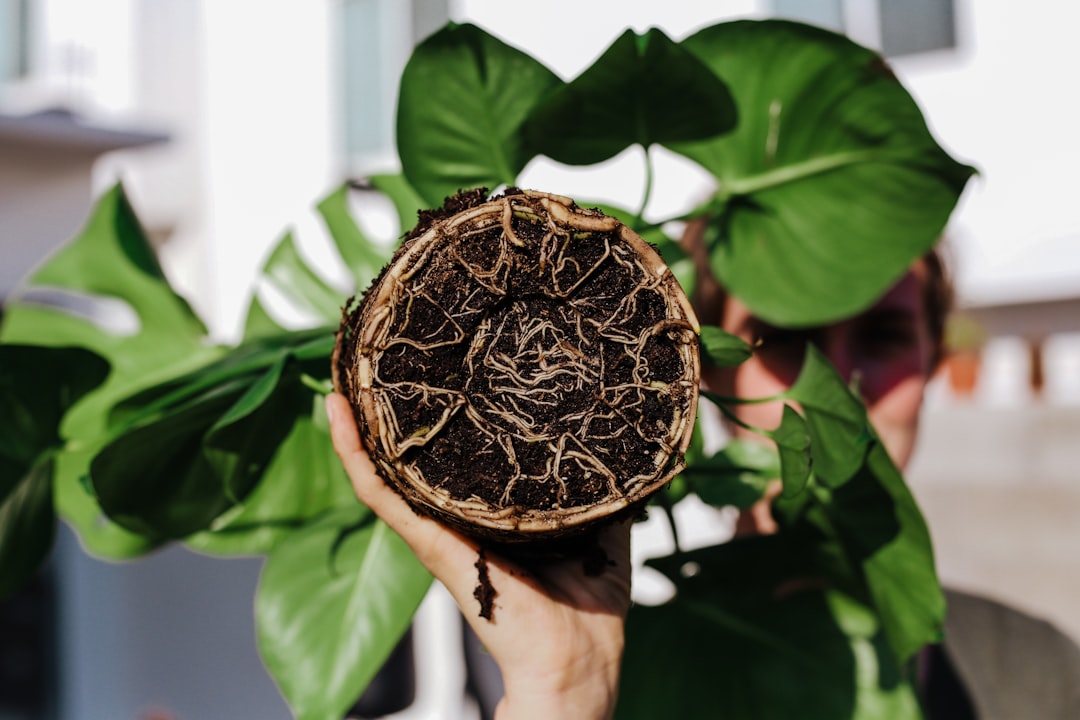
Inspect roots for healthy growth versus soft or failing tissue.
Check whether the rooting medium is staying airy rather than saturated.
Possible causes
Do not assume one cause
No viable growth pointA leaf-only cutting can remain alive or form limited roots but cannot create a new climbing vine without the correct stem tissue.
Root-zone stressA saturated, compacted or frequently disturbed rooting environment can slow establishment and increase rot risk.
Unstable light or humidityLarge swings in conditions can slow a stressed cutting even when the node itself is viable.
What to do now
Work through the fix in order
1Confirm node and bud
Identify the stem structures before waiting for a leaf-only cutting to produce a vine.
2Inspect root condition
Separate slow-but-healthy roots from soft, collapsing or foul-smelling tissue.
3Stabilize the medium
Keep the node hydrated but oxygenated and stop switching methods without a clear reason.
4Give usable light
Keep the cutting in stable bright indirect light while roots and the bud establish.
Common mistakes
What makes the problem worse
Assuming a leaf is a node
A leaf and petiole alone do not contain the growth point needed for a new vine.
Digging up the cutting constantly
Repeated disturbance can damage new roots and reset establishment.
Packing wet moss around the node
Moisture without air raises the risk of soft stem tissue and rot.
Changing media every few days
Stable conditions are usually more useful than repeated method changes.
Detailed guide
How to Propagate Variegated Monstera
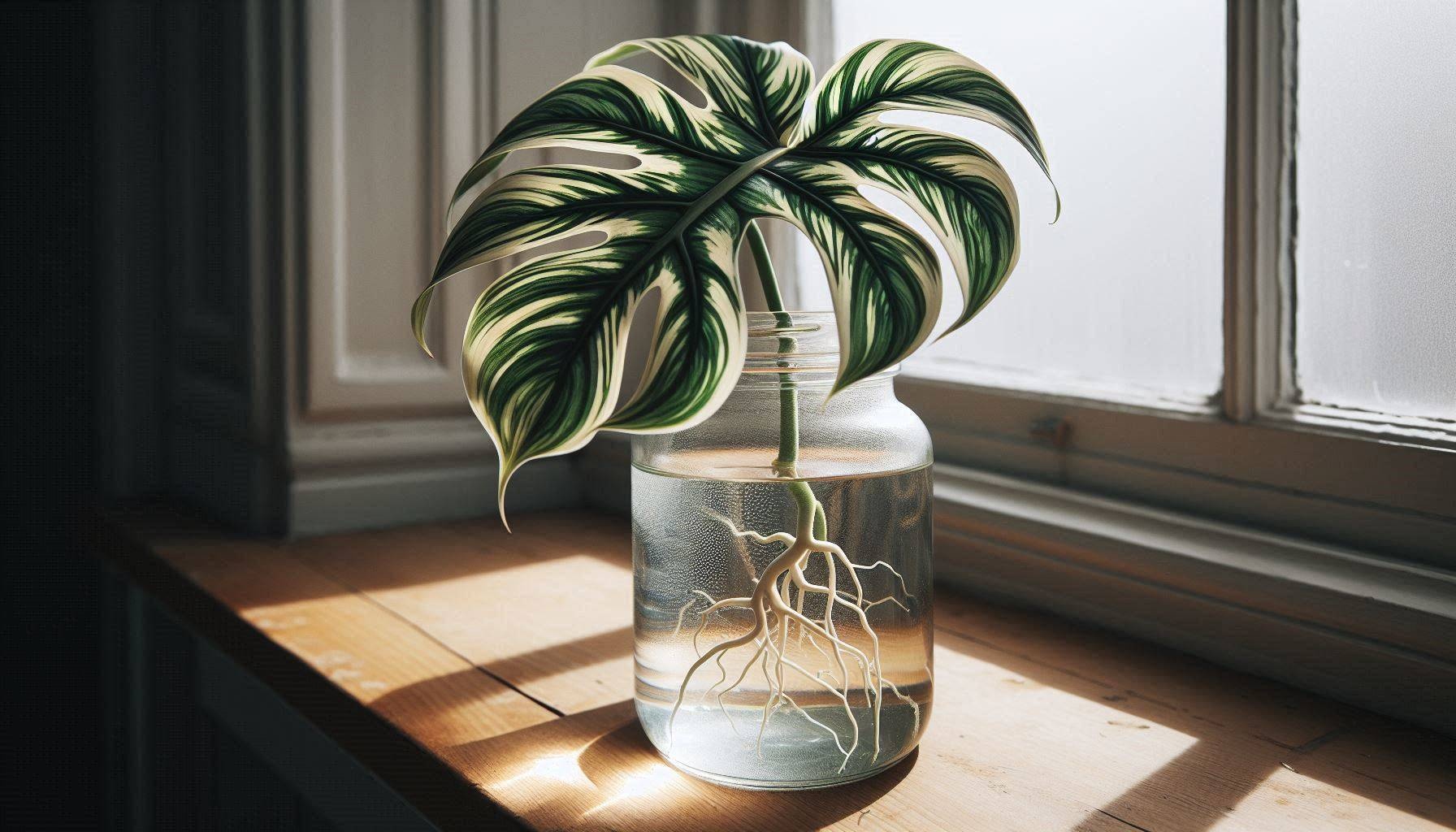
The full guide covers viable nodes, axillary buds, cutting selection, water and sphagnum rooting, rot prevention and potting up.
For climbing aroids, the key question is whether the cutting includes stem tissue capable of producing new growth. Confirm that first, then evaluate the rooting environment rather than changing methods repeatedly.
 Root Rot