Reduced variegation is not one diagnosis. Start by checking whether the change is persistent across new growth, whether the stem or growth point also looks greener, and whether the plant has recently experienced a major care change.
Symptoms at a glance
Compare what you see
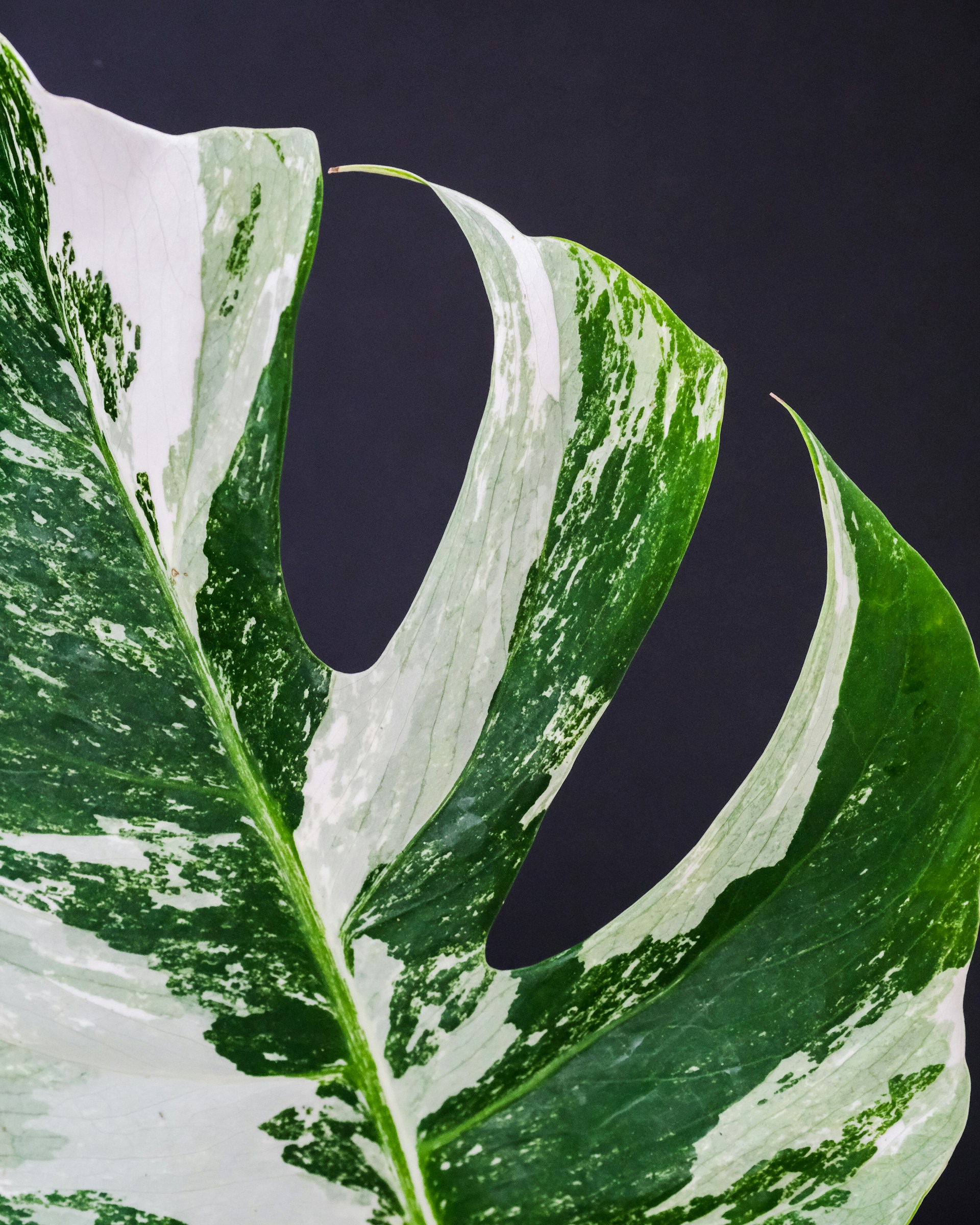
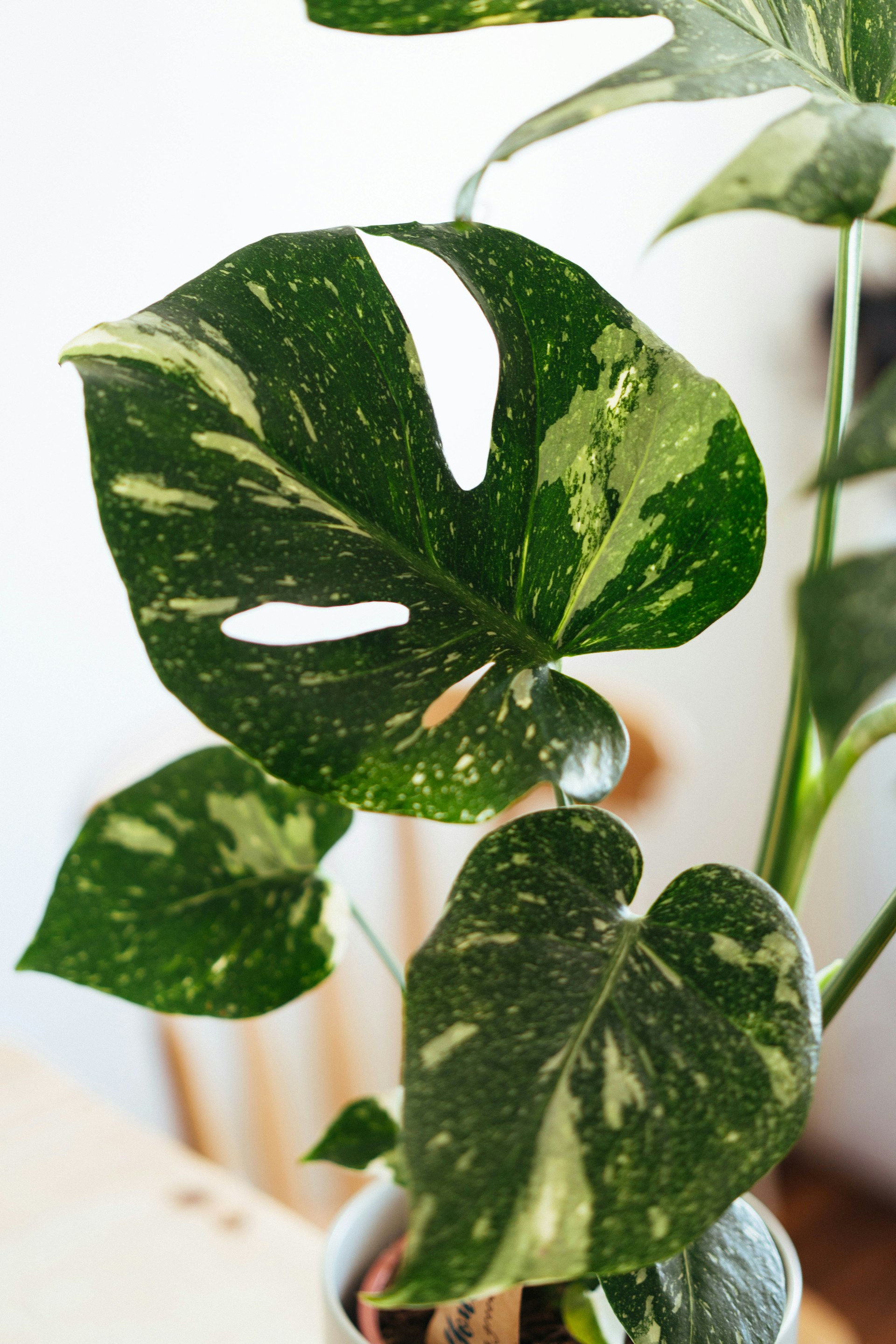
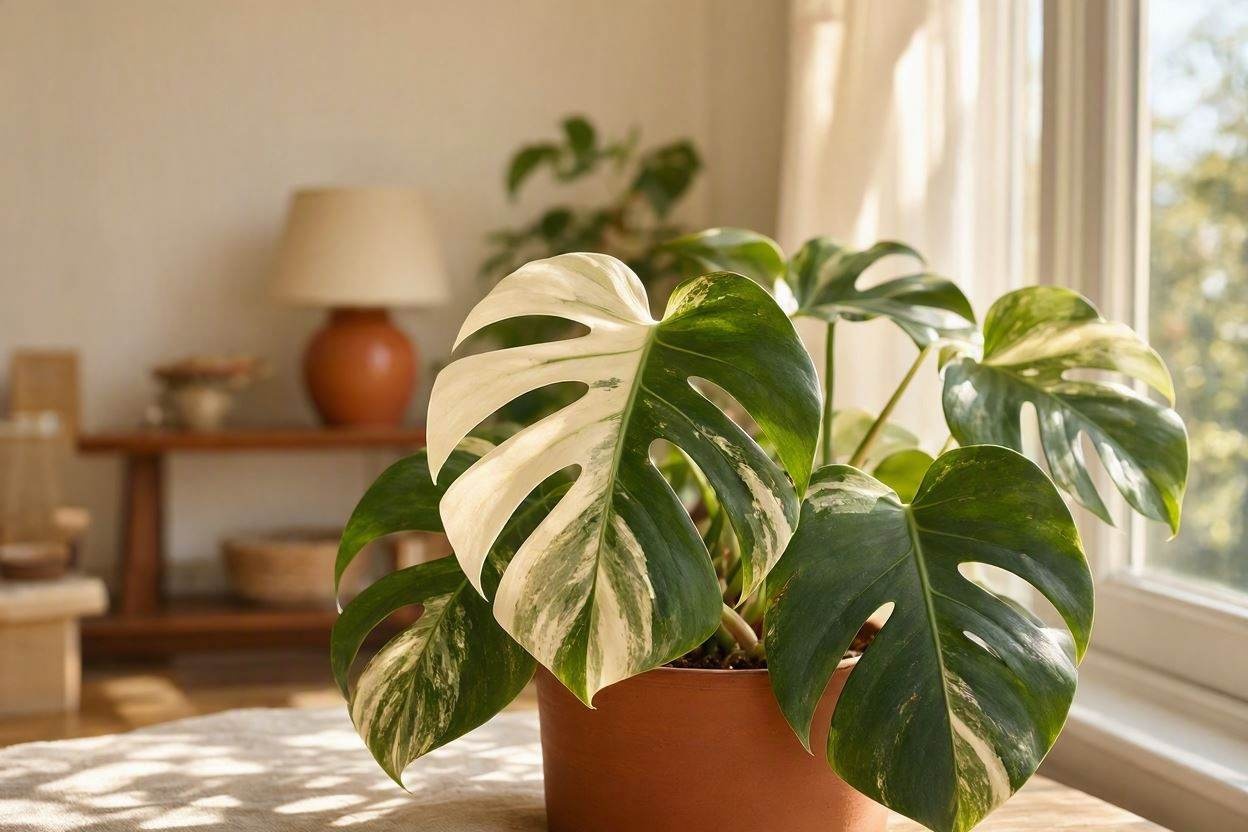
Healthy pattern variationDifferent leaves can carry different amounts of color without the plant permanently reverting.Persistent greener growthA repeated shift toward green across new growth deserves closer inspection of the stem and growth point.Read the active tissueFor chimeric plants, the stem and bud provide more useful evidence than one leaf blade.Rule out stressLight, pests and root trouble can change how new growth looks without being the same process as genetic reversion.
How to confirm
Look for these clues
Compare the newest two or three leaves instead of a single leaf.
Inspect the stem and growth point where future leaves are forming.
Check whether the plant is also stretching, shrinking leaf size or showing other light-related signs.
Note recent repotting, shipping, root trouble or other stress.
Possible causes
Do not assume one cause
Genetic or chimeric reversionThe active growth point is producing progressively greener growth and the stem pattern supports that change.
Normal pattern variationVariegated plants can produce leaves with different amounts or arrangements of color without a permanent loss.
Light or general stressChanges in growing conditions can appear alongside weaker or different-looking new growth, so diagnose the whole plant.
What to do now
Work through the fix in order
1Compare recent growth
Look for a repeated pattern across two or three new leaves instead of reacting to one.
2Inspect the growth point
Use stem and node pattern as evidence when a climbing aroid is becoming progressively greener.
3Check measured light
If the plant is also stretching or shrinking, evaluate usable light at leaf height.
4Follow the confirmed cause
Use the specific reversion, root, pest or light guide instead of changing everything at once.
Common mistakes
What makes the problem worse
Calling one greener leaf reversion
Normal pattern variation can produce a very different-looking individual leaf.
Treat the pattern change as evidence, not the diagnosis
A greener leaf is a clue. The next step is to compare the stem, active growth point, recent leaves and growing conditions so you can tell whether the pattern is actually changing or simply varying.
 Light Problems