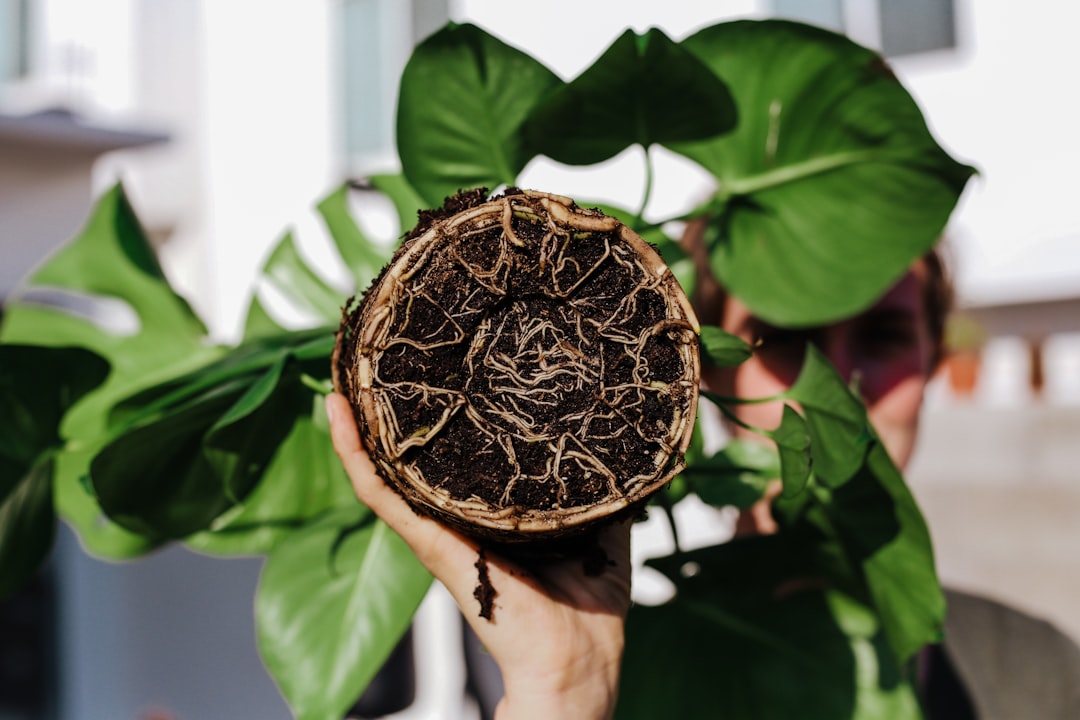
 Root Rot
Light is only one variable
Use growth shape, leaf condition and recent changes together. If the plant has adequate light but continues to decline, move to root and pest checks instead of assuming it simply needs a brighter window.
Diagnose rare aroid light problems from stretched growth, small leaves, bleaching, crisp patches and recent light changes before moving the plant.
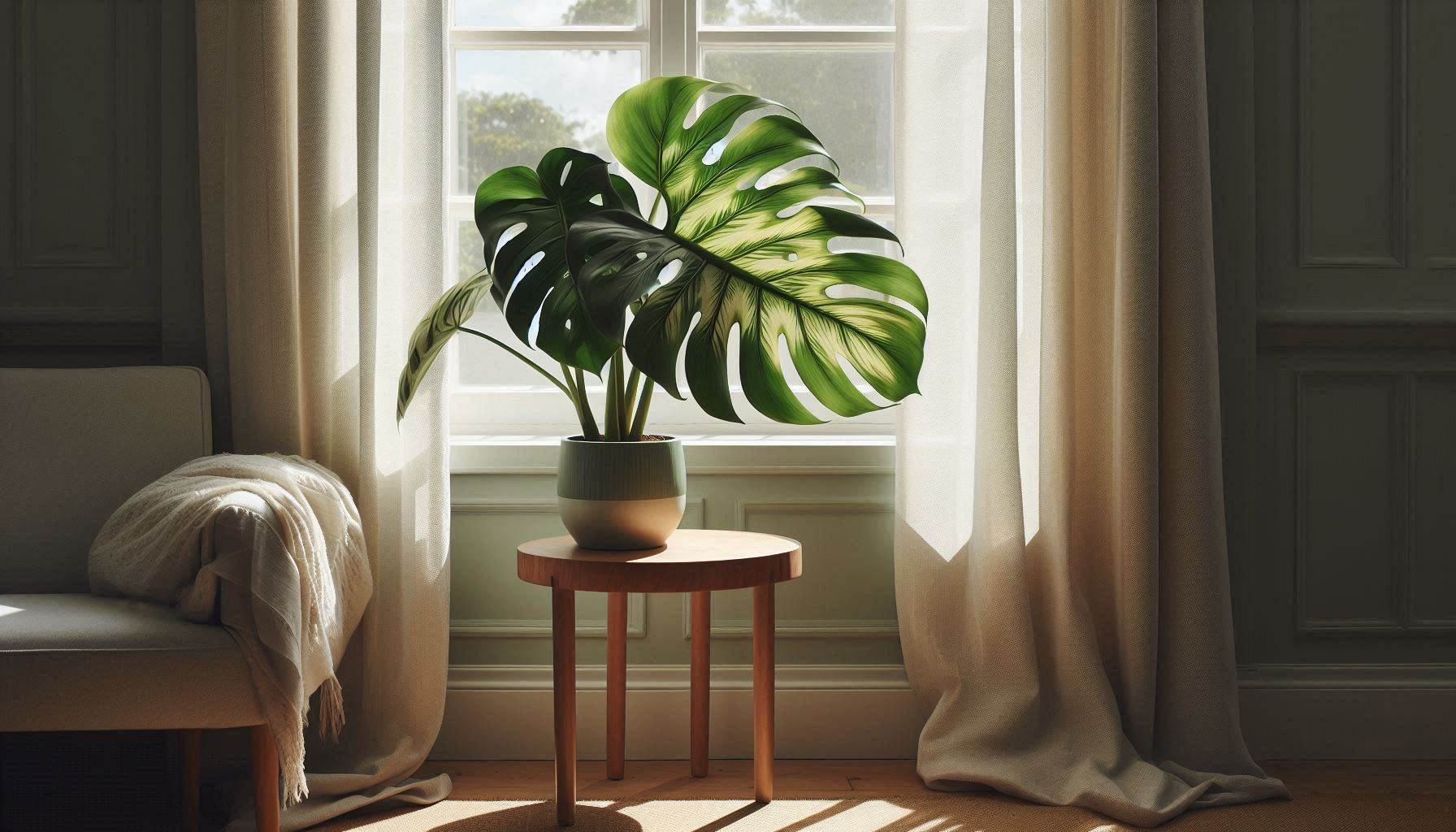
Light problems can point in opposite directions. Long internodes, weak growth and smaller leaves can suggest too little usable light, while bleaching, hot leaf surfaces or crisp patches after a sudden move can suggest too much intensity.
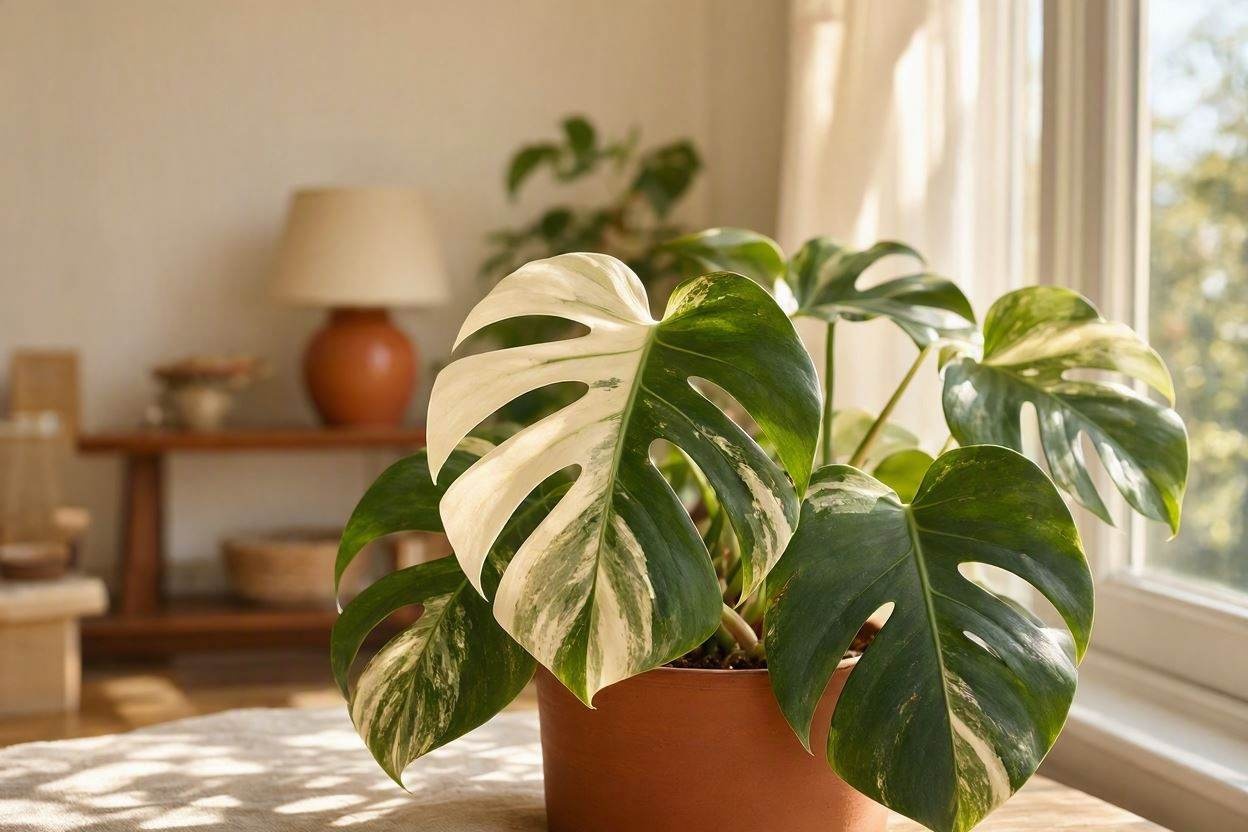
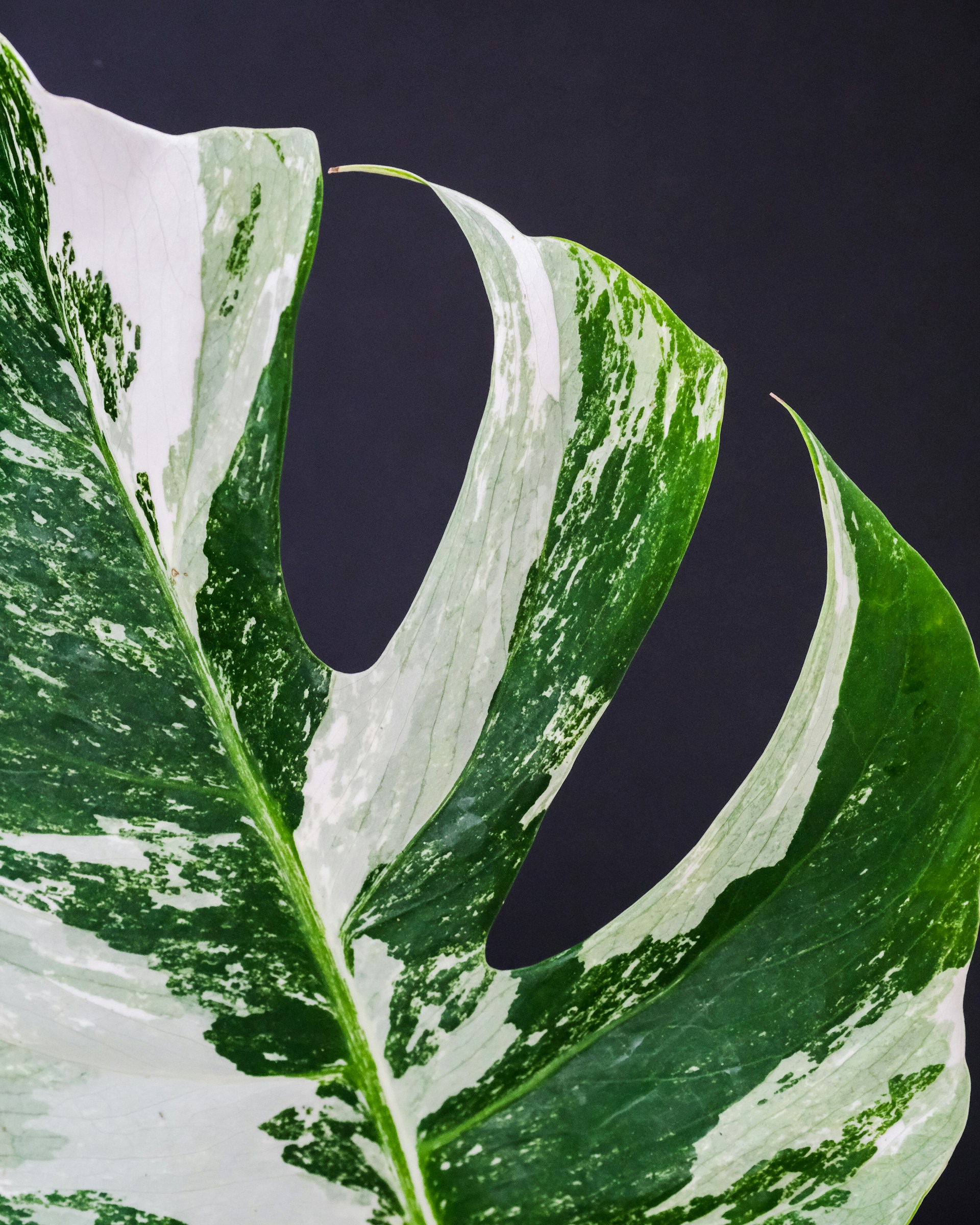 1Measure at the leaves
Use the practical light guide or a meter reading where the foliage actually sits.
2Compare the positionMove closer to useful window light before assuming equipment is required.
3Add light if neededChoose coverage and working distance for the actual plant area.
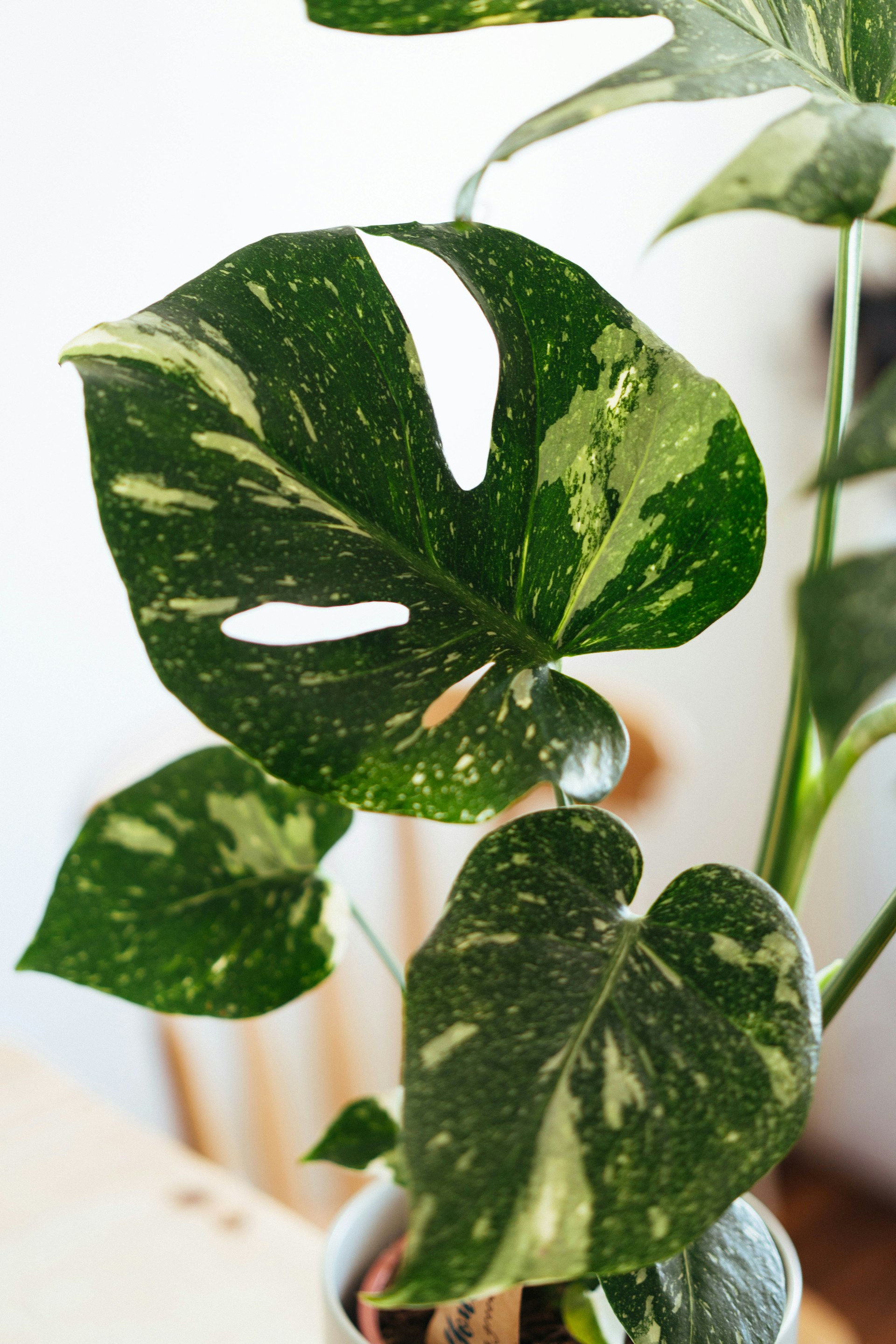 4Acclimate gradually
Increase intensity step by step and watch the next growth rather than making a large sudden change.
Human vision adapts to dim rooms and can make them feel brighter than plants experience.
The useful reading is at leaf height where the plant actually sits.
Existing indoor foliage may need gradual acclimation.
Roots, pests and acclimation can produce similar slow or weak growth.
The full guide provides practical indoor foot-candle ranges and plant-response signs for Monstera, Philodendron, Anthurium and other aroids.
Use growth shape, leaf condition and recent changes together. If the plant has adequate light but continues to decline, move to root and pest checks instead of assuming it simply needs a brighter window.