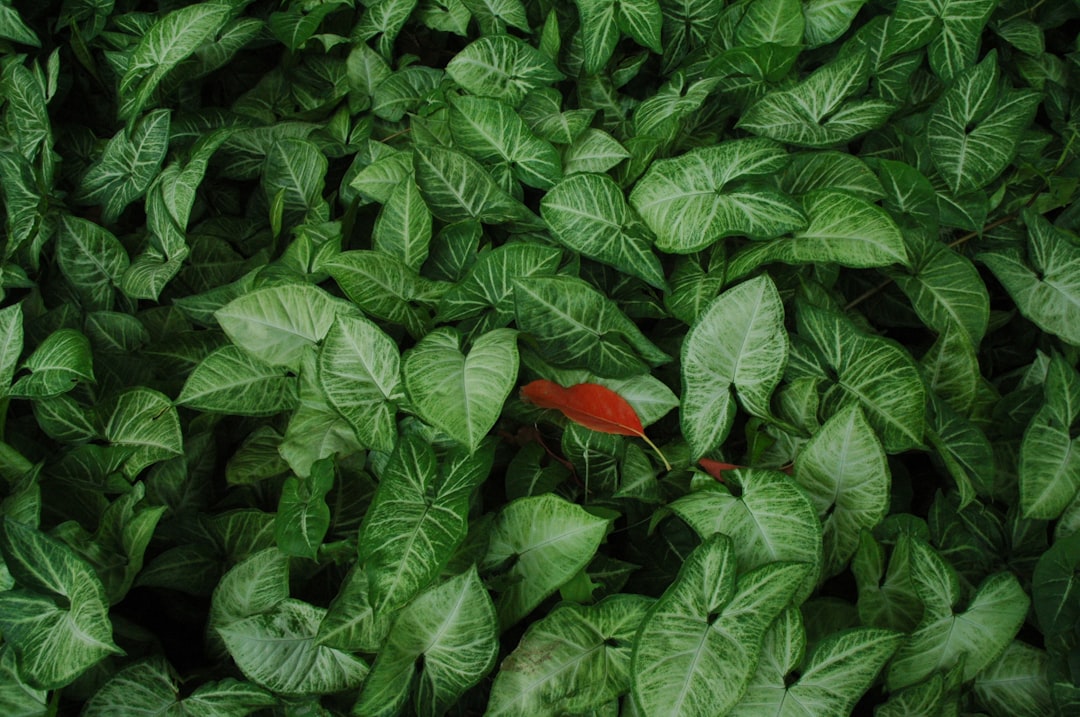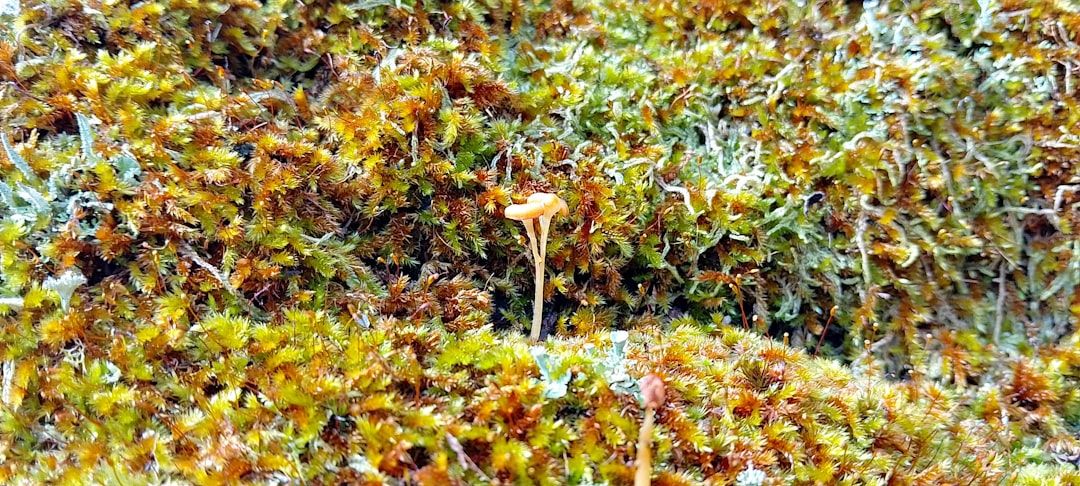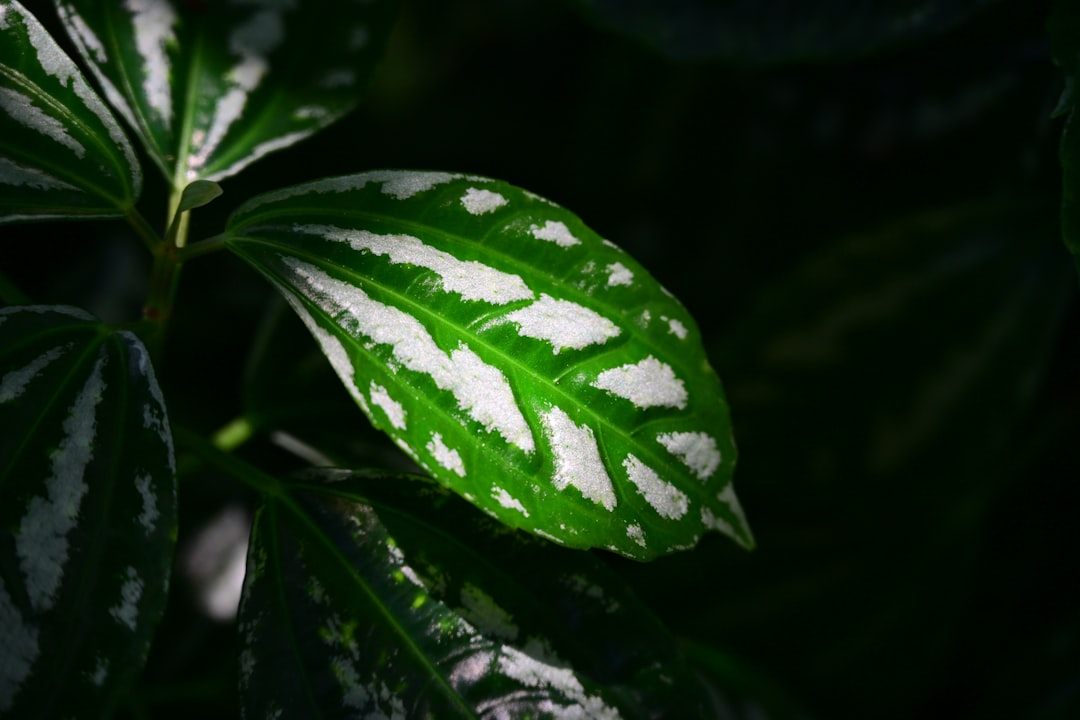
variegated leaf pattern closeup

Chimeric Variegation vs Genetic vs Viral: 3 Types Explained

Identifying the exact nature of a plant’s colorful foliage is the first step toward keeping it healthy and maintaining its unique look. Variegation—the appearance of differently colored zones on leaves—is not a single, uniform phenomenon. Instead, it is divided into distinct categories: chimeric, pattern-gene, and viral. Recognizing these differences helps growers predict whether a plant’s coloration is permanent, whether it will pass down to future generations, or whether it indicates a health issue that requires immediate isolation. ...

August 24, 2026 · 7 min · 1392 words · The Rare Plant Guide
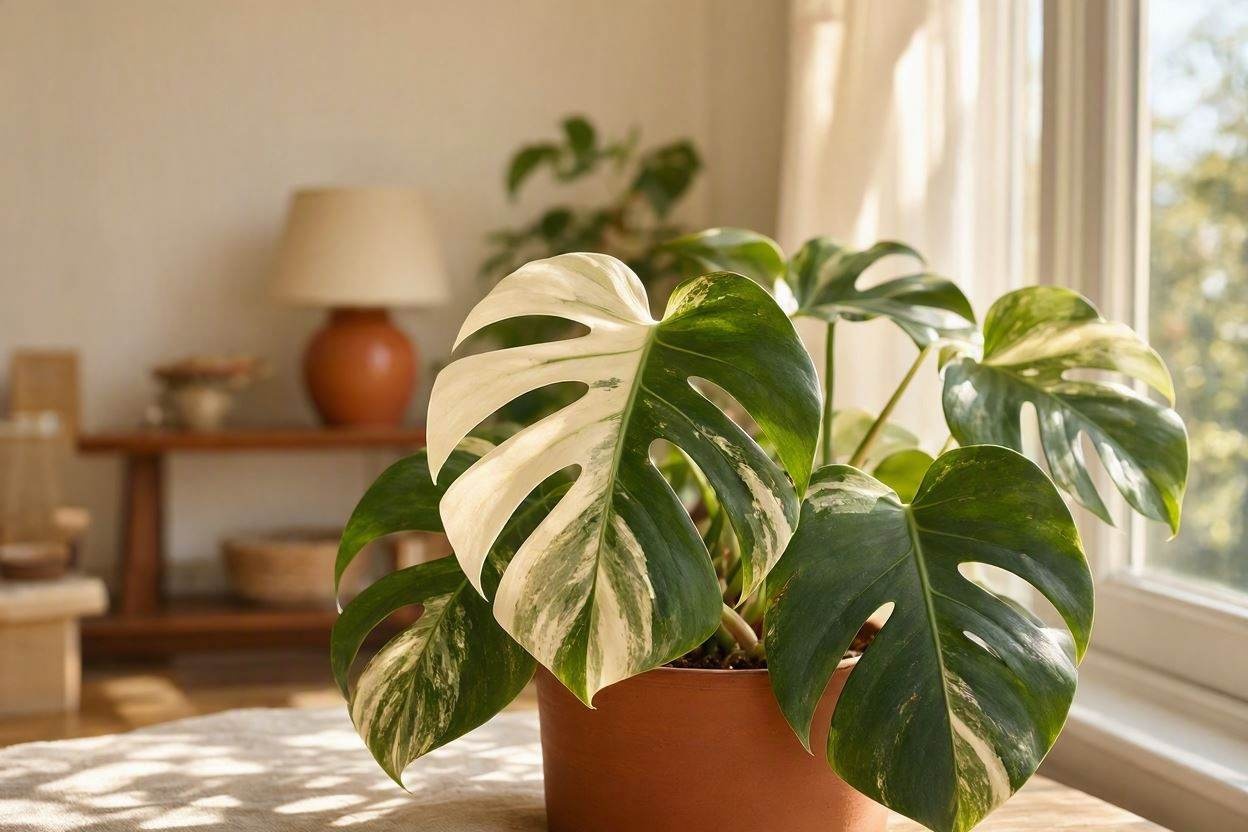
Variegated Monstera deliciosa with green and white leaves, used as an example of a rare tropical plant that may need careful acclimation after shipping.

How to Acclimate Imported Rare Plants After Shipping

A newly imported rare plant should be treated as a stressed plant first and a decorative plant second. The safest approach is to stabilize its environment, inspect it carefully, keep light gentle, avoid unnecessary repotting, and make changes gradually during the first week. Shipping stress can look dramatic, but fast intervention is not always the best intervention. First 30 Minutes: Inspect Before You Water Unpack the plant as soon as practical and remove any plastic, wet paper, moss wrapped around the leaves, or other shipping material that could trap moisture against foliage. Then inspect the plant before reaching for the watering can. ...

August 23, 2026 · 8 min · 1624 words · The Rare Plant Guide
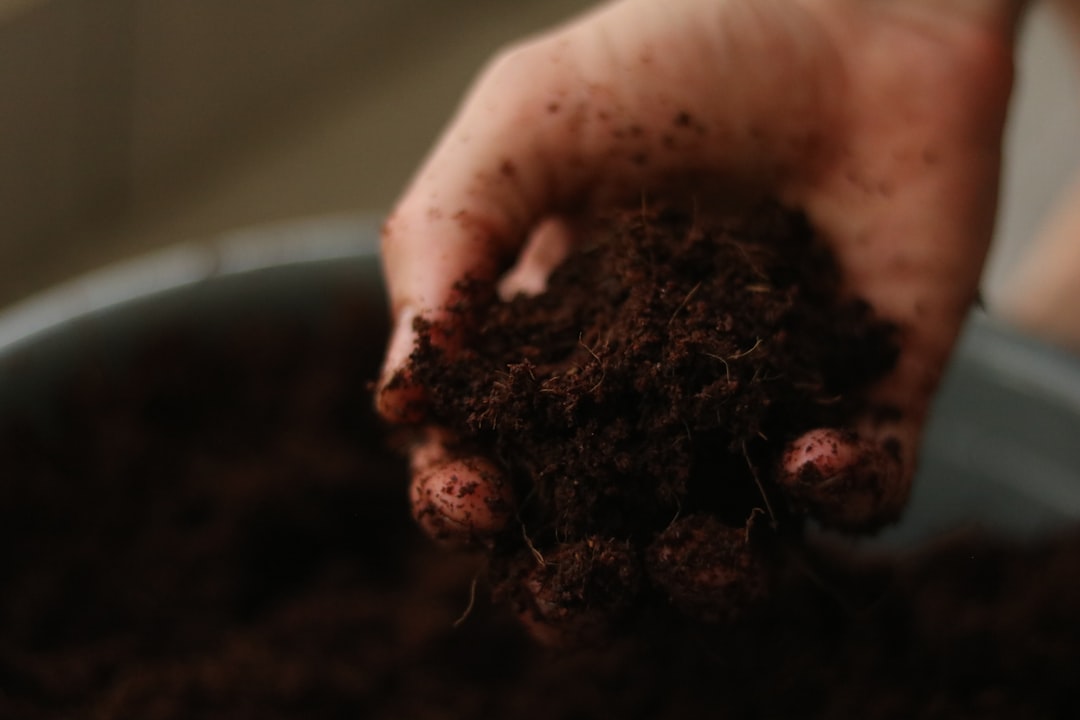
Chunky aroid soil mix with bark, perlite and organic components for Monstera, Philodendron and Anthurium

Best Aroid Soil Mix Recipes for Monstera, Philodendron & Anthurium

A good aroid soil mix should hold enough moisture for the roots to use while still draining freely and leaving plenty of air spaces. For many Monsteras and Philodendrons, a practical starting recipe is 3 parts orchid bark, 2 parts coco coir or peat moss, 2 parts perlite or pumice, 1 part horticultural charcoal, and 1 part worm castings. Different aroids need different moisture levels, so this guide compares a general chunky mix with a more moisture-retentive Anthurium and Alocasia blend. If your search is specifically for a variegated Monstera, use the dedicated guide to the best soil for variegated Monstera instead. ...

August 20, 2026 · 7 min · 1454 words · The Rare Plant Guide
syngonium plant leaves

Variegated Syngonium Turning Green? Causes & What to Do

If your variegated Syngonium is losing color, do not diagnose reversion from one green leaf. Look at the newest leaves together with the stem and active growth point. Quick answer: several solid-green leaves plus an increasingly green stem are stronger signs of reversion. Better light can support healthy growth, but it cannot recreate variegated tissue in a growth point that has become fully green. If a lower node still crosses variegated stem tissue, pruning back to that node may give the next growth point a better chance of producing variegation. ...

August 19, 2026 · 6 min · 1168 words · The Rare Plant Guide
person shopping online laptop plants

Spotting Rare Plant Scams Online: A Houseplant Buyer's Guide

Protecting a collection and a budget from rare plant scams requires vigilance, observation, and a methodical approach to verification. When buying plants online, a collector cannot physically touch the soil, inspect the roots, or verify the variegation. This makes the market attractive to fraudulent sellers. Navigating online transactions successfully depends on spotting specific inconsistencies in listings, understanding secure payment structures, and knowing how legitimate sellers operate. Here is how to evaluate sellers and listings to ensure plant marketplace safety. ...

August 18, 2026 · 7 min · 1345 words · The Rare Plant Guide
indoor plant greenhouse cabinet

Humidity Tents vs Greenhouse Cabinets for Rare Plants

Deciding how to maintain optimal rare plant humidity is a pivotal moment for any indoor gardener. To choose the right setup immediately, consider the scale and purpose of your collection: a humidity tent offers an affordable, portable, and temporary environment perfect for acclimating new imports or propagating cuttings, while a dedicated grow cabinet provides a permanent, visually striking, and highly customizable microclimate designed for long-term growth. Both systems have unique advantages and operational demands. By understanding the functional differences between these two popular options, growers can protect their investments and cultivate thriving tropical specimens. ...

August 17, 2026 · 7 min · 1349 words · The Rare Plant Guide
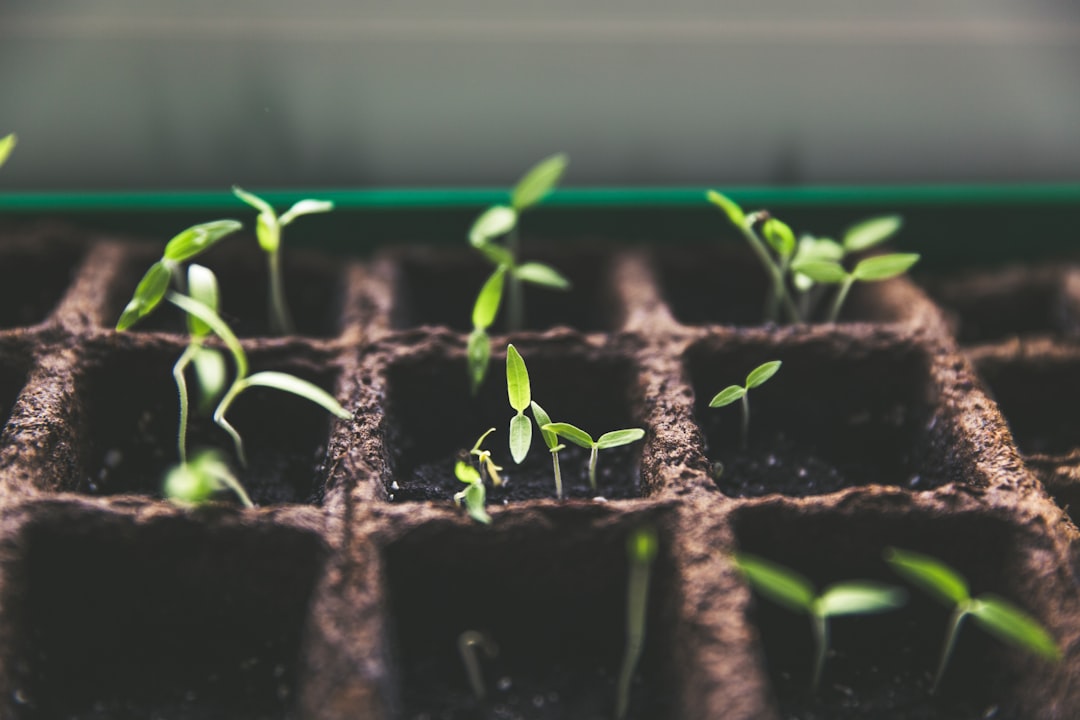
small plant seedling pot

Is It Worth Buying Tissue-Cultured Rare Plants? An Honest Guide for Hobbyists

Tissue-culture plantlets have made many rare Monsteras, Philodendrons, and Alocasias available at lower entry prices. They are also much smaller and less forgiving during the transition from a sealed laboratory container to normal household conditions. The best value depends on more than the purchase price. Equipment, time, seller quality, acclimation risk, and the wait for a mature plant all belong in the comparison. Why Acclimation Is the Real Cost A tissue-culture plantlet is not simply a miniature established plant. Its first weeks outside the vessel require stable warmth, gentle light, high but gradually declining humidity, and a medium that is moist without being waterlogged. ...

August 13, 2026 · 4 min · 814 words · The Rare Plant Guide
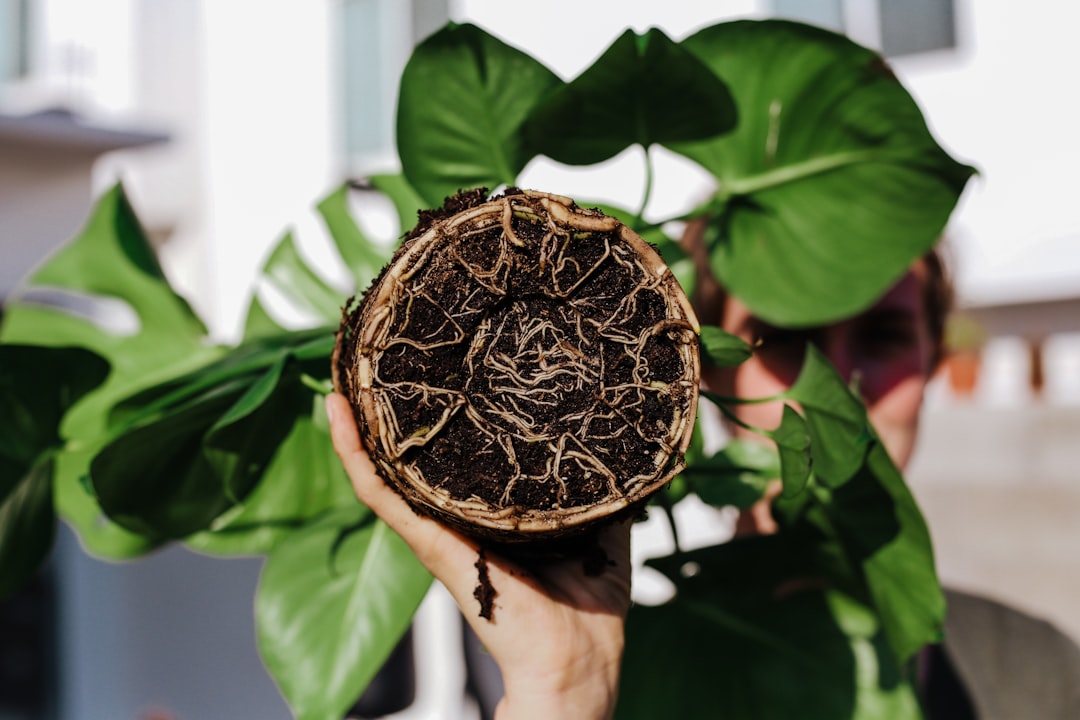
Philodendron roots being inspected for root rot

Philodendron Root Rot: How to Spot It in Time and Save the Plant

Philodendron root rot is easiest to save when you confirm it early instead of treating every yellow leaf as an overwatering problem. Quick answer: if a Philodendron is wilting while the potting mix is still wet, unpot it and inspect the roots. Firm roots are healthy; soft, dark, slimy, hollow or foul-smelling roots strongly indicate rot. Remove damaged roots, discard the old substrate and repot the remaining healthy tissue in a clean, airy mix. ...

August 10, 2026 · 6 min · 1111 words · The Rare Plant Guide
sphagnum moss plant propagation

Sphagnum Moss for Rare Plant Propagation: Pros, Rot Risks & Transfer

Long-fiber sphagnum moss can work very well for Monstera, Philodendron and other rare-plant cuttings, but only when the node gets moisture and oxygen at the same time. Quick answer: use sphagnum loose and evenly damp—not dripping wet or tightly packed. Saturated, airless moss is the main rot risk. Transfer a cutting after it has several healthy roots, preferably with some secondary branching, and keep the new potting mix consistently but not excessively moist during acclimation. ...

August 6, 2026 · 4 min · 844 words · The Rare Plant Guide
Indoor light requirements for Monstera, Philodendron and other rare aroids

How Much Light Do Rare Aroids Need? 100–800 FC Chart

How much light does a rare aroid actually need? The phrase “bright, indirect light” is useful as a warning against harsh sun, but it is too vague to tell you where to place a Monstera, Philodendron, Anthurium or Alocasia. Quick answer: start with moderate, diffused light, observe the newest growth, and increase exposure gradually. Many established aroids perform well around 250-500 foot-candles (FC), while some acclimated variegated plants can use brighter diffused conditions. Treat any numerical range as a starting point rather than a universal rule. ...

August 4, 2026 · 6 min · 1156 words · The Rare Plant Guide