Houseplant leaf being inspected for pests

Why Do Rare Houseplants Cost Hundreds of Dollars?

The three-digit price tags on many popular houseplants often cause immediate sticker shock. The simple reason some specimens cost hundreds of dollars comes down to a combination of high demand, limited supply, slow growth cycles, and the immense labor required to produce stable, healthy plants. When a particular plant cannot be easily mass-produced in a commercial greenhouse, its market value naturally increases. Understanding the factors that drive these premium prices can help collectors make informed purchasing decisions. Rather than reflecting arbitrary markups, the cost of these plants is deeply rooted in botanical challenges, transport risks, and basic economic principles. ...
September 14, 2026 · 7 min · 1286 words · The Rare Plant Guide
Monstera node and axillary bud comparison

Building a Rare Plant Collection on a Tight Budget

Building a rare plant collection on a tight budget is entirely achievable by focusing on starter plants, active propagation, and local community networks. By adjusting expectations regarding specimen size and exercising patience, any enthusiast can cultivate highly sought-after varieties without overspending. The key lies in strategic sourcing, understanding plant growth habits, and participating in local horticultural networks. The desire to cultivate a stunning indoor jungle does not require a massive financial investment. With a methodical approach to budget plant collecting, the process of sourcing, growing, and trading specimen plants becomes an engaging and highly rewarding aspect of the hobby. ...

September 10, 2026 · 6 min · 1174 words · The Rare Plant Guide
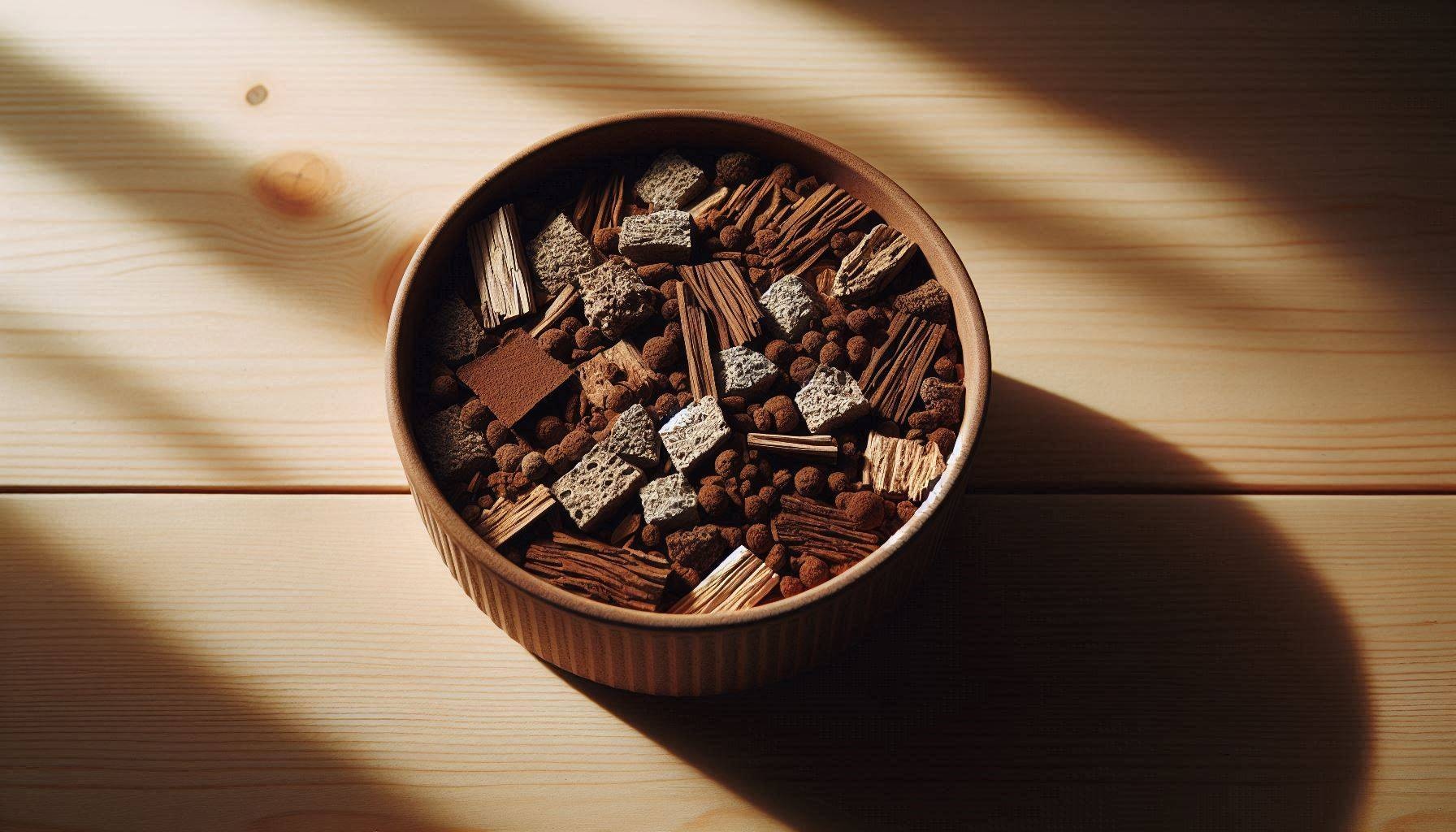
Chunky aroid soil mix for rare houseplants

Anthurium Care for Beginners: How to Grow Rare Species

Growing rare velvet-leaf and ruffled anthuriums does not require a botany degree or a professional greenhouse. Success with coveted species like the Queen Anthurium (Anthurium warocqueanum) and the King Anthurium (Anthurium veitchii) relies on replicating their natural tropical canopy environments: high humidity, consistent airflow, filtered light, and a highly porous, chunky substrate. By mastering these four structural pillars, even a beginner can prevent leaf loss and cultivate spectacular foliage. This comprehensive guide details the exact steps needed to establish a successful routine. ...

September 7, 2026 · 8 min · 1560 words · The Rare Plant Guide
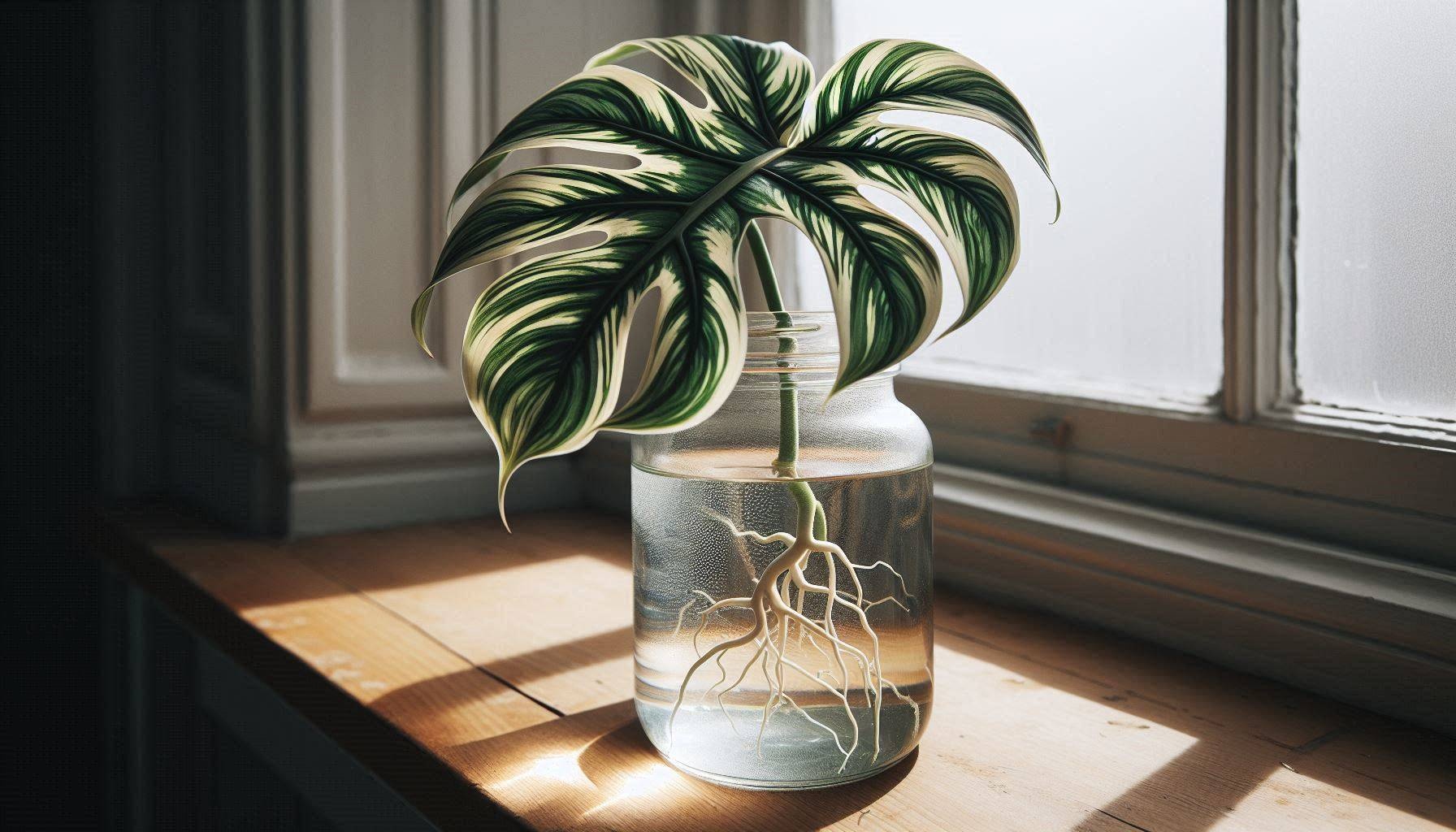
Rare plant cutting developing roots during propagation

Why Are Rare Houseplants So Expensive? Pricing Explained

Understanding what determines rare plant prices is essential for anyone interested in navigating the indoor gardening market. The cost of a highly coveted botanical specimen is not arbitrary; it is shaped by a complex interplay of genetic stability, propagation difficulty, growth speed, market demand, and the logistical challenges of transport. By analyzing these factors, enthusiasts can make informed purchasing decisions, protect their investments, and avoid overpaying for specimens that may soon become widely available on the mass market. ...

September 3, 2026 · 7 min · 1360 words · The Rare Plant Guide
Monstera node and axillary bud comparison

Where to Cut a Reverting Variegated Monstera

If you have already confirmed Monstera reversion, the next question is not “which green leaf should I remove?” It is which lower growth point should become the new leader. Quick answer: trace the vine backward from the newest solid-green growth. Look for a lower node where visible cream or white variegation still crosses the stem near the axillary bud. If that node is healthy, make the corrective cut above it, leaving the chosen node and bud on the mother plant. ...

September 1, 2026 · 7 min · 1444 words · The Rare Plant Guide
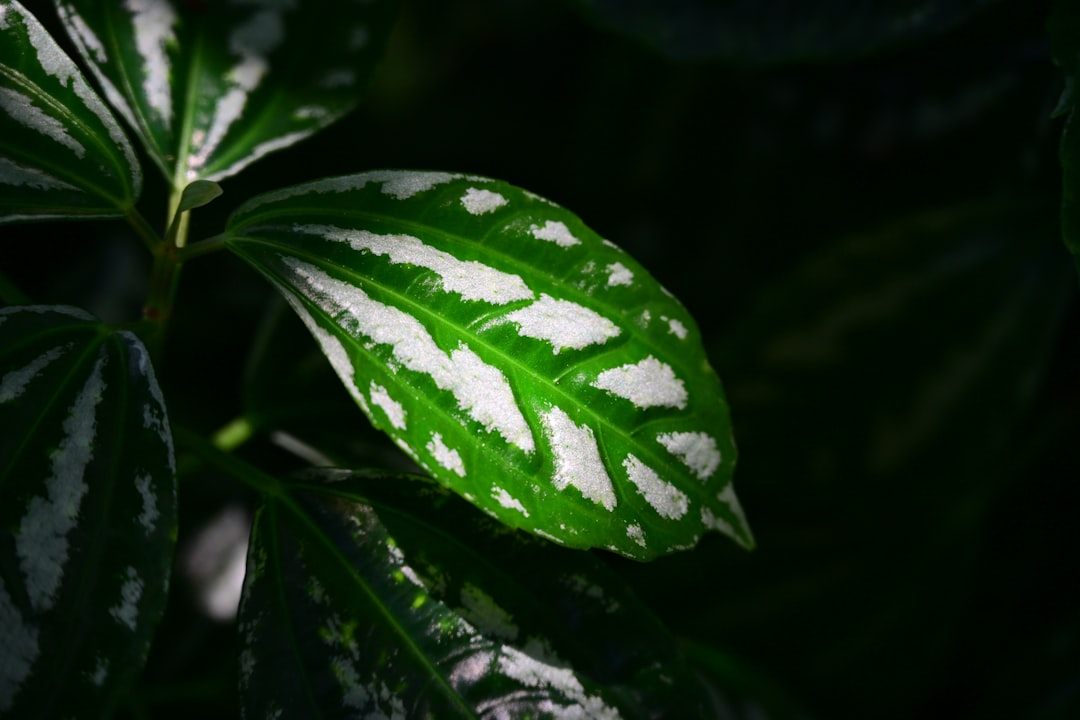
Houseplant leaf being inspected for pests

Treating Thrips and Mites on Variegated Plants Safely

Protecting rare, variegated houseplants from pests requires a delicate balance of swift eradication and tissue preservation. Variegated foliage—which contains white, cream, or yellow sectors—lacks the protective chlorophyll and robust cell structure found in solid green leaves. Consequently, standard, aggressive chemical treatments frequently cause irreversible cosmetic damage, chemical burns, or rapid browning of those highly prized variegated patches. The most effective solution lies in a conservative, multi-phase approach: physically removing the pests, applying mild, non-oil-based treatments during low-light hours, or utilizing biological controls that leave the delicate foliage completely unharmed. ...

August 31, 2026 · 7 min · 1344 words · The Rare Plant Guide
Chunky aroid soil mix for rare houseplants

How Often to Water Variegated Monstera: Signs, Not a Schedule

If you are asking how often to water a variegated Monstera, the safest answer is not “every seven days.” Watering frequency changes with the pot, soil mix, light, temperature, root mass and season. Quick answer: water when the upper part of the mix has dried and the pot feels clearly lighter, then water thoroughly until excess drains. In a bright, warm room this may happen much faster than in a cool, low-light room. ...

August 28, 2026 · 7 min · 1390 words · The Rare Plant Guide
Chunky aroid soil mix for rare houseplants

When to Repot Variegated Monstera: Signs, Pot Size & Aftercare

Knowing when to repot a variegated Monstera is more important than repotting on a fixed schedule. A plant that is growing well in an airy mix does not benefit from having its roots disturbed simply because a year has passed. Quick answer: repot when the roots have clearly outgrown the container, the substrate has broken down and drainage has slowed, the pot is mostly roots and dries extremely fast, or you need access to damaged roots. Move up only modestly in pot size and use a chunky, well-aerated mix. ...

August 28, 2026 · 7 min · 1449 words · The Rare Plant Guide
Chunky aroid soil mix for rare houseplants

Common Mistakes When Repotting Rare Aroids: How to Protect Your Plants

Repotting rare aroids is a high-stakes task where a single misstep can lead to severe root damage or prolonged transplant shock. When handling highly valued species like variegated Monsteras, delicate Philodendrons, or velvety Anthuriums, the margins for error are slim. The key to a seamless transition is preparation and gentle execution. Minimizing disturbance to the root system, using a highly porous substrate, and maintaining stable post-repotting conditions are crucial. By avoiding common pitfalls, growers can ensure their rare specimens survive the move and thrive in their new containers. ...

August 27, 2026 · 6 min · 1224 words · The Rare Plant Guide
Monstera node and axillary bud comparison

Propagate Thai Constellation Monstera: Step-by-Step Guide

Successfully propagating a thai constellation monstera requires isolating a healthy stem node, utilizing sterile tools, and providing a highly oxygenated, warm rooting medium. Unlike standard green monsteras, this variegated cultivar features lower chlorophyll levels, making its tissue more susceptible to decay. By focusing on precise cut placement, sanitizing all equipment, and maintaining high humidity, growers can consistently initiate strong root development on new propagation cuttings. Understanding the biological needs of this rare plant is the key to preventing the rot that frequently claims delicate cuttings. With patience and the proper technique, a single node can be cultivated into a robust, independent plant. ...

August 27, 2026 · 6 min · 1266 words · The Rare Plant Guide